Illustration
Qualification(s) available: MA
Develop a distinctive illustration practice through creative exploration, research, emerging technologies, and industry engagement.
- Entry requirements
- 2:1 Full entry requirements
- Start date
- September 2027
- Full-time
- 1 year
- Location
- Loughborough
- Fees for 2027-28 (per academic year)
- UK: To be confirmed International: To be confirmed Fees and funding
- Scholarships
- Scholarships available for this course
About this course
The MA Illustration at Loughborough University is a future-focused postgraduate programme designed to develop illustrators as innovative visual thinkers, critical storytellers, and multidisciplinary creative problem solvers. Rooted in the power of the image to communicate complex ideas, influence audiences, and inspire change, this course invites students to advance their illustrative practice across conventional, emerging, experimental, and future-facing contexts.
Bringing together world-leading expertise in visual communication, digital creativity, narrative and design, the programme supports students in developing an authentic and impactful illustrative voice. The course acknowledges that illustrators today work across an ever-expanding set of platforms, media and contexts, including the informed and responsible use of generative artificial intelligence. Students will therefore be encouraged to adopt a personalised and investigative, experimental approach that integrates craft, conceptual thinking, digital innovation, and applied contextual knowledge.
Through a personalised route of study, combining explorative making, speculative visual inquiry, real-world design challenges, and professional collaboration, students will graduate with a research-informed and industry-aligned practice enabling them to navigate the creative landscape with confidence, adaptability, and purpose.
Course strengths
Why you should choose us
Why you should study this degree
- Develop a unique creative voice: Discover what makes your work distinctive through advanced image-making, storytelling and visual communication skills.
- Explore the future of illustration: Reframe your creative practice through emerging technologies, immersive experiences, interactive media and the responsible use of AI.
- Learn through hands-on experience: Benefit from an embedded studio practice with like-minded students, technical workshops, field trips, and professional engagement activities, guided by award-winning tutors with decades of industry experience.
- Improve your practice through investigation, making, and experimentation: Utilise critical thinking and sophisticated research skills to generate innovative visual outcomes.
- Benefit from a personalised learning journey: Tailor projects to your interests, ambitions and career aspirations.
- Tackle real-world challenges: Use illustration as a problem-solving tool, responding to social, cultural and environmental issues that matter.
- Collaborate with industry, communities and external partners: Grow your network through direct exposure to guest lectures, valuable professional experience, and industry knowledge that supports your future career.
- Build confidence as a creative professional: Develop the entrepreneurial, communication and project management skills needed to thrive in a rapidly changing creative landscape.
- Create an ambitious major project: Shape your creative vision through a rigorous research and development process; showcase your talent to potential employers, clients or doctoral study providers.
- Graduate industry-ready for diverse career opportunities: From editorial illustration, publishing and animation, art direction and character design, to motion, games, digital media, creative technologies, research and academia, our MA in Illustration will lay the foundations for your creative future.
Course structure
Shape your illustrative practice through a series of research-led and studio-based modules exploring visual language, cultural influence, narrative storytelling, speculative design and professional collaboration.
Over the programme, you'll define your identity as a creative practitioner, tailoring projects to your own interests, ambitions and career aspirations. Through exposure with professional partnerships, you’ll identify specific areas of employment, whilst experimenting with emerging technologies and creative methodologies, culminating in a major self-directed project that showcases your distinctive creative identity and professional ambitions.
Compulsory modules
Visual Language and Process (30 credits)
The aims of this module are to:
- Develop the foundational principles and emerging possibilities of a personalised visual language as a communicative system.
- Produce a self-directed body of illustrative material that evidences an advanced understanding of process as a method of enquiry.
- Critically evaluate how visual grammar, mark-making, narrative structure, symbolism, and embodied processes contribute to the construction of purposeful visual meaning.
- Synthesise contextual research, reflective analysis, and consideration of audience in the refinement of a personal visual language.
Authenticity and Influence (15 credits)
The aims of this module are to:
- Examine the historical and contemporary roles of illustration as a form of cultural commentary, influence, and visual persuasion.
- Analyse how illustrated images function within political movements, social reform, identity formation, and global communication, drawing on diverse case studies such as satire, propaganda, memorialisation, activism, and environmentalism.
- Articulate a personal critical position that situates an authentic illustrative voice within wider cultural, ideological, and ethical contexts.
- Conceptualise and apply theoretically informed approaches to a personalised illustrative practice, as a vehicle for influence and meaningful cultural contribution.
Understanding People, Behaviours and Context (15 credits)
The aim of this module is to introduce postgraduate design students to the principles and practice of human-centered research to identify opportunities for the design of product and service experiences.
Compulsory modules
Speculative Design and Storytelling (30 credits)
The aims of this module are to:
- Critically investigate and apply principles of speculative design as methods for imagining, challenging, and articulating alternative social and environmental futures.
- Construct narrative image-based works - including sequential, interactive, and hybrid visual forms - that communicate complex ideas through research-informed storytelling.
- Evolve Illustrative design for emerging technologies - including immersive environments and motion-based image making - as tools for creating interactive, experiential, or future-oriented visual communication.
- Evaluate the ethical, cultural, political, and societal implications of design futures.
Professionalism and Partnerships (30 credits)
The aims of this module are to:
- Critically design and justify a research-informed, practice-led enquiry by situating an emerging creative practice within relevant societal, cultural, or organisational contexts, and by identifying meaningful issues, gaps, and opportunities for further exploration.
- Identify, engage, and collaborate with stakeholders, partners, and communities through considered communication, negotiation, and co-creation methods, strengthening professionalism and interdisciplinary working aligned with contemporary creative industries.
- Develop advanced ethical awareness, including completion of ethics training, preparation of ethical documentation, and the application of responsible methods for consent, participation, safeguarding, and data management in creative and applied research settings.
- Construct a coherent methodological framework that synthesises primary and secondary research, with creative experimentation, culminating in a rigorous, feasible, and academically grounded Major Project Proposal.
Compulsory modules
Major Project: Theory and Practice (60 credits)
The aims of this module are to:
- Design, articulate, and pursue an extended, practice-based research inquiry that integrates theoretical positioning, methodological rigour, and critical contextual awareness within a chosen field of visual communication.
- Synthesise advanced research and production processes - including iterative experimentation, prototyping, testing, and reflection - towards the development of an innovative and conceptually coherent major project.
- Facilitate a sophisticated realisation of creative visual material, narrative, or interactive outcomes through the integration of appropriate analogue, digital, or hybrid technical processes.
- Critically position and evaluate a design outcome within professional and research-based debates, culminating in a resolved body of work that evidences readiness for professional progression or further academic study.
The following information is intended as an example only, featuring module details for the current year of study. Modules are reviewed on an annual basis and may be subject to future changes - revised details will be published through Programme Specifications ahead of each academic year. Please also see Terms and Conditions of Study for more information.
How you'll be assessed
We’ll give you constructive feedback on your work throughout the programme to help you develop your potential. You’ll be assessed through coursework-based outcomes including portfolios, presentations, written reports, exhibitions and a dissertation. There are no exams. You'll demonstrate your development through practical projects, critical reflection, stakeholder engagement activities and a final major project showcasing advanced creative and research skills.
How you'll study
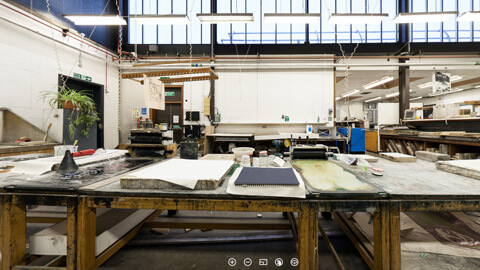
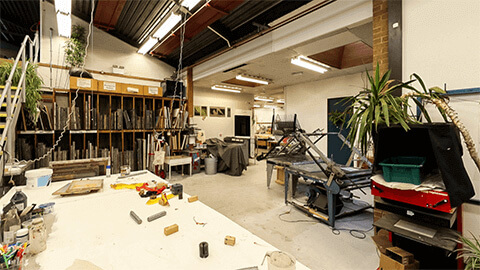
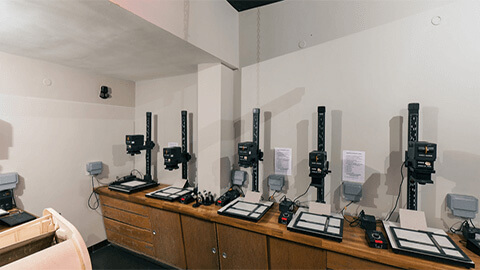
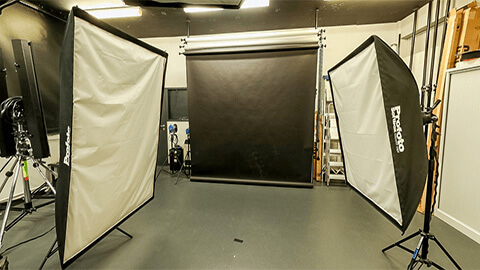
The programme is structured around a careful blend of lectures, seminars, workshops and practical sessions. This includes a guest lecture series and various professional involvement from external partners. The Illustration MA programme is centred within a studio culture which promotes independent work and peer encouragement. Resources and theoretical material are provided online ahead of the taught sessions. The programme is supported by a range of teaching and learning methods, including:
- Lectures
- Seminars
- Tutorials
- Field trips
- Independent study
- Group work
- Supervision
- Workshops
- Practical sessions
- Flexible learning
- Access to online material
Our academics


Your development
Throughout the MA Illustration, you'll develop advanced skills in pictorial communication, narrative design, critical thinking, research, professional practice and creative problem-solving.
You’ll learn to position your work within cultural, social and commercial contexts, gaining the confidence to collaborate with stakeholders, communities and industry partners, strengthening your communication, project management and interdisciplinary working abilities. The programme includes ethics training and professional research practices, preparing you to work responsibly within creative industries and research environments.
Beyond the studio, you'll benefit from field trips, technical workshops, exhibitions, presentations, collaborative projects and opportunities to engage with external organisations and partners, helping you to gain valuable real-world connections and identify future career opportunities. The course culminates in a major project and showcase, enabling you to present a professional portfolio and establish connections that support progression into the creative industries or further academic study.
Each student will be allocated a personal tutor who offers mentorship and support throughout the programme. Loughborough University also offers an extensive range of societies for students to explore their social, sporting or creative aspirations.
Future career
The MA Illustration programme is designed to prepare graduates for success in a rapidly evolving global creative economy, where visual storytelling, digital innovation and creative problem-solving are increasingly valued across a wide range of industries.
Today's illustrators work far beyond the boundaries of traditional publishing. Organisations across the creative, cultural and commercial sectors are seeking professionals who can communicate complex ideas through compelling visual narratives, create engaging digital experiences, and contribute to multidisciplinary teams. The growing importance of immersive technologies, motion design, interactive media, and AI-assisted creative workflows means that illustrators are increasingly valued as strategic visual thinkers as well as visual communicators.
Graduates will be equipped for careers including:
- Narrative and Publishing Illustrator
- Children's Book Illustrator
- Graphic Novelist and Visual Storyteller
- Editorial Illustrator
- Concept Artist
- Character Designer
- Environment Designer
- Games Artist
- Motion Graphics and Animation Creative
- Immersive Media Designer
- Interactive Storytelling Specialist
- Brand and Visual Identity Designer
- Design Researcher
- Creative Strategist
- Art Director
- Freelance Creative Practitioner
- Researcher, Academic or PhD Candidate
Entry requirements
Our entry requirements are listed using standard UK undergraduate degree classifications i.e. first-class honours, upper second-class honours and lower second-class honours. To learn the equivalent for your country, please choose it from the drop-down below.
Entry requirements for United Kingdom
A 2:1 honours degree (or equivalent international qualification) in an Art and Design or closely related subject.
Afghanistan
| First-class honours (70%) | Upper second-class honours (60%) | Lower second-class honours (50%) | |
|---|---|---|---|
| Masters | 95% | 85% | 70% |
Albania
| First-class honours (70%) | Upper second-class honours (60%) | Lower second-class honours (50%) | |
|---|---|---|---|
| Diplomë e Nivelit të Pare (First Level (University) Diploma (from 2010) | 9.5 | 8.5 | 8 |
Algeria
| First-class honours (70%) | Upper second-class honours (60%) | Lower second-class honours (50%) | |
|---|---|---|---|
| Licence (4 year) / Diplome d'Inginieur d'Etat / Diplôme d'Etudes Supérieures | 16 | 14 | 12 |
Argentina
| First-class honours (70%) | Upper second-class honours (60%) | Lower second-class honours (50%) | |
|---|---|---|---|
| Licenciatura/ Licenciado (4 year) | 8.5 | 7.5 | 6.0 |
Armenia
| First-class honours (70%) | Upper second-class honours (60%) | Lower second-class honours (50%) | |
|---|---|---|---|
| Bakalavri Kochum required but typically a Magistrosi Kochum | 90% or 3.9 | 80% or 3.5 | 70% or 3.0 |
Australia
| First-class honours (70%) | Upper second-class honours (60%) | Lower second-class honours (50%) | |
|---|---|---|---|
| Honours degree (AQF level 8) | First Class, 80% | Upper Second, 70%, H2A | Lower Second, 60%, H2B |
| Ordinary degree - AQF Level 7 pass (mark 46 or 50) | High Distinction (80% or 85%) | Distinction (75% or 80%) | Distinction (70% or 75%) |
Austria
| First-class honours (70%) | Upper second-class honours (60%) | Lower second-class honours (50%) | |
|---|---|---|---|
| Degree / Diplomstudium / Fachhochschuldiplom (Diplom (FH)) | A (or 1.5) mit Auszeichnungbestanden | 60% / B / (or 2) | 60% / B / (or 2) |
Azerbaijan
| First-class honours (70%) | Upper second-class honours (60%) | Lower second-class honours (50%) | |
|---|---|---|---|
| Bakalavr Diplomu/ Diplomu (Specialist Diploma) | 4.5 or 90% | 4 or 80% | 3.5 or 70% |
Bahamas
| First-class honours (70%) | Upper second-class honours (60%) | Lower second-class honours (50%) | |
|---|---|---|---|
| Degree from University of the West Indies only | 1st (GPA 3.6) | 2:1 (GPA 3.0) | 2:2 (GPA 2.5) |
Bahrain
| First-class honours (70%) | Upper second-class honours (60%) | Lower second-class honours (50%) | |
|---|---|---|---|
| GPA 4.0 scale | 3.5 | 3.0 | 2.5 |
Bangladesh
| First-class honours (70%) | Upper second-class honours (60%) | Lower second-class honours (50%) | |
|---|---|---|---|
| Degrees awarded up to 2024: 4 Year Bachelor of Science in Engineering (IEB or BAETE accredited courses only) All other Bachelor degrees awarded up to 2024 also require a Masters (see grading below) |
1st (70%) / 3.5 | 2nd (60%) / 3.0 | 2nd (55%) / 2.75 |
| Degrees awarded from 2025 onwards: Any 4 year Bachelor degree from an ECCTIS recognised university |
1st (70%) / 3.5 | 2nd (60%) / 3.0 | 2nd (55%) / 2.75 |
| Masters (1-2 years) following a 3 or 4 year degree | 80% / 4.0 | 65% / 3.25 | 50% / 2.5 |
Belarus
| First-class honours (70%) | Upper second-class honours (60%) | Lower second-class honours (50%) | |
|---|---|---|---|
| Specialist Diploma (5Yr) | 9 | 7 | 5 |
Belgium
| First-class honours (70%) | Upper second-class honours (60%) | Lower second-class honours (50%) | |
|---|---|---|---|
| Bachelor degree/Licenciaat/Licencie | 80% or 17 | 70% or 14 | 60% or 12 |
Belize
| First-class honours (70%) | Upper second-class honours (60%) | Lower second-class honours (50%) | |
|---|---|---|---|
| Degree from University of the West Indies only | 1st (GPA 3.6) | 2:1 (GPA 3.0) | 2:2 (GPA 2.5) |
Benin
| First-class honours (70%) | Upper second-class honours (60%) | Lower second-class honours (50%) | |
|---|---|---|---|
| Maitrise | 18 | 15 or Bien | 12 or Assez Bien |
Bermuda
| First-class honours (70%) | Upper second-class honours (60%) | Lower second-class honours (50%) | |
|---|---|---|---|
| Degree from University of the West Indies only | 1st (GPA 3.6) | 2:1 (GPA 3.0) | 2:2 (GPA 2.5) |
Bolivia
| First-class honours (70%) | Upper second-class honours (60%) | Lower second-class honours (50%) | |
|---|---|---|---|
| A Licenciado, 4 years Private (public/private) | 85/78 | 75/66 | 67/55 |
Bosnia and Herzegovina
| First-class honours (70%) | Upper second-class honours (60%) | Lower second-class honours (50%) | |
|---|---|---|---|
| Diploma Visokog Obrazovanja / Diplomirani | 10 | 9 | 8 |
Botswana
| First-class honours (70%) | Upper second-class honours (60%) | Lower second-class honours (50%) | |
|---|---|---|---|
| Master's degree | A or 80% | B or 70% | C or 60% |
Brazil
| First-class honours (70%) | Upper second-class honours (60%) | Lower second-class honours (50%) | |
|---|---|---|---|
| Brazil - 4 yr Bacharel or Licenciado/Licenciatura or Título Profissional | 8.5 | 7.5 | 6.5 |
Brunei
| First-class honours (70%) | Upper second-class honours (60%) | Lower second-class honours (50%) | |
|---|---|---|---|
| Brunei | First | Upper Second (60%/B/3.1) | Lower Second (50% or C or 2.5) |
Bulgaria
| First-class honours (70%) | Upper second-class honours (60%) | Lower second-class honours (50%) | |
|---|---|---|---|
| 5 yr Diploma za Zavarsheno Visshe Obrazovanie (Diploma of Completed Higher Education) | 6 | 5 | 4 |
Burundi
| First-class honours (70%) | Upper second-class honours (60%) | Lower second-class honours (50%) | |
|---|---|---|---|
| Masters or Diplôme d'Études Approfondies or Diplôme Ingénieur (professional title) | 18 | 15/20 (Bien) | 12.5/20 (Assez Bien) |
Cambodia
| First-class honours (70%) | Upper second-class honours (60%) | Lower second-class honours (50%) | |
|---|---|---|---|
| Masters | 80% or B+ or 3.5 | 70% or B or 3.0 | 60% or C+ or 2.5 |
Cameroon
| First-class honours (70%) | Upper second-class honours (60%) | Lower second-class honours (50%) | |
|---|---|---|---|
| Bachelor degree or Diplome d'Etudes Superiures de Commerce or Diplome d'Ingenieur or Diplôme d'Ingénieur de Conception or a Maitrise, 4 year Licence or Master 1 (M1) | 1st / 3.6 or 15/Tres Bien | 2:1 / GPA 3.0 or 14 / Bien | 2:2 / GPA 2.5 or 12.5/ Assez Bien |
Canada
| First-class honours (70%) | Upper second-class honours (60%) | Lower second-class honours (50%) | |
|---|---|---|---|
| GPA 4.0/Percentage | 3.7/85% | 3.3/75% | 2.7/68% |
| Out of 9 | 8 | 6 | 5 |
| Out of 12 | 10 | 8 | 6 |
Chile
| First-class honours (70%) | Upper second-class honours (60%) | Lower second-class honours (50%) | |
|---|---|---|---|
| Grado de Licenciado / Título (Profesional) de [subject area] (4 years) | 6 | 5.5 | 5 |
China
Students are required to have a bachelor degree (4 years) for entry to a postgraduate programme. The University uses a tiered ranking system to identify the required final mark, as outlined on the table below.
You can search for your institution (university or affiliated college) via our look-up tool.
| First class (70%) | Mid 2:1 (65%) | 2:1 (60%) | Mid 2:2 (55%) | 2:2 (50%) | |
|---|---|---|---|---|---|
| Tier 1 | 80% | 76% | 72% | 70% | 67% |
| Tier 2 | 83% | 79% | 75% | 73% | 70% |
| Tier 3 | 86% | 82% | 79% | 77% | 75% |
Colombia
| First-class honours (70%) | Upper second-class honours (60%) | Lower second-class honours (50%) | |
|---|---|---|---|
| Licenciado / Título de [subject area] | 4.5 | 3.75 | 3.2 |
Costa Rica
| First-class honours (70%) | Upper second-class honours (60%) | Lower second-class honours (50%) | |
|---|---|---|---|
| Licenciado | 9 | 8 or 80 | 7 or 75 |
Croatia
| First-class honours (70%) | Upper second-class honours (60%) | Lower second-class honours (50%) | |
|---|---|---|---|
| Baccalaureus / Prvostupnik | 4.5 | 3.8 | 3.0 |
Cuba
| First-class honours (70%) | Upper second-class honours (60%) | Lower second-class honours (50%) | |
|---|---|---|---|
| 4-year Titulo de Licenciado / Licenciatura | 5 | 4 | 3 |
Cyprus
| First-class honours (70%) | Upper second-class honours (60%) | Lower second-class honours (50%) | |
|---|---|---|---|
| Cyprus | 8.5 | 7.0 | 6.5 |
Czech Republic
| First-class honours (70%) | Upper second-class honours (60%) | Lower second-class honours (50%) | |
|---|---|---|---|
| Bakalár (after 2001) 6 yr integrated Magistr | 1 | 1.5 | 2 |
Denmark
| First-class honours (70%) | Upper second-class honours (60%) | Lower second-class honours (50%) | |
|---|---|---|---|
| 5 year Candidatus/Candidata Magisterii or Bachelor degree (7 point scale) | 12 | 10 | 7 |
Dominican Republic
| First-class honours (70%) | Upper second-class honours (60%) | Lower second-class honours (50%) | |
|---|---|---|---|
| 4 year Licenciado or Título de [subject area] | 3.8 | Magna Cum Laude or 3.5 or 85% | Cum Laude or 3.2 or 82% |
Ecuador
| First-class honours (70%) | Upper second-class honours (60%) | Lower second-class honours (50%) | |
|---|---|---|---|
| Título de Licenciado / Título de [subject area] | 8.5 / 85% | 8 / 80% | 7 / 70% |
Egypt
| First-class honours (70%) | Upper second-class honours (60%) | Lower second-class honours (50%) | |
|---|---|---|---|
| Egypt | 3.5 | 3.2 | 2.8 |
| Universities only | BA 90%, BSc 85% | BA 80%, BSc 75% | BA 65%, BSc 65% |
El Salvador
| First-class honours (70%) | Upper second-class honours (60%) | Lower second-class honours (50%) | |
|---|---|---|---|
| 5 year Licenciado, Título de Ingeniero/Arquitecto | 8.5, 85% | 7.5, 75% or Muy Bueno | 6.5, 65% or Bueno |
Estonia
| First-class honours (70%) | Upper second-class honours (60%) | Lower second-class honours (50%) | |
|---|---|---|---|
| Bakalaureusekraad or Magister or Magistrikraad | 5 or 91% or A | 4 or 81% or B | 3 or 71% or C |
Ethiopia
| First-class honours (70%) | Upper second-class honours (60%) | Lower second-class honours (50%) | |
|---|---|---|---|
| Masters (up to 2025) | A / GPA 4.0 | A / GPA 3.5 | B / GPA 2.8 |
| 4-year Bachelor degree with thesis (from 2024) | A / GPA 4.0 | A / GPA 3.5 | B / GPA 2.8 |
| 5-year Bachelor degree (from 2025) | A / GPA 4.0 | A / GPA 3.5 | B / GPA 2.8 |
Finland
| First-class honours (70%) | Upper second-class honours (60%) | Lower second-class honours (50%) | |
|---|---|---|---|
| Kandidaattii/Kandidat or the Maisteri/Magister | 3 (out of 3) or 4.5 (out of 5) | 2 (out of 3) or 3 (out of 5) | 1 (out of 3) or 2.5 (out of 5) |
France
| First-class honours (70%) | Upper second-class honours (60%) | Lower second-class honours (50%) | |
|---|---|---|---|
| Licence (3 years)/ Maitrise/ Diplôme d'Ingénieur | 14 | 13 | 11 |
Georgia
| First-class honours (70%) | Upper second-class honours (60%) | Lower second-class honours (50%) | |
|---|---|---|---|
| 4-year degree (% = new system) | 5 (95%) | 4.0 (85%) | 3.5 (75%) |
Germany
| First-class honours (70%) | Upper second-class honours (60%) | Lower second-class honours (50%) | |
|---|---|---|---|
| German Bachelor/ Diplom, Magister Artium / Zeugnis über den Zweiten Abschnitt der Ärztlichen Prüfung | 1.5 | 2.5 | 3.0 |
Ghana
| First-class honours (70%) | Upper second-class honours (60%) | Lower second-class honours (50%) | |
|---|---|---|---|
| Ghana | 65% / 3.4 GPA | 57% / 3.0 GPA | 50% / 2.5 GPA |
Greece
| First-class honours (70%) | Upper second-class honours (60%) | Lower second-class honours (50%) | |
|---|---|---|---|
| Universities | 8.5 | 7.0 | 6 |
| TEI and non-University Institutions | 8.5 | 7 | 6.5 |
Grenada
| First-class honours (70%) | Upper second-class honours (60%) | Lower second-class honours (50%) | |
|---|---|---|---|
| Degree from University of West Indies - classification | 1st, 70% (GPA 3.6) | 2:1, 60% (GPA 3.00) | 2:2, 50% (GPA 2.5) |
| Degree from University of West Indies - grade / percentage | A | B / 75% | C / 55% |
| Degree from University of West Indies - GPA | 3.6 | 3.0 | 2.0 |
Guatemala
| First-class honours (70%) | Upper second-class honours (60%) | Lower second-class honours (50%) | |
|---|---|---|---|
| Liceniado / Titulo de (subject area) - 4 years | 90% (public university) / 95% (private university) | 80% (public university) / 85% (private university) | 60% (public university) / 70% (private university) |
Guyana
| First-class honours (70%) | Upper second-class honours (60%) | Lower second-class honours (50%) | |
|---|---|---|---|
| Master's | GPA 4 | GPA 3.5 | 3.0 |
Honduras
| First-class honours (70%) | Upper second-class honours (60%) | Lower second-class honours (50%) | |
|---|---|---|---|
| Título de Licenciado / Grado Académico de Licenciatura (4 year degree) - GPA out of 5 | GPA 5 or 90% | GPA 4 or 80% | GPA 3.5 or 70% |
Hong Kong
| First-class honours (70%) | Upper second-class honours (60%) | Lower second-class honours (50%) | |
|---|---|---|---|
| Bachelor degree (Honours) | 1st or 3.5/4 | 2:1 or 3/4 | 2:2 or 2.5/4 |
Hungary
| First-class honours (70%) | Upper second-class honours (60%) | Lower second-class honours (50%) | |
|---|---|---|---|
| Alapfokozt or Egyetemi Oklevel / Bachelor | 4.5 | 3.5 | 3 |
Iceland
| First-class honours (70%) | Upper second-class honours (60%) | Lower second-class honours (50%) | |
|---|---|---|---|
| Baccalaurreatus degree or Kandidatsprof/Candidatus Mag | 8.5 | 7.5 | 6.5 |
India
| First-class honours (70%) | Upper second-class honours (60%) | Lower second-class honours (50%) | |
|---|---|---|---|
| Institutions listed on the National Institutional Ranking Framework | 61% | 55% | 50% |
| All other Indian institutions | 68% | 62% | 57% |
Indonesia
| First-class honours (70%) | Upper second-class honours (60%) | Lower second-class honours (50%) | |
|---|---|---|---|
| Sarjana I (S1) from accredited Universities | 3.2 | 3.0 | 2.8 |
Iran
| First-class honours (70%) | Upper second-class honours (60%) | Lower second-class honours (50%) | |
|---|---|---|---|
| Iran | 17 | 15 | 13 |
Iraq
| First-class honours (70%) | Upper second-class honours (60%) | Lower second-class honours (50%) | |
|---|---|---|---|
| Iraq | 80% | 75% | 70% |
Ireland
| First-class honours (70%) | Upper second-class honours (60%) | Lower second-class honours (50%) | |
|---|---|---|---|
| Republic of Ireland | First (70%) | Upper second (60%) | Lower second (50%) |
Israel
| First-class honours (70%) | Upper second-class honours (60%) | Lower second-class honours (50%) | |
|---|---|---|---|
| 3 yr Bachelor Degree | 90% | 80% | 70% |
Italy
| First-class honours (70%) | Upper second-class honours (60%) | Lower second-class honours (50%) | |
|---|---|---|---|
| Diploma di Laurea | 109/110 | 100/110 | 90/110 |
Ivory Coast
| First-class honours (70%) | Upper second-class honours (60%) | Lower second-class honours (50%) | |
|---|---|---|---|
| Diplome d'Etude Approfondies, Diplome d'Etude Superieures or Diplome d'Etude Superieures | 16 | 14 (Bien) | 12 (Assez Bien) |
Jamaica
| First-class honours (70%) | Upper second-class honours (60%) | Lower second-class honours (50%) | |
|---|---|---|---|
| For degrees studied at The University of West Indies or degrees accredited by UCJ and CCCJ | 1st (GPA 3.6) | 2:1 (GPA 3.0) or B | 2:2, 50% (GPA 2.5) |
Japan
| First-class honours (70%) | Upper second-class honours (60%) | Lower second-class honours (50%) | |
|---|---|---|---|
| Gakushi – GPA 4.0 scale | 85% or A or 3.5 | 80% or B or 3.0 | 70% or C or 2.0 |
Jordan
| First-class honours (70%) | Upper second-class honours (60%) | Lower second-class honours (50%) | |
|---|---|---|---|
| GPA 4.0 scale | 3.5 | 3 or 3.5/5 or 75% | 2.5 (or 3.0/5) / 63% |
Kazakhstan
| First-class honours (70%) | Upper second-class honours (60%) | Lower second-class honours (50%) | |
|---|---|---|---|
| GPA 5.0/percentage scale | 4.5 or 90% | 4 or 85% | 3.5 or 80% |
| GPA 4.33 scale | 3.9 | 3.5 | 3.2 |
| GPA 4.0 scale | 3.5 | 3.0 | 2.6 |
Kenya
| First-class honours (70%) | Upper second-class honours (60%) | Lower second-class honours (50%) | |
|---|---|---|---|
| Kenya | First / 70% / A | Upper second / 60% / B | Lower second / 50% / C |
Kosovo
| First-class honours (70%) | Upper second-class honours (60%) | Lower second-class honours (50%) | |
|---|---|---|---|
| Kosovo | 10 | 9 | 8 |
Kuwait
| First-class honours (70%) | Upper second-class honours (60%) | Lower second-class honours (50%) | |
|---|---|---|---|
| GPA 4.0 scale | 3.6 | 3.0 | 2.6 |
Latvia
| First-class honours (70%) | Upper second-class honours (60%) | Lower second-class honours (50%) | |
|---|---|---|---|
| Latvia | 9 | 7 | 6 |
Lebanon
| First-class honours (70%) | Upper second-class honours (60%) | Lower second-class honours (50%) | |
|---|---|---|---|
| American | 85% (3.5) | 75% (3.0) | 62% (2.6) |
| French | 18 | 15 | 12 |
Liberia
| First-class honours (70%) | Upper second-class honours (60%) | Lower second-class honours (50%) | |
|---|---|---|---|
| Master's | 4.0 or 90% | 3.5 or 85% | 3 or 80% |
Libya
| First-class honours (70%) | Upper second-class honours (60%) | Lower second-class honours (50%) | |
|---|---|---|---|
| BSc Engineering, Architecture, Medicine | 85 (3.6) | 75 (3.0) | 65 (2.5) |
| Other bachelor's degree from a university | 90 (4.0) | 85% (3.6) | 75% (3.0) |
Lithuania
| First-class honours (70%) | Upper second-class honours (60%) | Lower second-class honours (50%) | |
|---|---|---|---|
| Lithuania | 9 | 8 | 7 |
Luxembourg
| First-class honours (70%) | Upper second-class honours (60%) | Lower second-class honours (50%) | |
|---|---|---|---|
| Luxembourg | 18 (excellent) | 16 (tres Bien) | 14 (bien) |
Macau
| First-class honours (70%) | Upper second-class honours (60%) | Lower second-class honours (50%) | |
|---|---|---|---|
| Macau | 1st or GPA 3.7 | 2:1 or GPA 3.0 | 2:2 or GPA 2.5 |
Macedonia
| First-class honours (70%) | Upper second-class honours (60%) | Lower second-class honours (50%) | |
|---|---|---|---|
| Magistar Дипломиран / Баццалауреус / Баццалауреа (Bachelor degree) | 10 | 9 | 8 |
Malawi
| First-class honours (70%) | Upper second-class honours (60%) | Lower second-class honours (50%) | |
|---|---|---|---|
| Master's only | MSc 75% | MSc 70% | MSc 65% |
Malaysia
| First-class honours (70%) | Upper second-class honours (60%) | Lower second-class honours (50%) | |
|---|---|---|---|
| Classification | First Class | 2.1 | GPA 2.5 |
| GPA 4.0 scale | 3.5 | 3.0 | 2.8 |
Malta
| First-class honours (70%) | Upper second-class honours (60%) | Lower second-class honours (50%) | |
|---|---|---|---|
| Malta | 1st (80%) | 2:1 (70%) | 2:2 (55%) |
Mauritius
| First-class honours (70%) | Upper second-class honours (60%) | Lower second-class honours (50%) | |
|---|---|---|---|
| Mauritius | 1st or 70% | 2:1 or 60% | 2:2 or 50% |
Mexico
| First-class honours (70%) | Upper second-class honours (60%) | Lower second-class honours (50%) | |
|---|---|---|---|
| Licenciatura / Licenciado/ Título (Profesional) de [subject area] | 8.5 | 8 | 7 |
Moldova
| First-class honours (70%) | Upper second-class honours (60%) | Lower second-class honours (50%) | |
|---|---|---|---|
| Diploma de Licenţă (Diploma of Licentiate) | 9 | 8 | 7 |
Mongolia
| First-class honours (70%) | Upper second-class honours (60%) | Lower second-class honours (50%) | |
|---|---|---|---|
| Диплом Специалиста (Specialist Diploma) | 90% or 3.5 | 80% or GPA 3.2 | 70% or GPA 3.0 |
Montenegro
| First-class honours (70%) | Upper second-class honours (60%) | Lower second-class honours (50%) | |
|---|---|---|---|
| Diploma of Completed Undergraduate Studies or Diploma of Professional Undergraduate Studies | 10 (or 5.0) | 9 (or 4.5) | 8 (or 4.0) |
Morocco
| First-class honours (70%) | Upper second-class honours (60%) | Lower second-class honours (50%) | |
|---|---|---|---|
| Diplôme d'Ingénieur d'État, Diplôme d'Écoles Nationales de Commerce et de Gestion, Licence / Licence d'Études Fondamentales / Licence Professionnelle | 16 | 14 | 12 |
Mozambique
| First-class honours (70%) | Upper second-class honours (60%) | Lower second-class honours (50%) | |
|---|---|---|---|
| Mestrado/ Grau de Mastre | 16 | 14 | 12 |
Myanmar (Burma)
| First-class honours (70%) | Upper second-class honours (60%) | Lower second-class honours (50%) | |
|---|---|---|---|
| 2 year Master's degree | 5 or 85% | 5 or 75% | 4.5 or 65% |
Namibia
| First-class honours (70%) | Upper second-class honours (60%) | Lower second-class honours (50%) | |
|---|---|---|---|
| 4-year Bachelor Honours (post 2008) or Masters | 80% or A | 70% or B | 60% or C |
Nepal
| First-class honours (70%) | Upper second-class honours (60%) | Lower second-class honours (50%) | |
|---|---|---|---|
| 4 -year professional degree or Masters (after 3-year Bachelor degree) | 80% or 3.7 GPA | 65% or 3.3 GPA | 60% or 3.0 GPA |
Netherlands
| First-class honours (70%) | Upper second-class honours (60%) | Lower second-class honours (50%) | |
|---|---|---|---|
| Netherlands | 8 | 7 | 6 |
New Zealand
| First-class honours (70%) | Upper second-class honours (60%) | Lower second-class honours (50%) | |
|---|---|---|---|
| 4 Year Honours degree (480 credits) - Level 8 | First (7.0) | Upper Second (6.0) | Lower Second (4.0) |
| 3 Year degree (360 credits) - Level 7 | A+ (9.0) | A- (7.0) | B+ (6.0) |
Nicaragua
| First-class honours (70%) | Upper second-class honours (60%) | Lower second-class honours (50%) | |
|---|---|---|---|
| Licenciatura (4 year) | 90% | 80% | 70% |
Nigeria
| First-class honours (70%) | Upper second-class honours (60%) | Lower second-class honours (50%) | |
|---|---|---|---|
| 7 point Scale | 6 | 5 | 4 |
| 5 point scale | 4 | 3.4 | 2.7 |
| 4 point scale | 3.5 | 3 | 2.5 |
Norway
| First-class honours (70%) | Upper second-class honours (60%) | Lower second-class honours (50%) | |
|---|---|---|---|
| Norway | A / 1.8 | B / 2.3 | C / 3.0 |
Oman
| First-class honours (70%) | Upper second-class honours (60%) | Lower second-class honours (50%) | |
|---|---|---|---|
| GPA 4.0 scale | 3.5 | 3.0 | 2.5 |
Pakistan
| First-class honours (70%) | Upper second-class honours (60%) | Lower second-class honours (50%) | |
|---|---|---|---|
| 4 Year degree only (the higher of the 2 options) | A- or GPA 3.7 | B or GPA 3.0 | C+ or GPA 2.6 |
| 2 or 3 year Bachelor or Associate Degree plus Masters | 1st (60%) plus GPA 3.7 | 2nd (55%) plus GPA 3.0 | 2nd (50%) plus GPA 2.6 |
Palestine
| First-class honours (70%) | Upper second-class honours (60%) | Lower second-class honours (50%) | |
|---|---|---|---|
| Bachelor (4-years) | (85%) 3.5 | (80%) 3.0 | (70%) 2.5 |
Panama
| First-class honours (70%) | Upper second-class honours (60%) | Lower second-class honours (50%) | |
|---|---|---|---|
| 4 Year Licenciado / Título de [subject area] | 91 (A) | 81 (B) | 71 (C) |
Papua New Guinea
| First-class honours (70%) | Upper second-class honours (60%) | Lower second-class honours (50%) | |
|---|---|---|---|
| Bachelor (Honours) Degree | 1st | 2:1 | 2:2 |
Paraguay
| First-class honours (70%) | Upper second-class honours (60%) | Lower second-class honours (50%) | |
|---|---|---|---|
| 4 Year Título de Licenciado / Título de [subject area] | 4.5 (85%) | 4 (80%) | 3.5 (75%) |
Peru
| First-class honours (70%) | Upper second-class honours (60%) | Lower second-class honours (50%) | |
|---|---|---|---|
| 4 Year Título de Licenciado / Título de [subject area] | 14 | 13 | 12 |
Philippines
| First-class honours (70%) | Upper second-class honours (60%) | Lower second-class honours (50%) | |
|---|---|---|---|
| Degree from prestigious state universities or Centres of Excellence (COE) | Summa Cum Laude 4.0 / 96% / 1.0 | Magna cum Laude 3.5 / 92% / 1.5 | Cum Laude 3.0 / 87%/ 2.0 |
Poland
| First-class honours (70%) | Upper second-class honours (60%) | Lower second-class honours (50%) | |
|---|---|---|---|
| Bachelor Degree (post 2003) Magister (pre- 2003) | 5 | 4.5 | 4 |
Portugal
| First-class honours (70%) | Upper second-class honours (60%) | Lower second-class honours (50%) | |
|---|---|---|---|
| Diploma de Estudos Superiores Especializados (DESE) or Licenciado | 18 | 16 | 14 |
Qatar
| First-class honours (70%) | Upper second-class honours (60%) | Lower second-class honours (50%) | |
|---|---|---|---|
| GPA 4.0 scale | 3.5 | 3.0 | 2.8 |
Romania
| First-class honours (70%) | Upper second-class honours (60%) | Lower second-class honours (50%) | |
|---|---|---|---|
| Diploma de Licenta/ Diploma de Inginer | 9 | 8 | 7 |
Russia
| First-class honours (70%) | Upper second-class honours (60%) | Lower second-class honours (50%) | |
|---|---|---|---|
| Bakalavr/Specialist Diploma/Magistr | 4.5 | 4.0 | 3.5 |
Rwanda
| First-class honours (70%) | Upper second-class honours (60%) | Lower second-class honours (50%) | |
|---|---|---|---|
| 4 year bachelor (Hons) degree (480 credits) | 1st, 16/20 (80%) | 2:1,14/20 (70%) | 2:2, 12/20 (60%) |
Saudi Arabia
| First-class honours (70%) | Upper second-class honours (60%) | Lower second-class honours (50%) | |
|---|---|---|---|
| GPA 4.0 scale | 3.5 | 3.0 | 2.5 |
| GPA 5.0 scale | 4.5 | 3.75 | 3.0 |
Senegal
| First-class honours (70%) | Upper second-class honours (60%) | Lower second-class honours (50%) | |
|---|---|---|---|
| Maitrise, Diplome d'Etude Approfondies, Diplome d'Etude Superieures or Diplome d'Etude Superieures Specialisees | 16/20 or Tres Bien | 14/20 or Bien | 12/20 or Assez Bien |
Serbia
| First-class honours (70%) | Upper second-class honours (60%) | Lower second-class honours (50%) | |
|---|---|---|---|
| Diplomirani/ Bachelor's degree | 9 | 8 | 7 |
Sierra Leone
| First-class honours (70%) | Upper second-class honours (60%) | Lower second-class honours (50%) | |
|---|---|---|---|
| Honours degree or masters | 1st (70%) | 2:1 (60% or B) | 2:2 (50% or C) |
Singapore
| First-class honours (70%) | Upper second-class honours (60%) | Lower second-class honours (50%) | |
|---|---|---|---|
| Bachelor (Hons) | First | Upper second | Lower second |
| GPA 4.0 scale | 3.7 | 3.0 | 2.7 |
| GPA 5.0 scale | 4.5 | 3.5 | 3.0 |
Slovakia
| First-class honours (70%) | Upper second-class honours (60%) | Lower second-class honours (50%) | |
|---|---|---|---|
| Bakalár (from 2005) Magister / Inzinier | 1.5 or B | 2.0 or C | 2.5 or C/high D |
Slovenia
| First-class honours (70%) | Upper second-class honours (60%) | Lower second-class honours (50%) | |
|---|---|---|---|
| University Diplom | 9 | 8 | 7 |
South Africa
| First-class honours (70%) | Upper second-class honours (60%) | Lower second-class honours (50%) | |
|---|---|---|---|
| Bachelor (Honours) or B Tech after 4 yrs study | 1st or 75% | 2:1 or 70% | 2:2 or 60% |
South Korea
| First-class honours (70%) | Upper second-class honours (60%) | Lower second-class honours (50%) | |
|---|---|---|---|
| GPA out of 4.5 | 3.8 / B+ | 3.2 / B | 2.8 / C+ |
| GPA out of 4.3 | 3.8 / B+ | 2.9 / C+ | 2.7 / C+ |
Spain
| First-class honours (70%) | Upper second-class honours (60%) | Lower second-class honours (50%) | |
|---|---|---|---|
| Licenciado / Título de Ingeniero / Título de Arquitecto | 8.5 | 7 | 6.5 |
| UCM grading | 3.0 | 2.0 | 1.5 |
Sri Lanka
| First-class honours (70%) | Upper second-class honours (60%) | Lower second-class honours (50%) | |
|---|---|---|---|
| 4 year Professional degree or Bachelor Special or Honours degree | 90%, GPA 3.70 | 80%, GPA 3.30 | 70%, GPA 3.0 |
Sudan
| First-class honours (70%) | Upper second-class honours (60%) | Lower second-class honours (50%) | |
|---|---|---|---|
| 4 year degree | 1st, 70%, B+ | 2:1, 66% | mid 2:2, 60%, B |
Sweden
| First-class honours (70%) | Upper second-class honours (60%) | Lower second-class honours (50%) | |
|---|---|---|---|
| Kandidatexamen or Magisterexamen | Overall grade of VG with a minimum of 120 credits at VG | B or Overall grade of VG with a minimum of 90 credits at VG | C or Overall grade of G with a minimum of 90 credits at G |
Switzerland
| First-class honours (70%) | Upper second-class honours (60%) | Lower second-class honours (50%) | |
|---|---|---|---|
| Bachelor Degree, Diplom or Lizentiat (10/6/5) | 10 / 5.5 / 1 | 8 / 5 / 2 | 6 / 4 / 3 |
Syria
| First-class honours (70%) | Upper second-class honours (60%) | Lower second-class honours (50%) | |
|---|---|---|---|
| State universities 4 years of study | 80% | 70% | 60% |
| Private universities 4 years of study | 90% | 80% | 70% |
Taiwan
| First-class honours (70%) | Upper second-class honours (60%) | Lower second-class honours (50%) | |
|---|---|---|---|
| 4 year degree | 76% 3.0 GPA |
70% 2.8 GPA |
65% 2.6 GPA |
Tajikistan
| First-class honours (70%) | Upper second-class honours (60%) | Lower second-class honours (50%) | |
|---|---|---|---|
| Диплом специалиста - Specialist Diploma | 5 | 4.5 | 4 |
Tanzania
| First-class honours (70%) | Upper second-class honours (60%) | Lower second-class honours (50%) | |
|---|---|---|---|
| Tanzania | 1st | 2:1 | 2:2 |
Thailand
| First-class honours (70%) | Upper second-class honours (60%) | Lower second-class honours (50%) | |
|---|---|---|---|
| GPA 4.0 scale | 3.2 | 2.8 | 2.6 |
Trinidad and Tobago
| First-class honours (70%) | Upper second-class honours (60%) | Lower second-class honours (50%) | |
|---|---|---|---|
| For degrees studied at The University of West Indies or degrees accredited by ACTT | 1st or GPA 3.6 | 2:1 or GPA 3.0 | 2:2 or GPA 2.5 |
Tunisia
| First-class honours (70%) | Upper second-class honours (60%) | Lower second-class honours (50%) | |
|---|---|---|---|
| Licence, Maîtrise, Diplôme National d'Ingénieu | 16 (tres bien) | 14 (bien) | 11 (assez bien) |
Turkey
| First-class honours (70%) | Upper second-class honours (60%) | Lower second-class honours (50%) | |
|---|---|---|---|
| Lisans Diplomasi or a Műhendis Diplomasi | 3.3 | 2.9 | 2.4 |
Turkmenistan
| First-class honours (70%) | Upper second-class honours (60%) | Lower second-class honours (50%) | |
|---|---|---|---|
| 4 Yr Bakalavr, Specialist Diploma or Magistr | 5 | 4.5 | 4 |
Uganda
| First-class honours (70%) | Upper second-class honours (60%) | Lower second-class honours (50%) | |
|---|---|---|---|
| Uganda | 1st or 4.4 | 2:1 or 3.8 | 2:2 or 3.0 |
Ukraine
| First-class honours (70%) | Upper second-class honours (60%) | Lower second-class honours (50%) | |
|---|---|---|---|
| Dyplom Magistra or a Bachelors degree (11 / 5) | 4.5 | 4.0 | 3.5 |
United Arab Emirates
| First-class honours (70%) | Upper second-class honours (60%) | Lower second-class honours (50%) | |
|---|---|---|---|
| GPA 4.0 scale | 3.5 | 3.0 | 2.6 |
United States of America
| First-class honours (70%) | Upper second-class honours (60%) | Lower second-class honours (50%) | |
|---|---|---|---|
| GPA 4.0 scale | 3.5 | 3 | 2.6 |
Uruguay
| First-class honours (70%) | Upper second-class honours (60%) | Lower second-class honours (50%) | |
|---|---|---|---|
| Licenciado (4 year) | 9 | 8 | 7 |
Uzbekistan
| First-class honours (70%) | Upper second-class honours (60%) | Lower second-class honours (50%) | |
|---|---|---|---|
| Majistr Diplomi / Diplomi (Specialist Diploma) | 90% or GPA 4.5 | 80% or GPA 4.0 | 70% or GPA 3.5 |
Venezuela
| First-class honours (70%) | Upper second-class honours (60%) | Lower second-class honours (50%) | |
|---|---|---|---|
| Licenciado/Professional title. (4 year) | 18/20 or 8/9 | 16/20 or 7/9 | 14/20 or 6/9 |
Vietnam
| First-class honours (70%) | Upper second-class honours (60%) | Lower second-class honours (50%) | |
|---|---|---|---|
| 10-point scale | 8.0 | 7.0 | 6.0 |
| 4-point scale | 3.2 | 2.8 | 2.4 |
Zambia
| First-class honours (70%) | Upper second-class honours (60%) | Lower second-class honours (50%) | |
|---|---|---|---|
| Master's | A or 4.0 or 80% | B+, 3.5 or 70% | B or 3.0 or 60% |
Zimbabwe
| First-class honours (70%) | Upper second-class honours (60%) | Lower second-class honours (50%) | |
|---|---|---|---|
| 3/4 year degree | 1st or 75% | 2:1 or 65% | 2:2 or 60% |
Additional application information
For more details about how to apply, see our application process page.
All prospective students should provide a portfolio showing examples of their work relevant to illustration, animation, fine art, and visual communication. Your portfolio should be no more than 20 pages and no larger than 5MB.
Your portfolio should show us that you can draw and present work that is of high quality. It should show us how you think; include interesting projects about topics that matter. Show us how each project grew and changed. Show us how each project works in real life; demonstrate that you thought about who the work is for. If you can, present each project in the format it was made for. Show us who you are; help us to understand what kind of artist and designer you are through the projects you choose. If you have motion or animation-based work then show us by using storyboards, screengrabs, and character modelling.
Our Design staff have written a portfolio advice guide, giving you tips and advice on how to prepare and present your work.
Your personal statement must explain your interest in Illustration and its related activities, and why you would like to study on the Illustration MA at Loughborough University.
English language requirements
Applicants must meet the minimum English language requirements. Further details are available on the International website.