Supply Chain Management
Qualification(s) available: MSc
Study at the UK’s only MIT Global SCALE Network centre and gain a unique global supply chain learning experience.
- Entry requirements
- 2:2 (55%) Full entry requirements
- Start date
- September 2027
- Full-time
- 1 year
- Part-time
- Available via Post-MITx MicroMasters in Supply Chain Management
- Location
- Loughborough
- Fees for 2027-28 (per academic year)
- UK: £17,000 International: £31,250 Fees and funding
- Scholarships
- Scholarships available for this course
About this course
Acquire knowledge and analytical skills to build a thriving career in supply chain management and logistics through this one-year master’s programme. This programme has been developed as part of a unique collaboration between Loughborough University and the Massachusetts Institute of Technology Centre for Transportation and Logistics (MIT CTL).
Loughborough is the only UK-based centre in the MIT Global SCALE Network, with the MSc Supply Chain Management at the core of the UK SCALE Centre’s education offering. The programme is also accredited by The Chartered Institute of Logistics and Transport (CILT), recognising its professional alignment with the logistics, transport and supply chain sector.
Combining current academic theory with practical, industry-relevant skills, the programme includes a supply chain management Capstone project and two distinct pathways from semester two: Supply Chain Analytics and Supply Chain Management. Both pathways share a common core, ensuring all students develop a strong analytical and operational foundation before specialising.
A central feature of the programme is the MIT SCALE Connect residential: a three-week experience at MIT’s campus in Boston, Massachusetts, with participants from across the Global SCALE Network. Students take part in career development workshops, seminars, industry talks, advanced training, facility tours and team-based challenges, before presenting their work at the Research Expo.
Post-MITx MicroMasters in Supply Chain Management
In addition to the full-time MSc in Supply Chain Management, we offer the option to join the MSc programme in the second semester if you have successfully completed the MITx MicroMasters. Completion of the MicroMasters will provide students with 60 credits of exemptions from the Loughborough MSc Supply Chain Management programme.
The MITx MicroMasters offers a way to enhance your understanding of varied supply chain topics and further your professional development through attainment of a full master’s degree. Students will start the Supply Chain Management Research Design (Distance Learning) module online in Semester 1. Students will then attend the MIT SCALE Connect residential visit, which takes place at the MIT Boston campus in January. You will complete the remaining 120 credits of the degree full-time at Loughborough University in central England in person.
Please note that this programme is classified as part-time due to joining the programme in the second semester, but is studied full-time once on campus.




Course strengths
Why you should choose us
Why you should study this degree
- Benefit from a unique MSc programme jointly created by Loughborough University and MIT CTL, blending cutting-edge theory with practical skills.
- Graduate with an MSc from Loughborough University and a prestigious Global Logistics and Supply Chain Management Certificate from MIT SCALE Network.
- Enjoy a three-week MIT Boston residential visit where you will benefit from advanced training in data visualisation, Python, machine learning, industry talks, team challenges, and facility tours of the number one ranked university in the world.*
- Study at the only UK-based UK SCALE Centre in the MIT Global SCALE Network, with access to a distinctive global supply chain learning environment.
- Benefit from a programme accredited by The Chartered Institute of Logistics and Transport in the UK, CILT(UK), recognising its professional alignment with the logistics, transport and supply chain sector.
- Apply your knowledge to a real supply chain challenge through a Capstone project with industry experts, enhancing your research, problem-solving and project management skills, while highlighting your achievements to potential employers and networking with peers.
- Upon graduation, gain exclusive MIT Associate Alumni status, which includes networking opportunities, access to the MIT online alumni directory, and other valuable privileges within the MIT Alumni Association.
- Access career planning workshops, industry expert sessions, UK SCALE Centre events, industry visits and additional support to elevate your employability.
*QS World University Rankings 2027
Professional recognition
The MSc Supply Chain Management programme is accredited by the Chartered Institute of Logistics and Transport (CILT), the Chartered body for professionals working across logistics, transport, supply chain and operations management.
CILT accreditation confirms that the programme meets the industry’s professional standards and aligns with the CILT(UK) Competency Framework. Graduates of this course meet the academic requirements of Chartered Membership (CMILT), adding further professional recognition to your MSc and supporting your future career development in the sector.
Course structure
The importance of supply chain management
Supply chains underpin global trade and are becoming increasingly complex, connected and data-driven. Organisations need professionals who can design resilient, sustainable and efficient supply chains while responding to disruption, technological change and evolving customer expectations.
Our MSc Supply Chain Management is designed for graduates from a broad range of disciplines who want to build a career in supply chain management and logistics. It is also suitable for professionals looking to strengthen their analytical, operational and supply chain expertise.
From semester two, you'll choose one of two specialist pathways:
- Supply Chain Analytics – develop expertise in quantitative modelling, data science, AI applications and optimisation for evidence-based supply chain decision-making.
- Supply Chain Management – focus on strategic and organisational challenges, including resilience, procurement and sustainability in global supply chains.
Both pathways share a common core, ensuring all students build a strong analytical and operational foundation before specialising.
Learn how to solve real-world supply chain challenges
Develop the analytical, technical and managerial skills needed to tackle complex supply chain problems. You'll gain practical experience in demand and supply management, inventory optimisation, logistics and transportation planning, network design and supplier development through real-world case studies and industry-focused learning.
Core modules cover mathematical modelling, optimisation, statistics, data analysis and machine learning, before you specialise through your chosen pathway in semester two. Alongside technical expertise, you'll strengthen your leadership, communication and problem-solving skills through collaborative learning and an industry-focused Capstone project.
Explore contemporary supply chain issues
Examine the challenges shaping modern supply chains, including digitalisation, systemic resilience, sustainability, procurement strategy and the transition to net zero.
Through your chosen pathway, you will explore these issues from different perspectives: using quantitative modelling, data science and optimisation in Supply Chain Analytics, or examining strategic, organisational and case-based approaches in Supply Chain Management.
MSc Supply Chain Management
Discovery Analytics (15 credits)
The aims of this module are:
- To provide students with an in-depth understanding of the principles of data analysis in the context of analytics and management science problems.
- To enable students to develop numerical reasoning, analytical skills and competency to apply a range of statistical models to datasets and interpret their results.
- To provide students with practical experience of analysing real world datasets using analytics software tools such as SAS or equivalent.
- To provide a firm basis for the Customer Analytics module in semester 2.
Decision Analytics (15 credits)
The aims of this module are:
- To provide an understanding of the techniques and tools used to model and support management decisions.
- To develop skills in analysing and modelling management situations and in applying the models, methods and computer software to address the decision problems faced.
- To develop the ability of interpreting and analysing solution results and computer software outputs in the business and management context.
Process and Programming for Analytics (15 credits)
The aims of this module are:
- To understand various processes involved in big data analytics.
- To understand and experience python and other programming approaches to big data.
- To develop a critical and practical appreciation of activities and factors involved in organising big data analytics initiatives and projects.
- To understand the skills and capabilities required for leading big data analytics applications.
- To build the project management skills required for successful leadership of big data analytics initiatives and projects.
Logistics Systems (15 credits)
The aims of this module are:
- To introduce a range of fundamental analytical tools and techniques to design and plan integrated supply chain and logistics operations.
- To develop skills in applying predictive and prescriptive techniques to solve decision making problems related to these operations.
Supply Chain Management Research Design (15 credits)
The aims of this module are:
- To develop an understanding of research design in the context of a supply chain management project.
- To equip students with the skills required to define a supply chain management problem, review the relevant literature, and decide a methodological approach for data collection and analysis.
SCALE Connect (non-credit bearing)
A central component of the programme is the MIT SCALE Connect residential, which takes place over three weeks at the MIT campus in Boston Massachusetts, and involves participants from across the Global SCALE Network.
During this period, students will engage in a series of career development workshops, seminars, and industry talks.
They will also receive advanced training in areas such as data visualisation, Python, machine learning, and Llamasoft, and participate in facility tours and team-based challenges.
The residential concludes with a Research Expo, where students present their work on industry-sponsored and other real-world research projects.
Post-MITx MicroMasters in Supply Chain Management
Supply Chain Management Research Design (15 credits)
The aims of this module are:
- To develop an understanding of research design in the context of a supply chain management project.
- To equip students with the skills required to define a supply chain management problem, review the relevant literature, and decide a methodological approach for data collection and analysis.
SCALE Connect (non-credit bearing)
A central component of the programme is the MIT SCALE Connect residential, which takes place over three weeks at the MIT campus in Boston Massachusetts, and involves participants from across the Global SCALE Network.
During this period, students will engage in a series of career development workshops, seminars, and industry talks.
They will also receive advanced training in areas such as data visualisation, Python, machine learning, and Llamasoft, and participate in facility tours and team-based challenges.
The residential concludes with a Research Expo, where students present their work on industry-sponsored and other real-world research projects.
MSc Supply Chain Management & Post-MITx MicroMasters in Supply Chain Management
Analytics pathway
Supply Chain Management Research Design (15 credits)
The aims of this module are:
- To develop an understanding of research design in the context of a supply chain management project.
- To equip students with the skills required to define a supply chain management problem, review the relevant literature, and decide a methodological approach for data collection and analysis.
Machine Learning for Business (15 credits)
The aims of this module are:
- To cover a wide range of approaches to machine learning for a better understanding of enterprises, business and market, and enhanced business decision-making.
- To develop the ability to interpret analytical information with emphasis on the use of industry-leading software tools.
- To develop skills in analysis and modelling of management situations and a sophisticated approach to evaluation of alternatives in complex scenarios.
Supply Chain Planning and Network Design (15 credits)
The aims of this module are:
- To introduce key decisions and challenges of supply chain planning and network design in the uncertain environment of contemporary supply chains with multiple business objectives.
- To equip students with skills in applying fundamental quantitative methods to address real world motivated supply chain network design and planning problems.
Contemporary Supply Chain Management Topics (15 credits)
The aims of this module are:
- To introduce and discuss the predominant contemporary topics in supply chain management including digitalisation, circular economy and supply chain resilience.
- To illustrate the complexity of global supply networks in a wide range of industries.
Leadership and Project Management (15 credits)
The aim of this module is to give students an understanding of how to manage projects and their risks for both the individual managing their own and for the team leader managing a larger-scale project. The emphasis is on getting a quality product or service delivered on time and within budget.
Management pathway
Supply Chain Management Research Design (15 credits)
The aims of this module are:
- To develop an understanding of research design in the context of a supply chain management project.
- To equip students with the skills required to define a supply chain management problem, review the relevant literature, and decide a methodological approach for data collection and analysis.
Building Resilient Supply Chains (15 credits)
The aims of this module are:
- to develop an understanding of supply chain resilience, including risk, vulnerability and disruption in complex global supply chains;
- to evaluate strategies and interventions that enhance resilience, including flexibility, collaboration and digital enablers;
- to develop the ability to analyse and respond to real-world disruption scenarios through effective response and recovery planning.
Strategic Procurement and Supply Management (15 credits)
The aims of this module are:
- to examine the role of procurement and supply management in delivering organisational value and supporting supply chain performance;
- to explore sourcing strategies, supplier relationship management and purchasing decisions across different organisational contexts;
- to develop the ability to evaluate procurement strategies in relation to cost efficiency, resilience and sustainability objectives.
Sustainable Supply Chain Management (15 credits)
The aims of this module are:
- to develop an understanding of sustainability principles and their application to global supply chain management;
- to explore environmental, social and economic trade-offs in supply chain design and decision-making;
- to evaluate tools and strategies for improving sustainability performance, including circular economy approaches and net zero initiatives.
Leadership and Project Management (15 credits)
The aim of this module is to give students an understanding of how to manage projects and their risks for both the individual managing their own and for the team leader managing a larger-scale project. The emphasis is on getting a quality product or service delivered on time and within budget.
MSc Supply Chain Management & Post-MITx MicroMasters in Supply Chain Management
Capstone Project (45 credits)
The aims of this module are:
- To develop knowledge of the fundamental steps required to complete and deliver a research project in a supply chain management context.
- To provide students with the opportunity to apply appropriate analytical methods, techniques and tools to solve a business problem of supply chain operations planning.
- To integrate theoretical subject-specific knowledge with a practical application in coordination with industry experts or researchers.
- To develop an understanding of research design in the context of a supply chain management project.
The following information is intended as an example only, featuring module details for the current year of study. Modules are reviewed on an annual basis and may be subject to future changes - revised details will be published through Programme Specifications ahead of each academic year. Please also see Terms and Conditions of Study for more information.
How you'll be assessed
Modules are assessed by various methods including in-person examinations, group and individual written coursework assignments in the format of (technical) reports, a project report, individual reflective essays and group presentations.
How you'll study
- Lectures
- Tutorials
- Independent study
- Group work
- Practical sessions
Our academics





Where you'll study
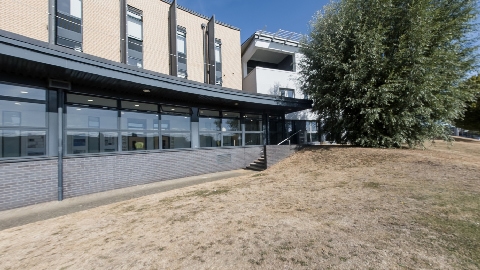
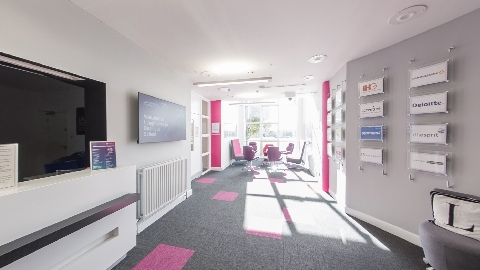
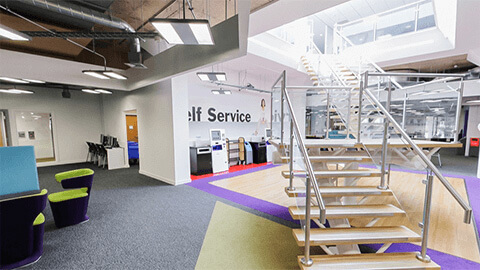
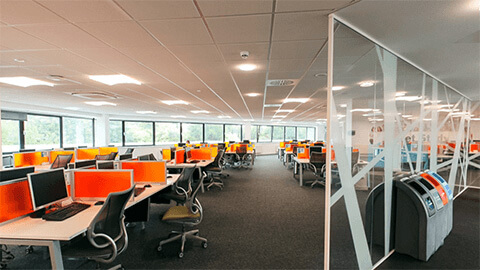
Our extensive range of first-class facilities are designed to help you throughout your studies and fully equip you for your future career. You will have access to spacious study areas and the latest audio-visual equipment to support teaching and learning. The 'LB Hub' in the Business School also provides a contemporary space to study, collaborate, refuel and recharge.






Your development
Gain industry experience through the Capstone project
The year-long Capstone project enables you to apply your learning to a live supply chain challenge in collaboration with industry partners and researchers. Working on real-world business problems, you'll develop your research, critical thinking, project management and teamwork skills while building valuable professional connections and enhancing your employability.
Develop interpersonal skills and expand your network through the UK SCALE Centre
One of the unique features of this programme comes from being an integral part of the UK SCALE Centre, which is a key component of the MIT Global SCALE Network. This collaboration provides important networking opportunities with industry representatives, fellow students from other universities in the SCALE network, and researchers from a wide range of disciplines. As part of the master’s study, you will travel to the MIT campus in the USA in January to attend a series of talks, activities, and other events. During this exciting period, you will have the chance to improve your interpersonal, networking, and leadership skills.
Additional support and opportunities
We will offer a variety of co-curricular activities in Loughborough Business School tailored to address issues around employability in a competitive and uncertain job market. There will be various workshops and sessions to provide guidance on career planning, CV writing, and interview preparation. In addition, we will facilitate industry expert guest speakers, who will help you to understand the practical considerations of supply chain management.
Build in-demand data skills to excel in the modern business world
At Loughborough Business School, you will have access to cutting-edge resources from the platform ‘DataCamp’. DataCamp is an online learning platform that specialises in teaching data and AI literacy for all levels of experience, designed to equip you with the essential skills employers are looking for.
Whether you're a beginner or looking to advance your expertise, you can explore a range of online courses covering key topics to enhance your career prospects.
- Take part in real-time AI, data mining, and machine learning exercises led by expert academics, applying your knowledge to real-world challenges.
- Access a dedicated data analysis hub where you can work with real datasets, refine your AI prompt-crafting skills and develop your technical expertise through hands-on experience.
- Build future-focused skills to stand out in a data-driven world.
Future career
Graduates of this programme will be well-prepared for a range of career opportunities in planning, managing, and decision support within supply chain management, logistics, and transportation.
Potential roles include logistics/transport planner, demand planner, supply chain and logistics analyst, procurement and sourcing manager, and supply chain consultant. The analytical and practical skills gained through this programme will open doors to prominent positions across various industries.
Specialised pathways allow graduates to position themselves either as analytically focused supply chain specialists or as strategically oriented supply chain managers, reflecting the diverse needs of employers.
Entry requirements
Our entry requirements are listed using standard UK undergraduate degree classifications i.e. first-class honours, upper second-class honours and lower second-class honours. To learn the equivalent for your country, please choose it from the drop-down below.
Entry requirements for United Kingdom
2:2 honours degree with a minimum of 55%.
We welcome applications from a wide range of academic disciplines. While some familiarity with quantitative methods is beneficial, we value the diverse perspectives and experiences that applicants from different fields bring to the programme.
We also encourage applications from those with relevant professional qualifications and/or work experience.
Afghanistan
| First-class honours (70%) | Upper second-class honours (60%) | Lower second-class honours (50%) | |
|---|---|---|---|
| Masters | 95% | 85% | 70% |
Albania
| First-class honours (70%) | Upper second-class honours (60%) | Lower second-class honours (50%) | |
|---|---|---|---|
| Diplomë e Nivelit të Pare (First Level (University) Diploma (from 2010) | 9.5 | 8.5 | 8 |
Algeria
| First-class honours (70%) | Upper second-class honours (60%) | Lower second-class honours (50%) | |
|---|---|---|---|
| Licence (4 year) / Diplome d'Inginieur d'Etat / Diplôme d'Etudes Supérieures | 16 | 14 | 12 |
Argentina
| First-class honours (70%) | Upper second-class honours (60%) | Lower second-class honours (50%) | |
|---|---|---|---|
| Licenciatura/ Licenciado (4 year) | 8.5 | 7.5 | 6.0 |
Armenia
| First-class honours (70%) | Upper second-class honours (60%) | Lower second-class honours (50%) | |
|---|---|---|---|
| Bakalavri Kochum required but typically a Magistrosi Kochum | 90% or 3.9 | 80% or 3.5 | 70% or 3.0 |
Australia
| First-class honours (70%) | Upper second-class honours (60%) | Lower second-class honours (50%) | |
|---|---|---|---|
| Honours degree (AQF level 8) | First Class, 80% | Upper Second, 70%, H2A | Lower Second, 60%, H2B |
| Ordinary degree - AQF Level 7 pass (mark 46 or 50) | High Distinction (80% or 85%) | Distinction (75% or 80%) | Distinction (70% or 75%) |
Austria
| First-class honours (70%) | Upper second-class honours (60%) | Lower second-class honours (50%) | |
|---|---|---|---|
| Degree / Diplomstudium / Fachhochschuldiplom (Diplom (FH)) | A (or 1.5) mit Auszeichnungbestanden | 60% / B / (or 2) | 60% / B / (or 2) |
Azerbaijan
| First-class honours (70%) | Upper second-class honours (60%) | Lower second-class honours (50%) | |
|---|---|---|---|
| Bakalavr Diplomu/ Diplomu (Specialist Diploma) | 4.5 or 90% | 4 or 80% | 3.5 or 70% |
Bahamas
| First-class honours (70%) | Upper second-class honours (60%) | Lower second-class honours (50%) | |
|---|---|---|---|
| Degree from University of the West Indies only | 1st (GPA 3.6) | 2:1 (GPA 3.0) | 2:2 (GPA 2.5) |
Bahrain
| First-class honours (70%) | Upper second-class honours (60%) | Lower second-class honours (50%) | |
|---|---|---|---|
| GPA 4.0 scale | 3.5 | 3.0 | 2.5 |
Bangladesh
| First-class honours (70%) | Upper second-class honours (60%) | Lower second-class honours (50%) | |
|---|---|---|---|
| Degrees awarded up to 2024: 4 Year Bachelor of Science in Engineering (IEB or BAETE accredited courses only) All other Bachelor degrees awarded up to 2024 also require a Masters (see grading below) |
1st (70%) / 3.5 | 2nd (60%) / 3.0 | 2nd (55%) / 2.75 |
| Degrees awarded from 2025 onwards: Any 4 year Bachelor degree from an ECCTIS recognised university |
1st (70%) / 3.5 | 2nd (60%) / 3.0 | 2nd (55%) / 2.75 |
| Masters (1-2 years) following a 3 or 4 year degree | 80% / 4.0 | 65% / 3.25 | 50% / 2.5 |
Belarus
| First-class honours (70%) | Upper second-class honours (60%) | Lower second-class honours (50%) | |
|---|---|---|---|
| Specialist Diploma (5Yr) | 9 | 7 | 5 |
Belgium
| First-class honours (70%) | Upper second-class honours (60%) | Lower second-class honours (50%) | |
|---|---|---|---|
| Bachelor degree/Licenciaat/Licencie | 80% or 17 | 70% or 14 | 60% or 12 |
Belize
| First-class honours (70%) | Upper second-class honours (60%) | Lower second-class honours (50%) | |
|---|---|---|---|
| Degree from University of the West Indies only | 1st (GPA 3.6) | 2:1 (GPA 3.0) | 2:2 (GPA 2.5) |
Benin
| First-class honours (70%) | Upper second-class honours (60%) | Lower second-class honours (50%) | |
|---|---|---|---|
| Maitrise | 18 | 15 or Bien | 12 or Assez Bien |
Bermuda
| First-class honours (70%) | Upper second-class honours (60%) | Lower second-class honours (50%) | |
|---|---|---|---|
| Degree from University of the West Indies only | 1st (GPA 3.6) | 2:1 (GPA 3.0) | 2:2 (GPA 2.5) |
Bolivia
| First-class honours (70%) | Upper second-class honours (60%) | Lower second-class honours (50%) | |
|---|---|---|---|
| A Licenciado, 4 years Private (public/private) | 85/78 | 75/66 | 67/55 |
Bosnia and Herzegovina
| First-class honours (70%) | Upper second-class honours (60%) | Lower second-class honours (50%) | |
|---|---|---|---|
| Diploma Visokog Obrazovanja / Diplomirani | 10 | 9 | 8 |
Botswana
| First-class honours (70%) | Upper second-class honours (60%) | Lower second-class honours (50%) | |
|---|---|---|---|
| Master's degree | A or 80% | B or 70% | C or 60% |
Brazil
| First-class honours (70%) | Upper second-class honours (60%) | Lower second-class honours (50%) | |
|---|---|---|---|
| Brazil - 4 yr Bacharel or Licenciado/Licenciatura or Título Profissional | 8.5 | 7.5 | 6.5 |
Brunei
| First-class honours (70%) | Upper second-class honours (60%) | Lower second-class honours (50%) | |
|---|---|---|---|
| Brunei | First | Upper Second (60%/B/3.1) | Lower Second (50% or C or 2.5) |
Bulgaria
| First-class honours (70%) | Upper second-class honours (60%) | Lower second-class honours (50%) | |
|---|---|---|---|
| 5 yr Diploma za Zavarsheno Visshe Obrazovanie (Diploma of Completed Higher Education) | 6 | 5 | 4 |
Burundi
| First-class honours (70%) | Upper second-class honours (60%) | Lower second-class honours (50%) | |
|---|---|---|---|
| Masters or Diplôme d'Études Approfondies or Diplôme Ingénieur (professional title) | 18 | 15/20 (Bien) | 12.5/20 (Assez Bien) |
Cambodia
| First-class honours (70%) | Upper second-class honours (60%) | Lower second-class honours (50%) | |
|---|---|---|---|
| Masters | 80% or B+ or 3.5 | 70% or B or 3.0 | 60% or C+ or 2.5 |
Cameroon
| First-class honours (70%) | Upper second-class honours (60%) | Lower second-class honours (50%) | |
|---|---|---|---|
| Bachelor degree or Diplome d'Etudes Superiures de Commerce or Diplome d'Ingenieur or Diplôme d'Ingénieur de Conception or a Maitrise, 4 year Licence or Master 1 (M1) | 1st / 3.6 or 15/Tres Bien | 2:1 / GPA 3.0 or 14 / Bien | 2:2 / GPA 2.5 or 12.5/ Assez Bien |
Canada
| First-class honours (70%) | Upper second-class honours (60%) | Lower second-class honours (50%) | |
|---|---|---|---|
| GPA 4.0/Percentage | 3.7/85% | 3.3/75% | 2.7/68% |
| Out of 9 | 8 | 6 | 5 |
| Out of 12 | 10 | 8 | 6 |
Chile
| First-class honours (70%) | Upper second-class honours (60%) | Lower second-class honours (50%) | |
|---|---|---|---|
| Grado de Licenciado / Título (Profesional) de [subject area] (4 years) | 6 | 5.5 | 5 |
China
Students are required to have a bachelor degree (4 years) for entry to a postgraduate programme. The University uses a tiered ranking system to identify the required final mark, as outlined on the table below.
You can search for your institution (university or affiliated college) via our look-up tool.
| First class (70%) | Mid 2:1 (65%) | 2:1 (60%) | Mid 2:2 (55%) | 2:2 (50%) | |
|---|---|---|---|---|---|
| Tier 1 | 80% | 76% | 72% | 70% | 67% |
| Tier 2 | 83% | 79% | 75% | 73% | 70% |
| Tier 3 | 86% | 82% | 79% | 77% | 75% |
Colombia
| First-class honours (70%) | Upper second-class honours (60%) | Lower second-class honours (50%) | |
|---|---|---|---|
| Licenciado / Título de [subject area] | 4.5 | 3.75 | 3.2 |
Costa Rica
| First-class honours (70%) | Upper second-class honours (60%) | Lower second-class honours (50%) | |
|---|---|---|---|
| Licenciado | 9 | 8 or 80 | 7 or 75 |
Croatia
| First-class honours (70%) | Upper second-class honours (60%) | Lower second-class honours (50%) | |
|---|---|---|---|
| Baccalaureus / Prvostupnik | 4.5 | 3.8 | 3.0 |
Cuba
| First-class honours (70%) | Upper second-class honours (60%) | Lower second-class honours (50%) | |
|---|---|---|---|
| 4-year Titulo de Licenciado / Licenciatura | 5 | 4 | 3 |
Cyprus
| First-class honours (70%) | Upper second-class honours (60%) | Lower second-class honours (50%) | |
|---|---|---|---|
| Cyprus | 8.5 | 7.0 | 6.5 |
Czech Republic
| First-class honours (70%) | Upper second-class honours (60%) | Lower second-class honours (50%) | |
|---|---|---|---|
| Bakalár (after 2001) 6 yr integrated Magistr | 1 | 1.5 | 2 |
Denmark
| First-class honours (70%) | Upper second-class honours (60%) | Lower second-class honours (50%) | |
|---|---|---|---|
| 5 year Candidatus/Candidata Magisterii or Bachelor degree (7 point scale) | 12 | 10 | 7 |
Dominican Republic
| First-class honours (70%) | Upper second-class honours (60%) | Lower second-class honours (50%) | |
|---|---|---|---|
| 4 year Licenciado or Título de [subject area] | 3.8 | Magna Cum Laude or 3.5 or 85% | Cum Laude or 3.2 or 82% |
Ecuador
| First-class honours (70%) | Upper second-class honours (60%) | Lower second-class honours (50%) | |
|---|---|---|---|
| Título de Licenciado / Título de [subject area] | 8.5 / 85% | 8 / 80% | 7 / 70% |
Egypt
| First-class honours (70%) | Upper second-class honours (60%) | Lower second-class honours (50%) | |
|---|---|---|---|
| Egypt | 3.5 | 3.2 | 2.8 |
| Universities only | BA 90%, BSc 85% | BA 80%, BSc 75% | BA 65%, BSc 65% |
El Salvador
| First-class honours (70%) | Upper second-class honours (60%) | Lower second-class honours (50%) | |
|---|---|---|---|
| 5 year Licenciado, Título de Ingeniero/Arquitecto | 8.5, 85% | 7.5, 75% or Muy Bueno | 6.5, 65% or Bueno |
Estonia
| First-class honours (70%) | Upper second-class honours (60%) | Lower second-class honours (50%) | |
|---|---|---|---|
| Bakalaureusekraad or Magister or Magistrikraad | 5 or 91% or A | 4 or 81% or B | 3 or 71% or C |
Ethiopia
| First-class honours (70%) | Upper second-class honours (60%) | Lower second-class honours (50%) | |
|---|---|---|---|
| Masters (up to 2025) | A / GPA 4.0 | A / GPA 3.5 | B / GPA 2.8 |
| 4-year Bachelor degree with thesis (from 2024) | A / GPA 4.0 | A / GPA 3.5 | B / GPA 2.8 |
| 5-year Bachelor degree (from 2025) | A / GPA 4.0 | A / GPA 3.5 | B / GPA 2.8 |
Finland
| First-class honours (70%) | Upper second-class honours (60%) | Lower second-class honours (50%) | |
|---|---|---|---|
| Kandidaattii/Kandidat or the Maisteri/Magister | 3 (out of 3) or 4.5 (out of 5) | 2 (out of 3) or 3 (out of 5) | 1 (out of 3) or 2.5 (out of 5) |
France
| First-class honours (70%) | Upper second-class honours (60%) | Lower second-class honours (50%) | |
|---|---|---|---|
| Licence (3 years)/ Maitrise/ Diplôme d'Ingénieur | 14 | 13 | 11 |
Georgia
| First-class honours (70%) | Upper second-class honours (60%) | Lower second-class honours (50%) | |
|---|---|---|---|
| 4-year degree (% = new system) | 5 (95%) | 4.0 (85%) | 3.5 (75%) |
Germany
| First-class honours (70%) | Upper second-class honours (60%) | Lower second-class honours (50%) | |
|---|---|---|---|
| German Bachelor/ Diplom, Magister Artium / Zeugnis über den Zweiten Abschnitt der Ärztlichen Prüfung | 1.5 | 2.5 | 3.0 |
Ghana
| First-class honours (70%) | Upper second-class honours (60%) | Lower second-class honours (50%) | |
|---|---|---|---|
| Ghana | 65% / 3.4 GPA | 57% / 3.0 GPA | 50% / 2.5 GPA |
Greece
| First-class honours (70%) | Upper second-class honours (60%) | Lower second-class honours (50%) | |
|---|---|---|---|
| Universities | 8.5 | 7.0 | 6 |
| TEI and non-University Institutions | 8.5 | 7 | 6.5 |
Grenada
| First-class honours (70%) | Upper second-class honours (60%) | Lower second-class honours (50%) | |
|---|---|---|---|
| Degree from University of West Indies - classification | 1st, 70% (GPA 3.6) | 2:1, 60% (GPA 3.00) | 2:2, 50% (GPA 2.5) |
| Degree from University of West Indies - grade / percentage | A | B / 75% | C / 55% |
| Degree from University of West Indies - GPA | 3.6 | 3.0 | 2.0 |
Guatemala
| First-class honours (70%) | Upper second-class honours (60%) | Lower second-class honours (50%) | |
|---|---|---|---|
| Liceniado / Titulo de (subject area) - 4 years | 90% (public university) / 95% (private university) | 80% (public university) / 85% (private university) | 60% (public university) / 70% (private university) |
Guyana
| First-class honours (70%) | Upper second-class honours (60%) | Lower second-class honours (50%) | |
|---|---|---|---|
| Master's | GPA 4 | GPA 3.5 | 3.0 |
Honduras
| First-class honours (70%) | Upper second-class honours (60%) | Lower second-class honours (50%) | |
|---|---|---|---|
| Título de Licenciado / Grado Académico de Licenciatura (4 year degree) - GPA out of 5 | GPA 5 or 90% | GPA 4 or 80% | GPA 3.5 or 70% |
Hong Kong
| First-class honours (70%) | Upper second-class honours (60%) | Lower second-class honours (50%) | |
|---|---|---|---|
| Bachelor degree (Honours) | 1st or 3.5/4 | 2:1 or 3/4 | 2:2 or 2.5/4 |
Hungary
| First-class honours (70%) | Upper second-class honours (60%) | Lower second-class honours (50%) | |
|---|---|---|---|
| Alapfokozt or Egyetemi Oklevel / Bachelor | 4.5 | 3.5 | 3 |
Iceland
| First-class honours (70%) | Upper second-class honours (60%) | Lower second-class honours (50%) | |
|---|---|---|---|
| Baccalaurreatus degree or Kandidatsprof/Candidatus Mag | 8.5 | 7.5 | 6.5 |
India
| First-class honours (70%) | Upper second-class honours (60%) | Lower second-class honours (50%) | |
|---|---|---|---|
| Institutions listed on the National Institutional Ranking Framework | 61% | 55% | 50% |
| All other Indian institutions | 68% | 62% | 57% |
Indonesia
| First-class honours (70%) | Upper second-class honours (60%) | Lower second-class honours (50%) | |
|---|---|---|---|
| Sarjana I (S1) from accredited Universities | 3.2 | 3.0 | 2.8 |
Iran
| First-class honours (70%) | Upper second-class honours (60%) | Lower second-class honours (50%) | |
|---|---|---|---|
| Iran | 17 | 15 | 13 |
Iraq
| First-class honours (70%) | Upper second-class honours (60%) | Lower second-class honours (50%) | |
|---|---|---|---|
| Iraq | 80% | 75% | 70% |
Ireland
| First-class honours (70%) | Upper second-class honours (60%) | Lower second-class honours (50%) | |
|---|---|---|---|
| Republic of Ireland | First (70%) | Upper second (60%) | Lower second (50%) |
Israel
| First-class honours (70%) | Upper second-class honours (60%) | Lower second-class honours (50%) | |
|---|---|---|---|
| 3 yr Bachelor Degree | 90% | 80% | 70% |
Italy
| First-class honours (70%) | Upper second-class honours (60%) | Lower second-class honours (50%) | |
|---|---|---|---|
| Diploma di Laurea | 109/110 | 100/110 | 90/110 |
Ivory Coast
| First-class honours (70%) | Upper second-class honours (60%) | Lower second-class honours (50%) | |
|---|---|---|---|
| Diplome d'Etude Approfondies, Diplome d'Etude Superieures or Diplome d'Etude Superieures | 16 | 14 (Bien) | 12 (Assez Bien) |
Jamaica
| First-class honours (70%) | Upper second-class honours (60%) | Lower second-class honours (50%) | |
|---|---|---|---|
| For degrees studied at The University of West Indies or degrees accredited by UCJ and CCCJ | 1st (GPA 3.6) | 2:1 (GPA 3.0) or B | 2:2, 50% (GPA 2.5) |
Japan
| First-class honours (70%) | Upper second-class honours (60%) | Lower second-class honours (50%) | |
|---|---|---|---|
| Gakushi – GPA 4.0 scale | 85% or A or 3.5 | 80% or B or 3.0 | 70% or C or 2.0 |
Jordan
| First-class honours (70%) | Upper second-class honours (60%) | Lower second-class honours (50%) | |
|---|---|---|---|
| GPA 4.0 scale | 3.5 | 3 or 3.5/5 or 75% | 2.5 (or 3.0/5) / 63% |
Kazakhstan
| First-class honours (70%) | Upper second-class honours (60%) | Lower second-class honours (50%) | |
|---|---|---|---|
| GPA 5.0/percentage scale | 4.5 or 90% | 4 or 85% | 3.5 or 80% |
| GPA 4.33 scale | 3.9 | 3.5 | 3.2 |
| GPA 4.0 scale | 3.5 | 3.0 | 2.6 |
Kenya
| First-class honours (70%) | Upper second-class honours (60%) | Lower second-class honours (50%) | |
|---|---|---|---|
| Kenya | First / 70% / A | Upper second / 60% / B | Lower second / 50% / C |
Kosovo
| First-class honours (70%) | Upper second-class honours (60%) | Lower second-class honours (50%) | |
|---|---|---|---|
| Kosovo | 10 | 9 | 8 |
Kuwait
| First-class honours (70%) | Upper second-class honours (60%) | Lower second-class honours (50%) | |
|---|---|---|---|
| GPA 4.0 scale | 3.6 | 3.0 | 2.6 |
Latvia
| First-class honours (70%) | Upper second-class honours (60%) | Lower second-class honours (50%) | |
|---|---|---|---|
| Latvia | 9 | 7 | 6 |
Lebanon
| First-class honours (70%) | Upper second-class honours (60%) | Lower second-class honours (50%) | |
|---|---|---|---|
| American | 85% (3.5) | 75% (3.0) | 62% (2.6) |
| French | 18 | 15 | 12 |
Liberia
| First-class honours (70%) | Upper second-class honours (60%) | Lower second-class honours (50%) | |
|---|---|---|---|
| Master's | 4.0 or 90% | 3.5 or 85% | 3 or 80% |
Libya
| First-class honours (70%) | Upper second-class honours (60%) | Lower second-class honours (50%) | |
|---|---|---|---|
| BSc Engineering, Architecture, Medicine | 85 (3.6) | 75 (3.0) | 65 (2.5) |
| Other bachelor's degree from a university | 90 (4.0) | 85% (3.6) | 75% (3.0) |
Lithuania
| First-class honours (70%) | Upper second-class honours (60%) | Lower second-class honours (50%) | |
|---|---|---|---|
| Lithuania | 9 | 8 | 7 |
Luxembourg
| First-class honours (70%) | Upper second-class honours (60%) | Lower second-class honours (50%) | |
|---|---|---|---|
| Luxembourg | 18 (excellent) | 16 (tres Bien) | 14 (bien) |
Macau
| First-class honours (70%) | Upper second-class honours (60%) | Lower second-class honours (50%) | |
|---|---|---|---|
| Macau | 1st or GPA 3.7 | 2:1 or GPA 3.0 | 2:2 or GPA 2.5 |
Macedonia
| First-class honours (70%) | Upper second-class honours (60%) | Lower second-class honours (50%) | |
|---|---|---|---|
| Magistar Дипломиран / Баццалауреус / Баццалауреа (Bachelor degree) | 10 | 9 | 8 |
Malawi
| First-class honours (70%) | Upper second-class honours (60%) | Lower second-class honours (50%) | |
|---|---|---|---|
| Master's only | MSc 75% | MSc 70% | MSc 65% |
Malaysia
| First-class honours (70%) | Upper second-class honours (60%) | Lower second-class honours (50%) | |
|---|---|---|---|
| Classification | First Class | 2.1 | GPA 2.5 |
| GPA 4.0 scale | 3.5 | 3.0 | 2.8 |
Malta
| First-class honours (70%) | Upper second-class honours (60%) | Lower second-class honours (50%) | |
|---|---|---|---|
| Malta | 1st (80%) | 2:1 (70%) | 2:2 (55%) |
Mauritius
| First-class honours (70%) | Upper second-class honours (60%) | Lower second-class honours (50%) | |
|---|---|---|---|
| Mauritius | 1st or 70% | 2:1 or 60% | 2:2 or 50% |
Mexico
| First-class honours (70%) | Upper second-class honours (60%) | Lower second-class honours (50%) | |
|---|---|---|---|
| Licenciatura / Licenciado/ Título (Profesional) de [subject area] | 8.5 | 8 | 7 |
Moldova
| First-class honours (70%) | Upper second-class honours (60%) | Lower second-class honours (50%) | |
|---|---|---|---|
| Diploma de Licenţă (Diploma of Licentiate) | 9 | 8 | 7 |
Mongolia
| First-class honours (70%) | Upper second-class honours (60%) | Lower second-class honours (50%) | |
|---|---|---|---|
| Диплом Специалиста (Specialist Diploma) | 90% or 3.5 | 80% or GPA 3.2 | 70% or GPA 3.0 |
Montenegro
| First-class honours (70%) | Upper second-class honours (60%) | Lower second-class honours (50%) | |
|---|---|---|---|
| Diploma of Completed Undergraduate Studies or Diploma of Professional Undergraduate Studies | 10 (or 5.0) | 9 (or 4.5) | 8 (or 4.0) |
Morocco
| First-class honours (70%) | Upper second-class honours (60%) | Lower second-class honours (50%) | |
|---|---|---|---|
| Diplôme d'Ingénieur d'État, Diplôme d'Écoles Nationales de Commerce et de Gestion, Licence / Licence d'Études Fondamentales / Licence Professionnelle | 16 | 14 | 12 |
Mozambique
| First-class honours (70%) | Upper second-class honours (60%) | Lower second-class honours (50%) | |
|---|---|---|---|
| Mestrado/ Grau de Mastre | 16 | 14 | 12 |
Myanmar (Burma)
| First-class honours (70%) | Upper second-class honours (60%) | Lower second-class honours (50%) | |
|---|---|---|---|
| 2 year Master's degree | 5 or 85% | 5 or 75% | 4.5 or 65% |
Namibia
| First-class honours (70%) | Upper second-class honours (60%) | Lower second-class honours (50%) | |
|---|---|---|---|
| 4-year Bachelor Honours (post 2008) or Masters | 80% or A | 70% or B | 60% or C |
Nepal
| First-class honours (70%) | Upper second-class honours (60%) | Lower second-class honours (50%) | |
|---|---|---|---|
| 4 -year professional degree or Masters (after 3-year Bachelor degree) | 80% or 3.7 GPA | 65% or 3.3 GPA | 60% or 3.0 GPA |
Netherlands
| First-class honours (70%) | Upper second-class honours (60%) | Lower second-class honours (50%) | |
|---|---|---|---|
| Netherlands | 8 | 7 | 6 |
New Zealand
| First-class honours (70%) | Upper second-class honours (60%) | Lower second-class honours (50%) | |
|---|---|---|---|
| 4 Year Honours degree (480 credits) - Level 8 | First (7.0) | Upper Second (6.0) | Lower Second (4.0) |
| 3 Year degree (360 credits) - Level 7 | A+ (9.0) | A- (7.0) | B+ (6.0) |
Nicaragua
| First-class honours (70%) | Upper second-class honours (60%) | Lower second-class honours (50%) | |
|---|---|---|---|
| Licenciatura (4 year) | 90% | 80% | 70% |
Nigeria
| First-class honours (70%) | Upper second-class honours (60%) | Lower second-class honours (50%) | |
|---|---|---|---|
| 7 point Scale | 6 | 5 | 4 |
| 5 point scale | 4 | 3.4 | 2.7 |
| 4 point scale | 3.5 | 3 | 2.5 |
Norway
| First-class honours (70%) | Upper second-class honours (60%) | Lower second-class honours (50%) | |
|---|---|---|---|
| Norway | A / 1.8 | B / 2.3 | C / 3.0 |
Oman
| First-class honours (70%) | Upper second-class honours (60%) | Lower second-class honours (50%) | |
|---|---|---|---|
| GPA 4.0 scale | 3.5 | 3.0 | 2.5 |
Pakistan
| First-class honours (70%) | Upper second-class honours (60%) | Lower second-class honours (50%) | |
|---|---|---|---|
| 4 Year degree only (the higher of the 2 options) | A- or GPA 3.7 | B or GPA 3.0 | C+ or GPA 2.6 |
| 2 or 3 year Bachelor or Associate Degree plus Masters | 1st (60%) plus GPA 3.7 | 2nd (55%) plus GPA 3.0 | 2nd (50%) plus GPA 2.6 |
Palestine
| First-class honours (70%) | Upper second-class honours (60%) | Lower second-class honours (50%) | |
|---|---|---|---|
| Bachelor (4-years) | (85%) 3.5 | (80%) 3.0 | (70%) 2.5 |
Panama
| First-class honours (70%) | Upper second-class honours (60%) | Lower second-class honours (50%) | |
|---|---|---|---|
| 4 Year Licenciado / Título de [subject area] | 91 (A) | 81 (B) | 71 (C) |
Papua New Guinea
| First-class honours (70%) | Upper second-class honours (60%) | Lower second-class honours (50%) | |
|---|---|---|---|
| Bachelor (Honours) Degree | 1st | 2:1 | 2:2 |
Paraguay
| First-class honours (70%) | Upper second-class honours (60%) | Lower second-class honours (50%) | |
|---|---|---|---|
| 4 Year Título de Licenciado / Título de [subject area] | 4.5 (85%) | 4 (80%) | 3.5 (75%) |
Peru
| First-class honours (70%) | Upper second-class honours (60%) | Lower second-class honours (50%) | |
|---|---|---|---|
| 4 Year Título de Licenciado / Título de [subject area] | 14 | 13 | 12 |
Philippines
| First-class honours (70%) | Upper second-class honours (60%) | Lower second-class honours (50%) | |
|---|---|---|---|
| Degree from prestigious state universities or Centres of Excellence (COE) | Summa Cum Laude 4.0 / 96% / 1.0 | Magna cum Laude 3.5 / 92% / 1.5 | Cum Laude 3.0 / 87%/ 2.0 |
Poland
| First-class honours (70%) | Upper second-class honours (60%) | Lower second-class honours (50%) | |
|---|---|---|---|
| Bachelor Degree (post 2003) Magister (pre- 2003) | 5 | 4.5 | 4 |
Portugal
| First-class honours (70%) | Upper second-class honours (60%) | Lower second-class honours (50%) | |
|---|---|---|---|
| Diploma de Estudos Superiores Especializados (DESE) or Licenciado | 18 | 16 | 14 |
Qatar
| First-class honours (70%) | Upper second-class honours (60%) | Lower second-class honours (50%) | |
|---|---|---|---|
| GPA 4.0 scale | 3.5 | 3.0 | 2.8 |
Romania
| First-class honours (70%) | Upper second-class honours (60%) | Lower second-class honours (50%) | |
|---|---|---|---|
| Diploma de Licenta/ Diploma de Inginer | 9 | 8 | 7 |
Russia
| First-class honours (70%) | Upper second-class honours (60%) | Lower second-class honours (50%) | |
|---|---|---|---|
| Bakalavr/Specialist Diploma/Magistr | 4.5 | 4.0 | 3.5 |
Rwanda
| First-class honours (70%) | Upper second-class honours (60%) | Lower second-class honours (50%) | |
|---|---|---|---|
| 4 year bachelor (Hons) degree (480 credits) | 1st, 16/20 (80%) | 2:1,14/20 (70%) | 2:2, 12/20 (60%) |
Saudi Arabia
| First-class honours (70%) | Upper second-class honours (60%) | Lower second-class honours (50%) | |
|---|---|---|---|
| GPA 4.0 scale | 3.5 | 3.0 | 2.5 |
| GPA 5.0 scale | 4.5 | 3.75 | 3.0 |
Senegal
| First-class honours (70%) | Upper second-class honours (60%) | Lower second-class honours (50%) | |
|---|---|---|---|
| Maitrise, Diplome d'Etude Approfondies, Diplome d'Etude Superieures or Diplome d'Etude Superieures Specialisees | 16/20 or Tres Bien | 14/20 or Bien | 12/20 or Assez Bien |
Serbia
| First-class honours (70%) | Upper second-class honours (60%) | Lower second-class honours (50%) | |
|---|---|---|---|
| Diplomirani/ Bachelor's degree | 9 | 8 | 7 |
Sierra Leone
| First-class honours (70%) | Upper second-class honours (60%) | Lower second-class honours (50%) | |
|---|---|---|---|
| Honours degree or masters | 1st (70%) | 2:1 (60% or B) | 2:2 (50% or C) |
Singapore
| First-class honours (70%) | Upper second-class honours (60%) | Lower second-class honours (50%) | |
|---|---|---|---|
| Bachelor (Hons) | First | Upper second | Lower second |
| GPA 4.0 scale | 3.7 | 3.0 | 2.7 |
| GPA 5.0 scale | 4.5 | 3.5 | 3.0 |
Slovakia
| First-class honours (70%) | Upper second-class honours (60%) | Lower second-class honours (50%) | |
|---|---|---|---|
| Bakalár (from 2005) Magister / Inzinier | 1.5 or B | 2.0 or C | 2.5 or C/high D |
Slovenia
| First-class honours (70%) | Upper second-class honours (60%) | Lower second-class honours (50%) | |
|---|---|---|---|
| University Diplom | 9 | 8 | 7 |
South Africa
| First-class honours (70%) | Upper second-class honours (60%) | Lower second-class honours (50%) | |
|---|---|---|---|
| Bachelor (Honours) or B Tech after 4 yrs study | 1st or 75% | 2:1 or 70% | 2:2 or 60% |
South Korea
| First-class honours (70%) | Upper second-class honours (60%) | Lower second-class honours (50%) | |
|---|---|---|---|
| GPA out of 4.5 | 3.8 / B+ | 3.2 / B | 2.8 / C+ |
| GPA out of 4.3 | 3.8 / B+ | 2.9 / C+ | 2.7 / C+ |
Spain
| First-class honours (70%) | Upper second-class honours (60%) | Lower second-class honours (50%) | |
|---|---|---|---|
| Licenciado / Título de Ingeniero / Título de Arquitecto | 8.5 | 7 | 6.5 |
| UCM grading | 3.0 | 2.0 | 1.5 |
Sri Lanka
| First-class honours (70%) | Upper second-class honours (60%) | Lower second-class honours (50%) | |
|---|---|---|---|
| 4 year Professional degree or Bachelor Special or Honours degree | 90%, GPA 3.70 | 80%, GPA 3.30 | 70%, GPA 3.0 |
Sudan
| First-class honours (70%) | Upper second-class honours (60%) | Lower second-class honours (50%) | |
|---|---|---|---|
| 4 year degree | 1st, 70%, B+ | 2:1, 66% | mid 2:2, 60%, B |
Sweden
| First-class honours (70%) | Upper second-class honours (60%) | Lower second-class honours (50%) | |
|---|---|---|---|
| Kandidatexamen or Magisterexamen | Overall grade of VG with a minimum of 120 credits at VG | B or Overall grade of VG with a minimum of 90 credits at VG | C or Overall grade of G with a minimum of 90 credits at G |
Switzerland
| First-class honours (70%) | Upper second-class honours (60%) | Lower second-class honours (50%) | |
|---|---|---|---|
| Bachelor Degree, Diplom or Lizentiat (10/6/5) | 10 / 5.5 / 1 | 8 / 5 / 2 | 6 / 4 / 3 |
Syria
| First-class honours (70%) | Upper second-class honours (60%) | Lower second-class honours (50%) | |
|---|---|---|---|
| State universities 4 years of study | 80% | 70% | 60% |
| Private universities 4 years of study | 90% | 80% | 70% |
Taiwan
| First-class honours (70%) | Upper second-class honours (60%) | Lower second-class honours (50%) | |
|---|---|---|---|
| 4 year degree | 76% 3.0 GPA |
70% 2.8 GPA |
65% 2.6 GPA |
Tajikistan
| First-class honours (70%) | Upper second-class honours (60%) | Lower second-class honours (50%) | |
|---|---|---|---|
| Диплом специалиста - Specialist Diploma | 5 | 4.5 | 4 |
Tanzania
| First-class honours (70%) | Upper second-class honours (60%) | Lower second-class honours (50%) | |
|---|---|---|---|
| Tanzania | 1st | 2:1 | 2:2 |
Thailand
| First-class honours (70%) | Upper second-class honours (60%) | Lower second-class honours (50%) | |
|---|---|---|---|
| GPA 4.0 scale | 3.2 | 2.8 | 2.6 |
Trinidad and Tobago
| First-class honours (70%) | Upper second-class honours (60%) | Lower second-class honours (50%) | |
|---|---|---|---|
| For degrees studied at The University of West Indies or degrees accredited by ACTT | 1st or GPA 3.6 | 2:1 or GPA 3.0 | 2:2 or GPA 2.5 |
Tunisia
| First-class honours (70%) | Upper second-class honours (60%) | Lower second-class honours (50%) | |
|---|---|---|---|
| Licence, Maîtrise, Diplôme National d'Ingénieu | 16 (tres bien) | 14 (bien) | 11 (assez bien) |
Turkey
| First-class honours (70%) | Upper second-class honours (60%) | Lower second-class honours (50%) | |
|---|---|---|---|
| Lisans Diplomasi or a Műhendis Diplomasi | 3.3 | 2.9 | 2.4 |
Turkmenistan
| First-class honours (70%) | Upper second-class honours (60%) | Lower second-class honours (50%) | |
|---|---|---|---|
| 4 Yr Bakalavr, Specialist Diploma or Magistr | 5 | 4.5 | 4 |
Uganda
| First-class honours (70%) | Upper second-class honours (60%) | Lower second-class honours (50%) | |
|---|---|---|---|
| Uganda | 1st or 4.4 | 2:1 or 3.8 | 2:2 or 3.0 |
Ukraine
| First-class honours (70%) | Upper second-class honours (60%) | Lower second-class honours (50%) | |
|---|---|---|---|
| Dyplom Magistra or a Bachelors degree (11 / 5) | 4.5 | 4.0 | 3.5 |
United Arab Emirates
| First-class honours (70%) | Upper second-class honours (60%) | Lower second-class honours (50%) | |
|---|---|---|---|
| GPA 4.0 scale | 3.5 | 3.0 | 2.6 |
United States of America
| First-class honours (70%) | Upper second-class honours (60%) | Lower second-class honours (50%) | |
|---|---|---|---|
| GPA 4.0 scale | 3.5 | 3 | 2.6 |
Uruguay
| First-class honours (70%) | Upper second-class honours (60%) | Lower second-class honours (50%) | |
|---|---|---|---|
| Licenciado (4 year) | 9 | 8 | 7 |
Uzbekistan
| First-class honours (70%) | Upper second-class honours (60%) | Lower second-class honours (50%) | |
|---|---|---|---|
| Majistr Diplomi / Diplomi (Specialist Diploma) | 90% or GPA 4.5 | 80% or GPA 4.0 | 70% or GPA 3.5 |
Venezuela
| First-class honours (70%) | Upper second-class honours (60%) | Lower second-class honours (50%) | |
|---|---|---|---|
| Licenciado/Professional title. (4 year) | 18/20 or 8/9 | 16/20 or 7/9 | 14/20 or 6/9 |
Vietnam
| First-class honours (70%) | Upper second-class honours (60%) | Lower second-class honours (50%) | |
|---|---|---|---|
| 10-point scale | 8.0 | 7.0 | 6.0 |
| 4-point scale | 3.2 | 2.8 | 2.4 |
Zambia
| First-class honours (70%) | Upper second-class honours (60%) | Lower second-class honours (50%) | |
|---|---|---|---|
| Master's | A or 4.0 or 80% | B+, 3.5 or 70% | B or 3.0 or 60% |
Zimbabwe
| First-class honours (70%) | Upper second-class honours (60%) | Lower second-class honours (50%) | |
|---|---|---|---|
| 3/4 year degree | 1st or 75% | 2:1 or 65% | 2:2 or 60% |
English language requirements
Applicants must meet the minimum English language requirements. Further details are available on the International website.
Fees and funding
Fees for the 2027-28 academic year
UK students:
£17,000 Full-time degree per annum
International students:
£31,250 Full-time degree per annum
Studying part-time
The fee stated is for a full-time student undertaking a master’s programme of 180 credits. Part-time students will spread this credit load over two or more years of study as agreed with the School/Department. Fees will be charged for the credit weighting of modules taken in a given year. The tuition fees payable can be calculated by dividing the published fee by 180 and then multiplying by the number of credits to be taken in the specific year.
Fees are reviewed annually and are likely to increase in subsequent years by a small amount (will not exceed 5%) to take into account inflationary pressures.
Financial costs and visa information
The tuition fee for the MSc in Supply Chain Management includes the cost of accommodation for the three-week residential at the MIT campus in Boston, Massachusetts.
To attend the three-week MIT SCALE Connect residential at MIT in Boston, you will need to check and secure the appropriate visa for your circumstances. This may include a US B1/B2 combined visa*. As visa appointments can take time, we strongly encourage you to review both your US and UK visa requirements early to avoid delays and support a smooth start to your MSc.
Please note that there are additional essential costs for attendance at SCALE Connect which are not included in the tuition fees: US Visitor Visa, currently $185 applicable processing fee; return flights to Boston from the UK or your home country, variable depending on location; insurance, with costs varying based on the student’s choice. The University covers some aspects of the international trip, but students are advised to purchase supplementary insurance for personal belongings, as winter/extreme sports are not covered under the University’s policy; airport transfers, including options such as a shuttle bus, 10 minutes, £28-40, or a public bus, 30 minutes, £1-4; and meals, as breakfast is included with accommodation, but students will need to cover lunch and most evening meals. It is recommended to budget approximately $350 for three weeks.
For students who are exceptionally unable to attend the residential in person, alternative arrangements will be provided to ensure participation in the programme over the three weeks continues, including access to taught sessions online.
*You will need to check the visa requirements based on your own specific circumstances.