Sport Management
Qualification(s) available: MSc
Build the expertise and connections to succeed in the global sport business industry.
- Entry requirements
- 2:1 Full entry requirements
- Start date
- September 2027
- Full-time
- 1 year
- Part-time
- Up to 4 years
- Location
- London
- Fees for 2027-28 (per academic year)
- UK: £15,000 International: £33,000 Fees and funding
- Scholarships
- Scholarships available for this course
About this course
Kickstart your Sport Management journey.
Would you like to study sport management at Loughborough University, the world’s number one university for sports-related subjects? Or experience the energy of London, one of the world’s leading cities for sport events?
This programme welcomes students from diverse academic backgrounds who want to gain specialist knowledge of the sport industry, with a strong emphasis on employability and professional growth.
Our London school is located within Queen Elizabeth Olympic Park, originally developed for the London 2012 Olympic and Paralympic Games. Today it thrives at a hub for education, sporting events, technology and business start-ups.
You will be surrounded by world-class venues such as the London Stadium, home to West Ham United, and the Copper Box Arena, home to the London Lions and London Pulse.
As a student in the Institute for Sport Business, you’ll connect with leading organisations including London Sport, Harlequins, the London Marathon, Formula E, Chelsea FC and Two Circles.
A curriculum designed for tomorrow’s sports leaders
You will explore all dimensions of sport management, including sport business, sport analytics, and managing people in sport. There are also opportunities to specialise in exciting areas such as sport innovation, sport ecology, sport integrity, and sport sustainability.
Develop advanced research skills through your dissertation and gain hands-on experience with live industry briefs in the Collaborative Project module.
Intensive study with real-world impact
The programme uses an intensive block teaching model, with each module delivered over three weeks. This approach enables you to focus on one subject at a time, enhancing your ability to master complex concepts and apply your learning in practical contexts.
By immersing yourself fully in each area of study, you’ll develop a strong, applied understanding of the sport business environment and mirrors the fast-paced nature of the sport industry, helping you to adapt quickly to professional environments.
Team up across disciplines to solve real challenges
Sport management requires collaboration across fields. At Loughborough University London, you will work alongside students from fields such as design, finance and technology to address real-world problems on our Grand Challenge module.
Launch your career in the global sport industry
Employability is central to the programme. Future Space, our careers and employability team supports your personal and professional growth, helping you to build networks, engage with industry partners, and position yourself for careers across the global sport sector.
Course strengths
Why you should choose us
Why you should study this degree
- Explore the core dimensions of sport management, including business, analytics, and people management.
- Focus on areas such as sport innovation, marketing, leadership, communication, sustainability and integrity.
- Develop advanced research skills through your dissertation and applied projects.
- Work through contemporary opportunities and challenges that leading sport organisations face.
- Learn at the heart of global sport in London’s Queen Elizabeth Olympic Park with proximity to numerous sport organisations, events and other entities nearby.
- Full immersion in each topic area through block teaching.
Course structure
The modules on our Sport Management MSc have been carefully put together to give you the most up-to-date and relevant set of skills and knowledge for progressing in your chosen career.
Compulsory modules
Sport Business Statistics and Analytics (15 credits)
The aim of this module is to understand the importance of data-driven decision making and strategy formulation, and how statistical analysis and data visualisation assist in identifying sport business trends and solutions.
Grand Challenges (15 credits)
The aim of this module is to give students an opportunity to explore grand challenges facing our global society and to propose imaginative solutions to specific challenges in one or more country.
Students will critically reflect on the United Nations Sustainability Development Goals and think about how Loughborough University's Creating Better Futures. Together Strategy might contribute to them.
Students will engage with ideas and approaches to possible solutions from their own programme and gain diverse insights from Loughborough University London's interdisciplinary ecosystem. This will involve solution-oriented thinking and a balance between criticality and possibility, leading to a deep understanding of grand challenges and imagining creative responses to them.
Contemporary Sport Business (15 credits)
More details to follow.
Optional modules
Leadership Models and Practices: Application to a Sport Context (15 credits)
The aims of this module are to deliver a thorough grounding in the main leadership models, and the issues that impact on leadership practice in the sport environment. It is intended as an introduction to leadership and will be the theoretical foundation upon which other sport leadership units are built.
Sustainability and Sport (15 credits)
The module aims are to identify key global sustainability issues, and related sustainable development principles, and to examine the two-way relationships between the described sustainability issues and the sport sector, including how sport both contributes to, and is affected by global sustainability issues.
Sport Marketing (15 credits)
The aims of this module are to:
- Be introduced to key concepts in sport marketing.
- Develop understanding of the nature of sport marketing.
- Investigate consumer behaviour and its relation to marketing techniques.
Sport Business and Innovation (15 credits)
This module is designed to equip students with an understanding of the main theoretical and empirical issues in the development of sport innovation and an appreciation of the relevant skills needed to manage sport innovation. The module also provides evidence based on applied sport innovation examples from the sport industry. Students will have the opportunity to develop and innovative business concept for the sport business industry.
Compulsory modules
Managing People in Sport Organisations (15 credits)
More details to follow.
Dissertation (60 credits)
The aims of this module are to give the student the opportunity to study a subject, business problem or research question in depth and to research the issues surrounding the subject or background to the problem.
The module will equip the student with the relevant skills, knowledge and understanding for their individual research project and they will be guided through the two options available to them to complete their dissertation:
- A desk based research project that could be set by an organisation or could be a subject of the student's choice.
- A project that involves collection of primary data from within an organisation or based on lab and/or field experiments.
Students will achieve a high level of understanding in the subject area and produce a written thesis or project report which will discuss this research in depth and with rigour.
Optional modules
Sport Public Relations and Communication (15 credits)
To understand the importance of communication with a sport organisation's stakeholders (e.g., fans, media, sponsors, community, employees), the various channels and mechanisms used to communicate with such stakeholders, and to identify the most appropriate channels of communication for a given situation depending on several contextual factors.
The module will provide students with an understanding of the principles of communication and public relations and the ability to employ communication strategies specifically in sport-related contexts.
Business Models and Entrepreneurship in the Sport Industry (15 credits)
Develop an entrepreneurial, design thinking mindset by exploring multiple sport business contexts, to enhance awareness of the scope and diversity of business models within sport.
On completion of this module students should be able to:
- Demonstrate awareness and understanding of the scope and diversity of business models within the sport industry.
- Create and develop a new sport business idea and associated business model canvas using key entrepreneurship concepts.
New Media and Analytics for Sport Business (15 credits)
The aims of this module are to demonstrate how various sport properties are leveraging new media and new technologies, specifically, the Internet and mobile technology. In doing this it will use analytics to study a wide variety of issues affecting the sport industry.
Sport Ecology (15 credits)
The aims of this module are to provide students with an understanding of:
- The impact of climate change and environmental degradation on sports performance and business at the community, elite, and pro levels. Using contemporary examples from varied geographic contexts, the module will explore how sport can identify, interpret, and adapt to mounting climate challenges such as extreme heat conditions and natural disasters.
- The ways sport organisations and sportspeople can reduce emissions and sport's impact on the natural environment. In doing so, the module aims to promote a critical, evidence-based understanding of the interplay between sport and the natural environment.
- How to quantify the impacts of a sport organisation on the environment and measure the impacts moving forwards, using greenhouse gas reporting as an example.
Leadership Development in Sport (15 credits)
The aims of this module are to support students in their personal leadership development and to evaluate the effectiveness of leadership development programmes in the sport industry.
Collaborative Project (15 credits)
The aims of this module are to:
- Provide students with an opportunity to be exposed to project-based teamwork in diverse settings (understood in this context as involving a range of multidisciplinary, multicultural and demographic elements in differing configurations), aiming to strengthen their cooperative and collaborative working skills and competence, while raising awareness and appreciation of diversity itself.
- Provide students with hands-on experience of identifying, framing and resolving practice oriented and real-world based challenges and problems, using creativity, critical enquiry and appropriate tools to achieve valuable and relevant solutions.
- Support the development of students' ability to engage in critical enquiry and individual reflection, as well as to apply individual strengths and skills, building on their own educational backgrounds.
- Provide students with opportunities for networking with stakeholders, organisations and corporations, aiming to enhance the competence and skills needed to connect to relevant parties and build up future professional opportunities.
Sport Integrity (15 credits)
The aims of this module are to:
- Examine the nature of sports integrity and the threats to it presented by the manipulation of sporting outcomes and corrupt governance practices in both national and international contexts, including key legal and regulatory areas.
- Develop a greater awareness of ethical issues in relation to combatting sport integrity issues.
- Explain the role of the board, and senior management, in providing organisational leadership and implementing cultural change, with particular emphasis on composition and values-based leadership models.
- Consider the importance of professional conduct, athlete reputation and public confidence in sport.
- Critically review a range of legal and regulatory issues in sport.
Sustainable Event Management (15 credits)
More details to follow.
Compulsory modules
Dissertation (60 credits)
The aims of this module are to give the student the opportunity to study a subject, business problem or research question in depth and to research the issues surrounding the subject or background to the problem.
The module will equip the student with the relevant skills, knowledge and understanding for their individual research project and they will be guided through the two options available to them to complete their dissertation:
- A desk based research project that could be set by an organisation or could be a subject of the student's choice.
- A project that involves collection of primary data from within an organisation or based on lab and/or field experiments.
Students will achieve a high level of understanding in the subject area and produce a written thesis or project report which will discuss this research in depth and with rigour.
The following information is intended as an example only, featuring module details for the current year of study. Modules are reviewed on an annual basis and may be subject to future changes - revised details will be published through Programme Specifications ahead of each academic year. Please also see Terms and Conditions of Study for more information.
How you'll be assessed
You can expect to complete essays and reports of varying lengths, as well as presentations, projects and exams.
How you'll study
As well as your regular timetabled teaching, you’ll have the chance to take part in guest lectures and projects on a range of topics.
- Lectures
- Seminars
- Tutorials
- Independent study
- Group work
- Workshops
- Practical sessions
Our academics


Where you'll study
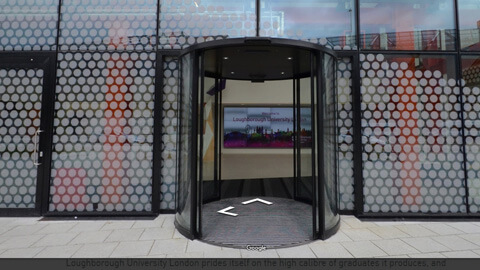
Based on our vibrant London campus, you’ll have access to all our on-site facilities, as well as opportunities to learn off campus.
Your development
At Loughborough University London, you’ll get the strong grounding you need to move forward confidently along your chosen path.
Look forward to plenty of opportunities to develop your skills, take part in career-focused activities and tap into all the support you need along the way. You’ll get to work on group projects set by real businesses and organisations, go on site visits and explore organisation-based dissertations as part of your course.
An impressive toolkit of skills
By the end of your master’s, you’ll have the skills and qualities to progress confidently in your Sport Management career.
By the end of your programme, you’ll be able to:
- Develop a comprehensive understanding of sport business management and the skills needed to address industry challenges.
- Apply sport management theory, models, and practical approaches to evaluate problems, respond to challenges, and engage with industry opportunities.
- Acquire knowledge of contemporary sport business principles, including effective people management.
- Strengthen employability skills such as research, analysis, communication, and collaborative practice.
- Gain an overarching perspective of the current sport business management landscape, alongside insight into future trends.
Future career
This programme equips students with the skills and knowledge needed for a successful career in global sport business because of expert module leaders, access to cutting edge industry organisations and a carefully curated curriculum.
The global sport industry is growing rapidly and will need well trained graduates of the Institute for Sport Business to tackle new challenges and lead sport organisations into the future.
Graduates of this programme may work in a sponsorship role with a professional sport team, lead projects for one of many market research agencies based on London or be a part of implementing Major Events all over the world.
Entry requirements
Our entry requirements are listed using standard UK undergraduate degree classifications i.e. first-class honours, upper second-class honours and lower second-class honours. To learn the equivalent for your country, please choose it from the drop-down below.
Entry requirements for United Kingdom
A 2:1 honours degree (with a minimum of 60% in final year), or equivalent international qualification.
Applicants with a 2:2 honours degree will be considered on a case-by-case basis.
Afghanistan
| First-class honours (70%) | Upper second-class honours (60%) | Lower second-class honours (50%) | |
|---|---|---|---|
| Masters | 95% | 85% | 70% |
Albania
| First-class honours (70%) | Upper second-class honours (60%) | Lower second-class honours (50%) | |
|---|---|---|---|
| Diplomë e Nivelit të Pare (First Level (University) Diploma (from 2010) | 9.5 | 8.5 | 8 |
Algeria
| First-class honours (70%) | Upper second-class honours (60%) | Lower second-class honours (50%) | |
|---|---|---|---|
| Licence (4 year) / Diplome d'Inginieur d'Etat / Diplôme d'Etudes Supérieures | 16 | 14 | 12 |
Argentina
| First-class honours (70%) | Upper second-class honours (60%) | Lower second-class honours (50%) | |
|---|---|---|---|
| Licenciatura/ Licenciado (4 year) | 8.5 | 7.5 | 6.0 |
Armenia
| First-class honours (70%) | Upper second-class honours (60%) | Lower second-class honours (50%) | |
|---|---|---|---|
| Bakalavri Kochum required but typically a Magistrosi Kochum | 90% or 3.9 | 80% or 3.5 | 70% or 3.0 |
Australia
| First-class honours (70%) | Upper second-class honours (60%) | Lower second-class honours (50%) | |
|---|---|---|---|
| Honours degree (AQF level 8) | First Class, 80% | Upper Second, 70%, H2A | Lower Second, 60%, H2B |
| Ordinary degree - AQF Level 7 pass (mark 46 or 50) | High Distinction (80% or 85%) | Distinction (75% or 80%) | Distinction (70% or 75%) |
Austria
| First-class honours (70%) | Upper second-class honours (60%) | Lower second-class honours (50%) | |
|---|---|---|---|
| Degree / Diplomstudium / Fachhochschuldiplom (Diplom (FH)) | A (or 1.5) mit Auszeichnungbestanden | 60% / B / (or 2) | 60% / B / (or 2) |
Azerbaijan
| First-class honours (70%) | Upper second-class honours (60%) | Lower second-class honours (50%) | |
|---|---|---|---|
| Bakalavr Diplomu/ Diplomu (Specialist Diploma) | 4.5 or 90% | 4 or 80% | 3.5 or 70% |
Bahamas
| First-class honours (70%) | Upper second-class honours (60%) | Lower second-class honours (50%) | |
|---|---|---|---|
| Degree from University of the West Indies only | 1st (GPA 3.6) | 2:1 (GPA 3.0) | 2:2 (GPA 2.5) |
Bahrain
| First-class honours (70%) | Upper second-class honours (60%) | Lower second-class honours (50%) | |
|---|---|---|---|
| GPA 4.0 scale | 3.5 | 3.0 | 2.5 |
Bangladesh
| First-class honours (70%) | Upper second-class honours (60%) | Lower second-class honours (50%) | |
|---|---|---|---|
| Degrees awarded up to 2024: 4 Year Bachelor of Science in Engineering (IEB or BAETE accredited courses only) All other Bachelor degrees awarded up to 2024 also require a Masters (see grading below) |
1st (70%) / 3.5 | 2nd (60%) / 3.0 | 2nd (55%) / 2.75 |
| Degrees awarded from 2025 onwards: Any 4 year Bachelor degree from an ECCTIS recognised university |
1st (70%) / 3.5 | 2nd (60%) / 3.0 | 2nd (55%) / 2.75 |
| Masters (1-2 years) following a 3 or 4 year degree | 80% / 4.0 | 65% / 3.25 | 50% / 2.5 |
Belarus
| First-class honours (70%) | Upper second-class honours (60%) | Lower second-class honours (50%) | |
|---|---|---|---|
| Specialist Diploma (5Yr) | 9 | 7 | 5 |
Belgium
| First-class honours (70%) | Upper second-class honours (60%) | Lower second-class honours (50%) | |
|---|---|---|---|
| Bachelor degree/Licenciaat/Licencie | 80% or 17 | 70% or 14 | 60% or 12 |
Belize
| First-class honours (70%) | Upper second-class honours (60%) | Lower second-class honours (50%) | |
|---|---|---|---|
| Degree from University of the West Indies only | 1st (GPA 3.6) | 2:1 (GPA 3.0) | 2:2 (GPA 2.5) |
Benin
| First-class honours (70%) | Upper second-class honours (60%) | Lower second-class honours (50%) | |
|---|---|---|---|
| Maitrise | 18 | 15 or Bien | 12 or Assez Bien |
Bermuda
| First-class honours (70%) | Upper second-class honours (60%) | Lower second-class honours (50%) | |
|---|---|---|---|
| Degree from University of the West Indies only | 1st (GPA 3.6) | 2:1 (GPA 3.0) | 2:2 (GPA 2.5) |
Bolivia
| First-class honours (70%) | Upper second-class honours (60%) | Lower second-class honours (50%) | |
|---|---|---|---|
| A Licenciado, 4 years Private (public/private) | 85/78 | 75/66 | 67/55 |
Bosnia and Herzegovina
| First-class honours (70%) | Upper second-class honours (60%) | Lower second-class honours (50%) | |
|---|---|---|---|
| Diploma Visokog Obrazovanja / Diplomirani | 10 | 9 | 8 |
Botswana
| First-class honours (70%) | Upper second-class honours (60%) | Lower second-class honours (50%) | |
|---|---|---|---|
| Master's degree | A or 80% | B or 70% | C or 60% |
Brazil
| First-class honours (70%) | Upper second-class honours (60%) | Lower second-class honours (50%) | |
|---|---|---|---|
| Brazil - 4 yr Bacharel or Licenciado/Licenciatura or Título Profissional | 8.5 | 7.5 | 6.5 |
Brunei
| First-class honours (70%) | Upper second-class honours (60%) | Lower second-class honours (50%) | |
|---|---|---|---|
| Brunei | First | Upper Second (60%/B/3.1) | Lower Second (50% or C or 2.5) |
Bulgaria
| First-class honours (70%) | Upper second-class honours (60%) | Lower second-class honours (50%) | |
|---|---|---|---|
| 5 yr Diploma za Zavarsheno Visshe Obrazovanie (Diploma of Completed Higher Education) | 6 | 5 | 4 |
Burundi
| First-class honours (70%) | Upper second-class honours (60%) | Lower second-class honours (50%) | |
|---|---|---|---|
| Masters or Diplôme d'Études Approfondies or Diplôme Ingénieur (professional title) | 18 | 15/20 (Bien) | 12.5/20 (Assez Bien) |
Cambodia
| First-class honours (70%) | Upper second-class honours (60%) | Lower second-class honours (50%) | |
|---|---|---|---|
| Masters | 80% or B+ or 3.5 | 70% or B or 3.0 | 60% or C+ or 2.5 |
Cameroon
| First-class honours (70%) | Upper second-class honours (60%) | Lower second-class honours (50%) | |
|---|---|---|---|
| Bachelor degree or Diplome d'Etudes Superiures de Commerce or Diplome d'Ingenieur or Diplôme d'Ingénieur de Conception or a Maitrise, 4 year Licence or Master 1 (M1) | 1st / 3.6 or 15/Tres Bien | 2:1 / GPA 3.0 or 14 / Bien | 2:2 / GPA 2.5 or 12.5/ Assez Bien |
Canada
| First-class honours (70%) | Upper second-class honours (60%) | Lower second-class honours (50%) | |
|---|---|---|---|
| GPA 4.0/Percentage | 3.7/85% | 3.3/75% | 2.7/68% |
| Out of 9 | 8 | 6 | 5 |
| Out of 12 | 10 | 8 | 6 |
Chile
| First-class honours (70%) | Upper second-class honours (60%) | Lower second-class honours (50%) | |
|---|---|---|---|
| Grado de Licenciado / Título (Profesional) de [subject area] (4 years) | 6 | 5.5 | 5 |
China
Students are required to have a bachelor degree (4 years) for entry to a postgraduate programme. The University uses a tiered ranking system to identify the required final mark, as outlined on the table below.
You can search for your institution (university or affiliated college) via our look-up tool.
| First class (70%) | Mid 2:1 (65%) | 2:1 (60%) | Mid 2:2 (55%) | 2:2 (50%) | |
|---|---|---|---|---|---|
| Tier 1 | 80% | 76% | 72% | 70% | 67% |
| Tier 2 | 83% | 79% | 75% | 73% | 70% |
| Tier 3 | 86% | 82% | 79% | 77% | 75% |
Colombia
| First-class honours (70%) | Upper second-class honours (60%) | Lower second-class honours (50%) | |
|---|---|---|---|
| Licenciado / Título de [subject area] | 4.5 | 3.75 | 3.2 |
Costa Rica
| First-class honours (70%) | Upper second-class honours (60%) | Lower second-class honours (50%) | |
|---|---|---|---|
| Licenciado | 9 | 8 or 80 | 7 or 75 |
Croatia
| First-class honours (70%) | Upper second-class honours (60%) | Lower second-class honours (50%) | |
|---|---|---|---|
| Baccalaureus / Prvostupnik | 4.5 | 3.8 | 3.0 |
Cuba
| First-class honours (70%) | Upper second-class honours (60%) | Lower second-class honours (50%) | |
|---|---|---|---|
| 4-year Titulo de Licenciado / Licenciatura | 5 | 4 | 3 |
Cyprus
| First-class honours (70%) | Upper second-class honours (60%) | Lower second-class honours (50%) | |
|---|---|---|---|
| Cyprus | 8.5 | 7.0 | 6.5 |
Czech Republic
| First-class honours (70%) | Upper second-class honours (60%) | Lower second-class honours (50%) | |
|---|---|---|---|
| Bakalár (after 2001) 6 yr integrated Magistr | 1 | 1.5 | 2 |
Denmark
| First-class honours (70%) | Upper second-class honours (60%) | Lower second-class honours (50%) | |
|---|---|---|---|
| 5 year Candidatus/Candidata Magisterii or Bachelor degree (7 point scale) | 12 | 10 | 7 |
Dominican Republic
| First-class honours (70%) | Upper second-class honours (60%) | Lower second-class honours (50%) | |
|---|---|---|---|
| 4 year Licenciado or Título de [subject area] | 3.8 | Magna Cum Laude or 3.5 or 85% | Cum Laude or 3.2 or 82% |
Ecuador
| First-class honours (70%) | Upper second-class honours (60%) | Lower second-class honours (50%) | |
|---|---|---|---|
| Título de Licenciado / Título de [subject area] | 8.5 / 85% | 8 / 80% | 7 / 70% |
Egypt
| First-class honours (70%) | Upper second-class honours (60%) | Lower second-class honours (50%) | |
|---|---|---|---|
| Egypt | 3.5 | 3.2 | 2.8 |
| Universities only | BA 90%, BSc 85% | BA 80%, BSc 75% | BA 65%, BSc 65% |
El Salvador
| First-class honours (70%) | Upper second-class honours (60%) | Lower second-class honours (50%) | |
|---|---|---|---|
| 5 year Licenciado, Título de Ingeniero/Arquitecto | 8.5, 85% | 7.5, 75% or Muy Bueno | 6.5, 65% or Bueno |
Estonia
| First-class honours (70%) | Upper second-class honours (60%) | Lower second-class honours (50%) | |
|---|---|---|---|
| Bakalaureusekraad or Magister or Magistrikraad | 5 or 91% or A | 4 or 81% or B | 3 or 71% or C |
Ethiopia
| First-class honours (70%) | Upper second-class honours (60%) | Lower second-class honours (50%) | |
|---|---|---|---|
| Masters (up to 2025) | A / GPA 4.0 | A / GPA 3.5 | B / GPA 2.8 |
| 4-year Bachelor degree with thesis (from 2024) | A / GPA 4.0 | A / GPA 3.5 | B / GPA 2.8 |
| 5-year Bachelor degree (from 2025) | A / GPA 4.0 | A / GPA 3.5 | B / GPA 2.8 |
Finland
| First-class honours (70%) | Upper second-class honours (60%) | Lower second-class honours (50%) | |
|---|---|---|---|
| Kandidaattii/Kandidat or the Maisteri/Magister | 3 (out of 3) or 4.5 (out of 5) | 2 (out of 3) or 3 (out of 5) | 1 (out of 3) or 2.5 (out of 5) |
France
| First-class honours (70%) | Upper second-class honours (60%) | Lower second-class honours (50%) | |
|---|---|---|---|
| Licence (3 years)/ Maitrise/ Diplôme d'Ingénieur | 14 | 13 | 11 |
Georgia
| First-class honours (70%) | Upper second-class honours (60%) | Lower second-class honours (50%) | |
|---|---|---|---|
| 4-year degree (% = new system) | 5 (95%) | 4.0 (85%) | 3.5 (75%) |
Germany
| First-class honours (70%) | Upper second-class honours (60%) | Lower second-class honours (50%) | |
|---|---|---|---|
| German Bachelor/ Diplom, Magister Artium / Zeugnis über den Zweiten Abschnitt der Ärztlichen Prüfung | 1.5 | 2.5 | 3.0 |
Ghana
| First-class honours (70%) | Upper second-class honours (60%) | Lower second-class honours (50%) | |
|---|---|---|---|
| Ghana | 65% / 3.4 GPA | 57% / 3.0 GPA | 50% / 2.5 GPA |
Greece
| First-class honours (70%) | Upper second-class honours (60%) | Lower second-class honours (50%) | |
|---|---|---|---|
| Universities | 8.5 | 7.0 | 6 |
| TEI and non-University Institutions | 8.5 | 7 | 6.5 |
Grenada
| First-class honours (70%) | Upper second-class honours (60%) | Lower second-class honours (50%) | |
|---|---|---|---|
| Degree from University of West Indies - classification | 1st, 70% (GPA 3.6) | 2:1, 60% (GPA 3.00) | 2:2, 50% (GPA 2.5) |
| Degree from University of West Indies - grade / percentage | A | B / 75% | C / 55% |
| Degree from University of West Indies - GPA | 3.6 | 3.0 | 2.0 |
Guatemala
| First-class honours (70%) | Upper second-class honours (60%) | Lower second-class honours (50%) | |
|---|---|---|---|
| Liceniado / Titulo de (subject area) - 4 years | 90% (public university) / 95% (private university) | 80% (public university) / 85% (private university) | 60% (public university) / 70% (private university) |
Guyana
| First-class honours (70%) | Upper second-class honours (60%) | Lower second-class honours (50%) | |
|---|---|---|---|
| Master's | GPA 4 | GPA 3.5 | 3.0 |
Honduras
| First-class honours (70%) | Upper second-class honours (60%) | Lower second-class honours (50%) | |
|---|---|---|---|
| Título de Licenciado / Grado Académico de Licenciatura (4 year degree) - GPA out of 5 | GPA 5 or 90% | GPA 4 or 80% | GPA 3.5 or 70% |
Hong Kong
| First-class honours (70%) | Upper second-class honours (60%) | Lower second-class honours (50%) | |
|---|---|---|---|
| Bachelor degree (Honours) | 1st or 3.5/4 | 2:1 or 3/4 | 2:2 or 2.5/4 |
Hungary
| First-class honours (70%) | Upper second-class honours (60%) | Lower second-class honours (50%) | |
|---|---|---|---|
| Alapfokozt or Egyetemi Oklevel / Bachelor | 4.5 | 3.5 | 3 |
Iceland
| First-class honours (70%) | Upper second-class honours (60%) | Lower second-class honours (50%) | |
|---|---|---|---|
| Baccalaurreatus degree or Kandidatsprof/Candidatus Mag | 8.5 | 7.5 | 6.5 |
India
| First-class honours (70%) | Upper second-class honours (60%) | Lower second-class honours (50%) | |
|---|---|---|---|
| Institutions listed on the National Institutional Ranking Framework | 61% | 55% | 50% |
| All other Indian institutions | 68% | 62% | 57% |
Indonesia
| First-class honours (70%) | Upper second-class honours (60%) | Lower second-class honours (50%) | |
|---|---|---|---|
| Sarjana I (S1) from accredited Universities | 3.2 | 3.0 | 2.8 |
Iran
| First-class honours (70%) | Upper second-class honours (60%) | Lower second-class honours (50%) | |
|---|---|---|---|
| Iran | 17 | 15 | 13 |
Iraq
| First-class honours (70%) | Upper second-class honours (60%) | Lower second-class honours (50%) | |
|---|---|---|---|
| Iraq | 80% | 75% | 70% |
Ireland
| First-class honours (70%) | Upper second-class honours (60%) | Lower second-class honours (50%) | |
|---|---|---|---|
| Republic of Ireland | First (70%) | Upper second (60%) | Lower second (50%) |
Israel
| First-class honours (70%) | Upper second-class honours (60%) | Lower second-class honours (50%) | |
|---|---|---|---|
| 3 yr Bachelor Degree | 90% | 80% | 70% |
Italy
| First-class honours (70%) | Upper second-class honours (60%) | Lower second-class honours (50%) | |
|---|---|---|---|
| Diploma di Laurea | 109/110 | 100/110 | 90/110 |
Ivory Coast
| First-class honours (70%) | Upper second-class honours (60%) | Lower second-class honours (50%) | |
|---|---|---|---|
| Diplome d'Etude Approfondies, Diplome d'Etude Superieures or Diplome d'Etude Superieures | 16 | 14 (Bien) | 12 (Assez Bien) |
Jamaica
| First-class honours (70%) | Upper second-class honours (60%) | Lower second-class honours (50%) | |
|---|---|---|---|
| For degrees studied at The University of West Indies or degrees accredited by UCJ and CCCJ | 1st (GPA 3.6) | 2:1 (GPA 3.0) or B | 2:2, 50% (GPA 2.5) |
Japan
| First-class honours (70%) | Upper second-class honours (60%) | Lower second-class honours (50%) | |
|---|---|---|---|
| Gakushi – GPA 4.0 scale | 85% or A or 3.5 | 80% or B or 3.0 | 70% or C or 2.0 |
Jordan
| First-class honours (70%) | Upper second-class honours (60%) | Lower second-class honours (50%) | |
|---|---|---|---|
| GPA 4.0 scale | 3.5 | 3 or 3.5/5 or 75% | 2.5 (or 3.0/5) / 63% |
Kazakhstan
| First-class honours (70%) | Upper second-class honours (60%) | Lower second-class honours (50%) | |
|---|---|---|---|
| GPA 5.0/percentage scale | 4.5 or 90% | 4 or 85% | 3.5 or 80% |
| GPA 4.33 scale | 3.9 | 3.5 | 3.2 |
| GPA 4.0 scale | 3.5 | 3.0 | 2.6 |
Kenya
| First-class honours (70%) | Upper second-class honours (60%) | Lower second-class honours (50%) | |
|---|---|---|---|
| Kenya | First / 70% / A | Upper second / 60% / B | Lower second / 50% / C |
Kosovo
| First-class honours (70%) | Upper second-class honours (60%) | Lower second-class honours (50%) | |
|---|---|---|---|
| Kosovo | 10 | 9 | 8 |
Kuwait
| First-class honours (70%) | Upper second-class honours (60%) | Lower second-class honours (50%) | |
|---|---|---|---|
| GPA 4.0 scale | 3.6 | 3.0 | 2.6 |
Latvia
| First-class honours (70%) | Upper second-class honours (60%) | Lower second-class honours (50%) | |
|---|---|---|---|
| Latvia | 9 | 7 | 6 |
Lebanon
| First-class honours (70%) | Upper second-class honours (60%) | Lower second-class honours (50%) | |
|---|---|---|---|
| American | 85% (3.5) | 75% (3.0) | 62% (2.6) |
| French | 18 | 15 | 12 |
Liberia
| First-class honours (70%) | Upper second-class honours (60%) | Lower second-class honours (50%) | |
|---|---|---|---|
| Master's | 4.0 or 90% | 3.5 or 85% | 3 or 80% |
Libya
| First-class honours (70%) | Upper second-class honours (60%) | Lower second-class honours (50%) | |
|---|---|---|---|
| BSc Engineering, Architecture, Medicine | 85 (3.6) | 75 (3.0) | 65 (2.5) |
| Other bachelor's degree from a university | 90 (4.0) | 85% (3.6) | 75% (3.0) |
Lithuania
| First-class honours (70%) | Upper second-class honours (60%) | Lower second-class honours (50%) | |
|---|---|---|---|
| Lithuania | 9 | 8 | 7 |
Luxembourg
| First-class honours (70%) | Upper second-class honours (60%) | Lower second-class honours (50%) | |
|---|---|---|---|
| Luxembourg | 18 (excellent) | 16 (tres Bien) | 14 (bien) |
Macau
| First-class honours (70%) | Upper second-class honours (60%) | Lower second-class honours (50%) | |
|---|---|---|---|
| Macau | 1st or GPA 3.7 | 2:1 or GPA 3.0 | 2:2 or GPA 2.5 |
Macedonia
| First-class honours (70%) | Upper second-class honours (60%) | Lower second-class honours (50%) | |
|---|---|---|---|
| Magistar Дипломиран / Баццалауреус / Баццалауреа (Bachelor degree) | 10 | 9 | 8 |
Malawi
| First-class honours (70%) | Upper second-class honours (60%) | Lower second-class honours (50%) | |
|---|---|---|---|
| Master's only | MSc 75% | MSc 70% | MSc 65% |
Malaysia
| First-class honours (70%) | Upper second-class honours (60%) | Lower second-class honours (50%) | |
|---|---|---|---|
| Classification | First Class | 2.1 | GPA 2.5 |
| GPA 4.0 scale | 3.5 | 3.0 | 2.8 |
Malta
| First-class honours (70%) | Upper second-class honours (60%) | Lower second-class honours (50%) | |
|---|---|---|---|
| Malta | 1st (80%) | 2:1 (70%) | 2:2 (55%) |
Mauritius
| First-class honours (70%) | Upper second-class honours (60%) | Lower second-class honours (50%) | |
|---|---|---|---|
| Mauritius | 1st or 70% | 2:1 or 60% | 2:2 or 50% |
Mexico
| First-class honours (70%) | Upper second-class honours (60%) | Lower second-class honours (50%) | |
|---|---|---|---|
| Licenciatura / Licenciado/ Título (Profesional) de [subject area] | 8.5 | 8 | 7 |
Moldova
| First-class honours (70%) | Upper second-class honours (60%) | Lower second-class honours (50%) | |
|---|---|---|---|
| Diploma de Licenţă (Diploma of Licentiate) | 9 | 8 | 7 |
Mongolia
| First-class honours (70%) | Upper second-class honours (60%) | Lower second-class honours (50%) | |
|---|---|---|---|
| Диплом Специалиста (Specialist Diploma) | 90% or 3.5 | 80% or GPA 3.2 | 70% or GPA 3.0 |
Montenegro
| First-class honours (70%) | Upper second-class honours (60%) | Lower second-class honours (50%) | |
|---|---|---|---|
| Diploma of Completed Undergraduate Studies or Diploma of Professional Undergraduate Studies | 10 (or 5.0) | 9 (or 4.5) | 8 (or 4.0) |
Morocco
| First-class honours (70%) | Upper second-class honours (60%) | Lower second-class honours (50%) | |
|---|---|---|---|
| Diplôme d'Ingénieur d'État, Diplôme d'Écoles Nationales de Commerce et de Gestion, Licence / Licence d'Études Fondamentales / Licence Professionnelle | 16 | 14 | 12 |
Mozambique
| First-class honours (70%) | Upper second-class honours (60%) | Lower second-class honours (50%) | |
|---|---|---|---|
| Mestrado/ Grau de Mastre | 16 | 14 | 12 |
Myanmar (Burma)
| First-class honours (70%) | Upper second-class honours (60%) | Lower second-class honours (50%) | |
|---|---|---|---|
| 2 year Master's degree | 5 or 85% | 5 or 75% | 4.5 or 65% |
Namibia
| First-class honours (70%) | Upper second-class honours (60%) | Lower second-class honours (50%) | |
|---|---|---|---|
| 4-year Bachelor Honours (post 2008) or Masters | 80% or A | 70% or B | 60% or C |
Nepal
| First-class honours (70%) | Upper second-class honours (60%) | Lower second-class honours (50%) | |
|---|---|---|---|
| 4 -year professional degree or Masters (after 3-year Bachelor degree) | 80% or 3.7 GPA | 65% or 3.3 GPA | 60% or 3.0 GPA |
Netherlands
| First-class honours (70%) | Upper second-class honours (60%) | Lower second-class honours (50%) | |
|---|---|---|---|
| Netherlands | 8 | 7 | 6 |
New Zealand
| First-class honours (70%) | Upper second-class honours (60%) | Lower second-class honours (50%) | |
|---|---|---|---|
| 4 Year Honours degree (480 credits) - Level 8 | First (7.0) | Upper Second (6.0) | Lower Second (4.0) |
| 3 Year degree (360 credits) - Level 7 | A+ (9.0) | A- (7.0) | B+ (6.0) |
Nicaragua
| First-class honours (70%) | Upper second-class honours (60%) | Lower second-class honours (50%) | |
|---|---|---|---|
| Licenciatura (4 year) | 90% | 80% | 70% |
Nigeria
| First-class honours (70%) | Upper second-class honours (60%) | Lower second-class honours (50%) | |
|---|---|---|---|
| 7 point Scale | 6 | 5 | 4 |
| 5 point scale | 4 | 3.4 | 2.7 |
| 4 point scale | 3.5 | 3 | 2.5 |
Norway
| First-class honours (70%) | Upper second-class honours (60%) | Lower second-class honours (50%) | |
|---|---|---|---|
| Norway | A / 1.8 | B / 2.3 | C / 3.0 |
Oman
| First-class honours (70%) | Upper second-class honours (60%) | Lower second-class honours (50%) | |
|---|---|---|---|
| GPA 4.0 scale | 3.5 | 3.0 | 2.5 |
Pakistan
| First-class honours (70%) | Upper second-class honours (60%) | Lower second-class honours (50%) | |
|---|---|---|---|
| 4 Year degree only (the higher of the 2 options) | A- or GPA 3.7 | B or GPA 3.0 | C+ or GPA 2.6 |
| 2 or 3 year Bachelor or Associate Degree plus Masters | 1st (60%) plus GPA 3.7 | 2nd (55%) plus GPA 3.0 | 2nd (50%) plus GPA 2.6 |
Palestine
| First-class honours (70%) | Upper second-class honours (60%) | Lower second-class honours (50%) | |
|---|---|---|---|
| Bachelor (4-years) | (85%) 3.5 | (80%) 3.0 | (70%) 2.5 |
Panama
| First-class honours (70%) | Upper second-class honours (60%) | Lower second-class honours (50%) | |
|---|---|---|---|
| 4 Year Licenciado / Título de [subject area] | 91 (A) | 81 (B) | 71 (C) |
Papua New Guinea
| First-class honours (70%) | Upper second-class honours (60%) | Lower second-class honours (50%) | |
|---|---|---|---|
| Bachelor (Honours) Degree | 1st | 2:1 | 2:2 |
Paraguay
| First-class honours (70%) | Upper second-class honours (60%) | Lower second-class honours (50%) | |
|---|---|---|---|
| 4 Year Título de Licenciado / Título de [subject area] | 4.5 (85%) | 4 (80%) | 3.5 (75%) |
Peru
| First-class honours (70%) | Upper second-class honours (60%) | Lower second-class honours (50%) | |
|---|---|---|---|
| 4 Year Título de Licenciado / Título de [subject area] | 14 | 13 | 12 |
Philippines
| First-class honours (70%) | Upper second-class honours (60%) | Lower second-class honours (50%) | |
|---|---|---|---|
| Degree from prestigious state universities or Centres of Excellence (COE) | Summa Cum Laude 4.0 / 96% / 1.0 | Magna cum Laude 3.5 / 92% / 1.5 | Cum Laude 3.0 / 87%/ 2.0 |
Poland
| First-class honours (70%) | Upper second-class honours (60%) | Lower second-class honours (50%) | |
|---|---|---|---|
| Bachelor Degree (post 2003) Magister (pre- 2003) | 5 | 4.5 | 4 |
Portugal
| First-class honours (70%) | Upper second-class honours (60%) | Lower second-class honours (50%) | |
|---|---|---|---|
| Diploma de Estudos Superiores Especializados (DESE) or Licenciado | 18 | 16 | 14 |
Qatar
| First-class honours (70%) | Upper second-class honours (60%) | Lower second-class honours (50%) | |
|---|---|---|---|
| GPA 4.0 scale | 3.5 | 3.0 | 2.8 |
Romania
| First-class honours (70%) | Upper second-class honours (60%) | Lower second-class honours (50%) | |
|---|---|---|---|
| Diploma de Licenta/ Diploma de Inginer | 9 | 8 | 7 |
Russia
| First-class honours (70%) | Upper second-class honours (60%) | Lower second-class honours (50%) | |
|---|---|---|---|
| Bakalavr/Specialist Diploma/Magistr | 4.5 | 4.0 | 3.5 |
Rwanda
| First-class honours (70%) | Upper second-class honours (60%) | Lower second-class honours (50%) | |
|---|---|---|---|
| 4 year bachelor (Hons) degree (480 credits) | 1st, 16/20 (80%) | 2:1,14/20 (70%) | 2:2, 12/20 (60%) |
Saudi Arabia
| First-class honours (70%) | Upper second-class honours (60%) | Lower second-class honours (50%) | |
|---|---|---|---|
| GPA 4.0 scale | 3.5 | 3.0 | 2.5 |
| GPA 5.0 scale | 4.5 | 3.75 | 3.0 |
Senegal
| First-class honours (70%) | Upper second-class honours (60%) | Lower second-class honours (50%) | |
|---|---|---|---|
| Maitrise, Diplome d'Etude Approfondies, Diplome d'Etude Superieures or Diplome d'Etude Superieures Specialisees | 16/20 or Tres Bien | 14/20 or Bien | 12/20 or Assez Bien |
Serbia
| First-class honours (70%) | Upper second-class honours (60%) | Lower second-class honours (50%) | |
|---|---|---|---|
| Diplomirani/ Bachelor's degree | 9 | 8 | 7 |
Sierra Leone
| First-class honours (70%) | Upper second-class honours (60%) | Lower second-class honours (50%) | |
|---|---|---|---|
| Honours degree or masters | 1st (70%) | 2:1 (60% or B) | 2:2 (50% or C) |
Singapore
| First-class honours (70%) | Upper second-class honours (60%) | Lower second-class honours (50%) | |
|---|---|---|---|
| Bachelor (Hons) | First | Upper second | Lower second |
| GPA 4.0 scale | 3.7 | 3.0 | 2.7 |
| GPA 5.0 scale | 4.5 | 3.5 | 3.0 |
Slovakia
| First-class honours (70%) | Upper second-class honours (60%) | Lower second-class honours (50%) | |
|---|---|---|---|
| Bakalár (from 2005) Magister / Inzinier | 1.5 or B | 2.0 or C | 2.5 or C/high D |
Slovenia
| First-class honours (70%) | Upper second-class honours (60%) | Lower second-class honours (50%) | |
|---|---|---|---|
| University Diplom | 9 | 8 | 7 |
South Africa
| First-class honours (70%) | Upper second-class honours (60%) | Lower second-class honours (50%) | |
|---|---|---|---|
| Bachelor (Honours) or B Tech after 4 yrs study | 1st or 75% | 2:1 or 70% | 2:2 or 60% |
South Korea
| First-class honours (70%) | Upper second-class honours (60%) | Lower second-class honours (50%) | |
|---|---|---|---|
| GPA out of 4.5 | 3.8 / B+ | 3.2 / B | 2.8 / C+ |
| GPA out of 4.3 | 3.8 / B+ | 2.9 / C+ | 2.7 / C+ |
Spain
| First-class honours (70%) | Upper second-class honours (60%) | Lower second-class honours (50%) | |
|---|---|---|---|
| Licenciado / Título de Ingeniero / Título de Arquitecto | 8.5 | 7 | 6.5 |
| UCM grading | 3.0 | 2.0 | 1.5 |
Sri Lanka
| First-class honours (70%) | Upper second-class honours (60%) | Lower second-class honours (50%) | |
|---|---|---|---|
| 4 year Professional degree or Bachelor Special or Honours degree | 90%, GPA 3.70 | 80%, GPA 3.30 | 70%, GPA 3.0 |
Sudan
| First-class honours (70%) | Upper second-class honours (60%) | Lower second-class honours (50%) | |
|---|---|---|---|
| 4 year degree | 1st, 70%, B+ | 2:1, 66% | mid 2:2, 60%, B |
Sweden
| First-class honours (70%) | Upper second-class honours (60%) | Lower second-class honours (50%) | |
|---|---|---|---|
| Kandidatexamen or Magisterexamen | Overall grade of VG with a minimum of 120 credits at VG | B or Overall grade of VG with a minimum of 90 credits at VG | C or Overall grade of G with a minimum of 90 credits at G |
Switzerland
| First-class honours (70%) | Upper second-class honours (60%) | Lower second-class honours (50%) | |
|---|---|---|---|
| Bachelor Degree, Diplom or Lizentiat (10/6/5) | 10 / 5.5 / 1 | 8 / 5 / 2 | 6 / 4 / 3 |
Syria
| First-class honours (70%) | Upper second-class honours (60%) | Lower second-class honours (50%) | |
|---|---|---|---|
| State universities 4 years of study | 80% | 70% | 60% |
| Private universities 4 years of study | 90% | 80% | 70% |
Taiwan
| First-class honours (70%) | Upper second-class honours (60%) | Lower second-class honours (50%) | |
|---|---|---|---|
| 4 year degree | 76% 3.0 GPA |
70% 2.8 GPA |
65% 2.6 GPA |
Tajikistan
| First-class honours (70%) | Upper second-class honours (60%) | Lower second-class honours (50%) | |
|---|---|---|---|
| Диплом специалиста - Specialist Diploma | 5 | 4.5 | 4 |
Tanzania
| First-class honours (70%) | Upper second-class honours (60%) | Lower second-class honours (50%) | |
|---|---|---|---|
| Tanzania | 1st | 2:1 | 2:2 |
Thailand
| First-class honours (70%) | Upper second-class honours (60%) | Lower second-class honours (50%) | |
|---|---|---|---|
| GPA 4.0 scale | 3.2 | 2.8 | 2.6 |
Trinidad and Tobago
| First-class honours (70%) | Upper second-class honours (60%) | Lower second-class honours (50%) | |
|---|---|---|---|
| For degrees studied at The University of West Indies or degrees accredited by ACTT | 1st or GPA 3.6 | 2:1 or GPA 3.0 | 2:2 or GPA 2.5 |
Tunisia
| First-class honours (70%) | Upper second-class honours (60%) | Lower second-class honours (50%) | |
|---|---|---|---|
| Licence, Maîtrise, Diplôme National d'Ingénieu | 16 (tres bien) | 14 (bien) | 11 (assez bien) |
Turkey
| First-class honours (70%) | Upper second-class honours (60%) | Lower second-class honours (50%) | |
|---|---|---|---|
| Lisans Diplomasi or a Műhendis Diplomasi | 3.3 | 2.9 | 2.4 |
Turkmenistan
| First-class honours (70%) | Upper second-class honours (60%) | Lower second-class honours (50%) | |
|---|---|---|---|
| 4 Yr Bakalavr, Specialist Diploma or Magistr | 5 | 4.5 | 4 |
Uganda
| First-class honours (70%) | Upper second-class honours (60%) | Lower second-class honours (50%) | |
|---|---|---|---|
| Uganda | 1st or 4.4 | 2:1 or 3.8 | 2:2 or 3.0 |
Ukraine
| First-class honours (70%) | Upper second-class honours (60%) | Lower second-class honours (50%) | |
|---|---|---|---|
| Dyplom Magistra or a Bachelors degree (11 / 5) | 4.5 | 4.0 | 3.5 |
United Arab Emirates
| First-class honours (70%) | Upper second-class honours (60%) | Lower second-class honours (50%) | |
|---|---|---|---|
| GPA 4.0 scale | 3.5 | 3.0 | 2.6 |
United States of America
| First-class honours (70%) | Upper second-class honours (60%) | Lower second-class honours (50%) | |
|---|---|---|---|
| GPA 4.0 scale | 3.5 | 3 | 2.6 |
Uruguay
| First-class honours (70%) | Upper second-class honours (60%) | Lower second-class honours (50%) | |
|---|---|---|---|
| Licenciado (4 year) | 9 | 8 | 7 |
Uzbekistan
| First-class honours (70%) | Upper second-class honours (60%) | Lower second-class honours (50%) | |
|---|---|---|---|
| Majistr Diplomi / Diplomi (Specialist Diploma) | 90% or GPA 4.5 | 80% or GPA 4.0 | 70% or GPA 3.5 |
Venezuela
| First-class honours (70%) | Upper second-class honours (60%) | Lower second-class honours (50%) | |
|---|---|---|---|
| Licenciado/Professional title. (4 year) | 18/20 or 8/9 | 16/20 or 7/9 | 14/20 or 6/9 |
Vietnam
| First-class honours (70%) | Upper second-class honours (60%) | Lower second-class honours (50%) | |
|---|---|---|---|
| 10-point scale | 8.0 | 7.0 | 6.0 |
| 4-point scale | 3.2 | 2.8 | 2.4 |
Zambia
| First-class honours (70%) | Upper second-class honours (60%) | Lower second-class honours (50%) | |
|---|---|---|---|
| Master's | A or 4.0 or 80% | B+, 3.5 or 70% | B or 3.0 or 60% |
Zimbabwe
| First-class honours (70%) | Upper second-class honours (60%) | Lower second-class honours (50%) | |
|---|---|---|---|
| 3/4 year degree | 1st or 75% | 2:1 or 65% | 2:2 or 60% |
English language requirements
Applicants must meet the minimum English language requirements. Further details are available on the International website.
Fees and funding
Fees for the 2027-28 academic year
UK students:
£15,000 Full-time degree per annum
International students:
£33,000 Full-time degree per annum
Studying part-time
The fee stated is for a full-time student undertaking a master’s programme of 180 credits. Part-time students will spread this credit load over two or more years of study as agreed with the School/Department. Fees will be charged for the credit weighting of modules taken in a given year. The tuition fees payable can be calculated by dividing the published fee by 180 and then multiplying by the number of credits to be taken in the specific year.
Fees are reviewed annually and are likely to increase in subsequent years by a small amount (will not exceed 5%) to take into account inflationary pressures.