Loughborough University leads flagship GBSN initiative to transform leadership across Africa

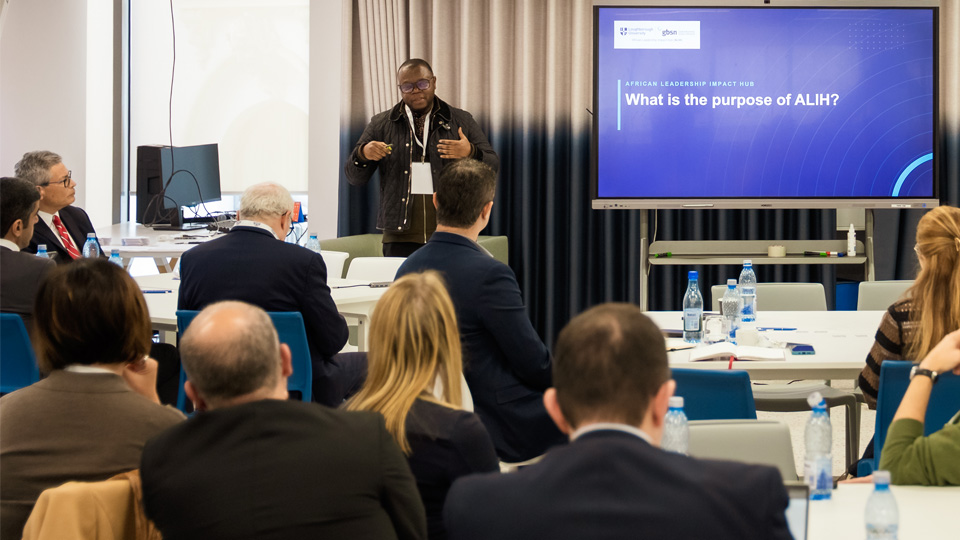
Dr Albert Attom presents to a room of listeners about the new ALIH.

Loughborough University is playing a leading role in developing the African Leadership Impact Hub (ALIH), a major pan-African initiative of the Global Business School Network (GBSN) designed to strengthen leadership systems across African organisations and institutions.

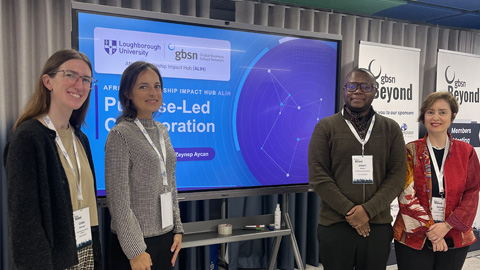
Dr Albert Attom and Professor Zeynep Aycan (Right) of Loughborough Business School stand beside a TV with two representatives of the GBSN.

In addition to developing leadership systems, the ALIH also explores how the ethical and responsible integration of digitalisation and artificial intelligence (AI) can enhance leadership effectiveness, empower organisational culture, and support responsible growth. 

ALIH brings together GBSN's international network of more than 160 member institutions across over 60 countries with Loughborough's expertise in leadership and organisational research. Loughborough University’s Dr Albert Attom and Professor Zeynep Aycan spearheaded ALIH, co-created by GBSN. The initiative aims to connect research, practice and policy to generate sustainable leadership effectiveness across Africa. Rather than focusing solely on individual leaders, the project adopts a systems-based approach, examining how organisational culture, institutions, governance structures and wider social, economic and technological contexts shape leadership effectiveness. 

ALIH brings together universities, businesses, governments, development organisations, researchers and practitioners to develop culturally grounded, evidence-based leadership approaches across Africa. The initiative examines what works and what needs improvement in African leadership, identifying which practices to preserve and strengthen. It also explores how digitalisation and AI can enhance leadership effectiveness and responsible organisational growth while safeguarding cultural values, human relationships, collective responsibilities and societal wellbeing. 

The first phase to validate the project idea involved organisations across Ghana, Nigeria, South Africa, Kenya, Morocco, Tanzania and Ethiopia, engaging stakeholders across the public, private and third sectors. Participating organisations included Wits, Strathmore University, Ashesi University, Lagos Business School, Rabat Business School, Ghana's National Youth Authority, Africa CDC, Wilkins Engineering Ltd, OD Institute, Leadership Development Consultancy and Girl Effect. 

ALIH is being developed around three interconnected pillars designed to translate evidence into practical impact. 

  • Impact Leadership Development Framework: Identify what works and what needs improvement in African leadership, developing culturally grounded approaches for the digital and AI age. 
  • African Leadership Diagnostic Toolkit: Develop evidence-based tools to assess and strengthen leadership systems, supporting digital transformation while preserving effective human-centred practices. 
  • Digitalised Leadership Knowledge Hub: Create a pan-African digital platform connecting leadership research, resources and collaboration to support knowledge exchange and organisational transformation. 
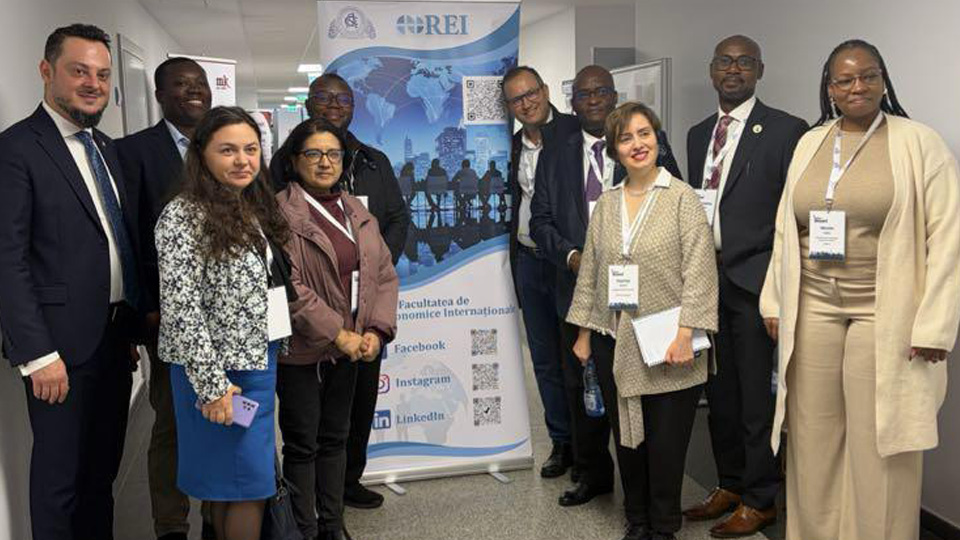
A group of people stood by a banner at the first meeting of ALIH members.

Dr Albert Attom, Programme Lead for ALIH at Loughborough University, said: 

“We aim to understand and strengthen effective African leadership practices while exploring how digitalisation and AI can address challenges and amplify existing solutions in an ever more interconnected world”.  

Professor Zeynep Aycan, Professor of International Business and Organisational Behaviour at Loughborough University and Chair of ALIH's Scientific Advisory Committee, added: 

“ALIH is aligned with the reimagined leadership definition that I am advancing, which states that leadership is the collective and ethical process of creating the conditions under which people (including those in formal and informal leading roles) can learn, contribute, and adapt together by fostering competence, shared accountability, humility, and relational trust in pursuit of purposeful and responsible progress.” 

Dan LeClair, Chief Executive Officer of GBSN, said: 

“Our ambition is not to prescribe a universal leadership model, but to understand the diverse contexts in which African leaders emerge and succeed, and translate these insights into more relevant and effective leadership development.” 

Yaw Adu-Brobey, Chair of ALIH's Executive Advisory Committee, added: 

“The real value of ALIH lies in how leaders and institutions apply the knowledge it generates into meaningful actions which change lives.” 

Following the successful completion of Phase One, Loughborough University and GBSN are collaborating with partners to advance ALIH from stakeholder engagement to implementation. At the recent GBSN conference in Bucharest, ALIH members held their first in-person meeting to discuss the initiative's next phase. 

This phase will deepen research into leadership across diverse African contexts, examining what works and what does not, while exploring how effective practices can be preserved and strengthened through digitalisation and AI. It will also bring together participating institutions and experts, strengthen scientific and practitioner advisory structures, and secure the partnerships and resources required to pilot the ALIH approach. 

Building on GBSN’s global network, ALIH will expand collaboration and knowledge exchange, bringing together African and international institutions to develop culturally grounded, evidence-based leadership approaches that drive innovation, organisational effectiveness and sustainable societal impact.