Semaglutide, also known as Wegovy, works by mimicking the GLP-1 hormone and has been shown to slow digestion and suppress appetite. Now researchers are launching a trial to explore if it could be used to help people with alcohol dependency, obesity and liver disease.
The four-year CURB (Controlling Unhealthy Relationships with Both alcohol and obesity) project is being funded by a grant of more than £2.7 million from a UKRI Medical Research Council and National Institute for Health and Care Research (NIHR) partnership. It will be co-led by the University of Plymouth, University Hospitals Plymouth NHS Trust, and the NIHR Biomedical Research Centre: Nottingham.
Loughborough University is among a network of partners supporting the project, bringing expertise in health research and helping to deliver the study across the UK.
Working with other UK partners, they will assess whether semaglutide does indeed reduce alcohol consumption in people with alcohol use disorder (AUD), obesity and liver disease.
If the trial is successful, it is hoped the drug could change the way alcohol-related liver disease and obesity are treated, helping to guide future care in the UK and beyond.
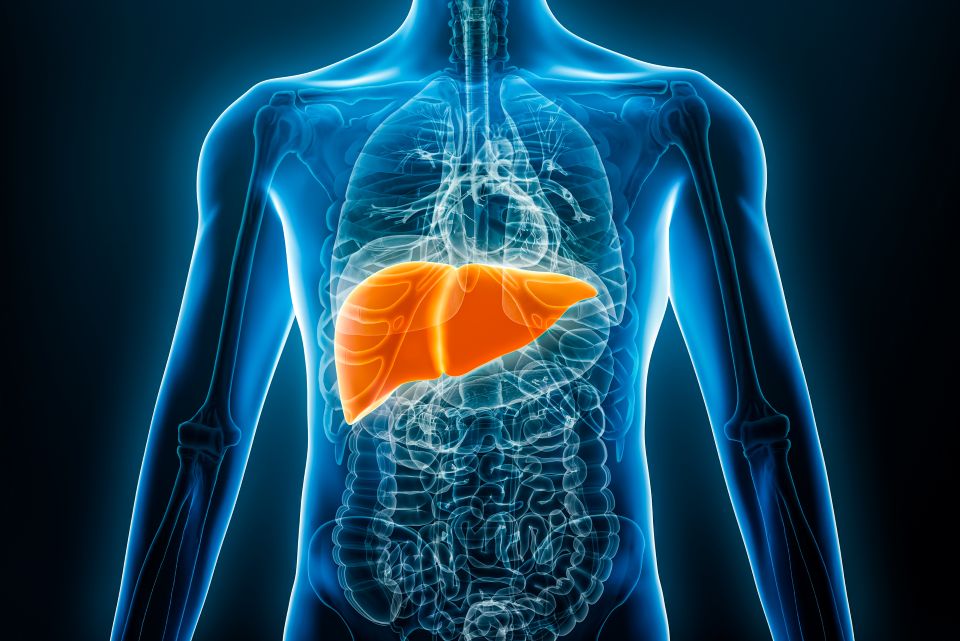
Alcohol use is one of the UK’s leading causes of death, costing the NHS £5 billion each year, and harmful drinking is the country’s main cause of liver disease. About half of those living with alcohol-related liver disease are obese, and the combination of alcohol consumption and obesity can speed up liver damage and death.
Speaking about Loughborough’s role in the project, Dr James King said: “It’s a privilege to be part of this exciting and groundbreaking collaboration. GLP-1 therapies have already transformed the treatment of obesity, but there is growing interest in whether their benefits could extend far beyond weight management. This trial offers a unique opportunity to explore whether these medicines can help address the interconnected challenges of obesity, alcohol use and liver disease. With patients and clinicians crying out for better treatment options, this research could provide important evidence on the potential of GLP-1 therapies to improve outcomes in a group with significant unmet need.”
Professor Ashwin Dhanda, Professor of Liver Medicine at the University of Plymouth and an Honorary Consultant Hepatologist at University Hospitals Plymouth NHS Trust, said: “We have an obesity epidemic in the UK. Clinicians see patients who are dependent on alcohol and are obese every day. But there is currently no treatment that targets obesity and alcohol use at the same time. From existing research we believe semaglutide has the potential to do that, improving the health and quality of life for tens of thousands of people and their families.”
Professor Guruprasad Aithal, Deputy Director and Director Designate of the NIHR Biomedical Research Centre (BRC); Nottingham, hosted by Nottingham University Hospitals NHS Trust, added: “The combination of alcohol and obesity act in synergy to speed up liver damage and death in patients, and both these conditions are difficult to treat with current medicines or counselling. Building on previous NIHR research, we bring together our experts in alcohol and obesity to look at a new way to treat both conditions at the same time. This approach was recently considered one of the top five research priorities by a group of patients and experts. It is very important that we seize this opportunity to try to address this epidemic of liver disease, which comes at a tremendous human cost in terms of its impact on both patients and their families.”
Starting in September 2026, the CURB trial will recruit 268 people with alcohol dependence, obesity and chronic liver disease from diverse backgrounds across England, Wales and Scotland.
Participants will receive either semaglutide or a dummy treatment over the space of 36 weeks, allowing researchers to see whether the drug can reduce alcohol use and lead to improvements in weight, liver health and quality of life.
The project has been shaped with input from, and will continue to be guided by, people who have lived experience of alcohol dependence, helping to make sure it is practical, inclusive and focused on participants’ needs.
Could weight loss drug benefit patients living with alcohol addiction, liver disease and obesity?
Key Points
- A four-year £2.7million research project will investigate whether semaglutide could become the first treatment to address these problems together
Scientists hope a weight loss drug already being used to treat obesity and diabetes could also benefit patients impacted by alcoholism and obesity, two of the biggest causes of liver disease.