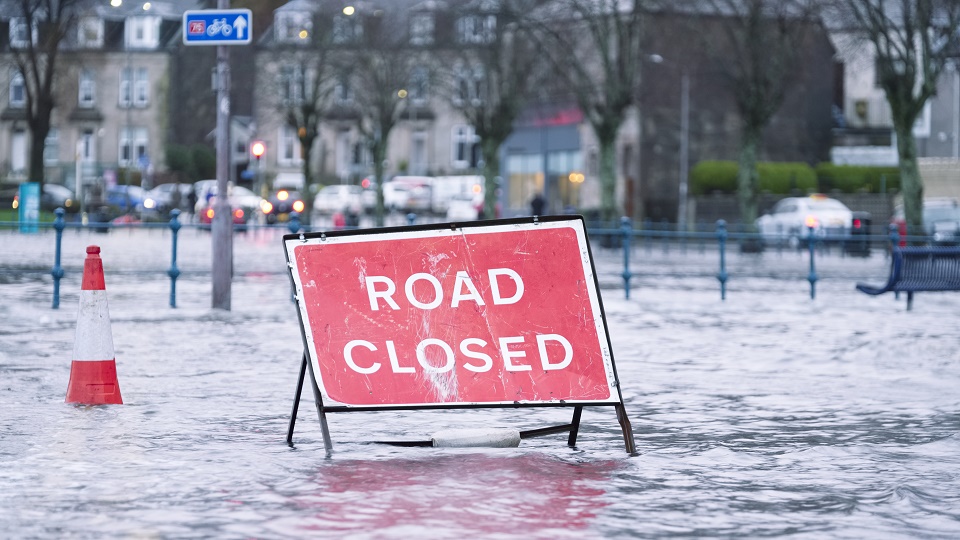
A flood warning on your phone tells you something, but often not very much you can act on. A shaded map, a river level at a gauge upstream or a percentage chance of flooding are useful, but they won't tell you what it will be like when water covers the road you use every day, when the school rings to say it's closing, or when someone wades through floodwater because it looks shallow enough to cross.
Knowing when and where flooding might happen is vital. Better monitoring, forecasting, modelling and warning systems help us to understand risk and give people more time to prepare. But information alone does not necessarily tell us what that risk means for our own lives. In the UK, 73% of people have not signed up to any flood alerts. To act on a forecast, people need to connect it to their own street, family and decisions they may have to make.
Stories are one of the best ways to do that. At Loughborough's Floodscapes research network and Storytelling Academy, we approach storytelling as a way of thinking – listening to experience, weighing it up and making sense of it. This process of co-thinking allows people to work through risk together, compare experiences and consider what they might do differently next time.
That matters for flooding, and for climate change more broadly, because both can feel too remote or too big to engage with. Our work explores how scientific knowledge and community storytelling can be brought together rather than treated as alternatives. A model can identify a school as being at risk, but pupils, parents and teachers can explain what closing it would mean. A flood map can show an underpass that is likely to fill, yet someone who lives nearby will tell you it is the route children walk home.
In our work with children and communities, participatory storytelling, creative approaches, and immersive 360-degree technologies have helped young people explore environmental risk through real people and real places. Our research shows the value of rooting abstract environmental challenges in experiences young people already know. Stories give people something to hang complex information on, explaining how this happened here, to people like us, and this is what it meant.
The aim is not to frighten people. Fear without a sense of what to do can leave people feeling helpless. Stories can instead help people picture themselves responding well, understanding a warning, knowing which route to avoid, and checking whether their home is at risk or making a household plan.
This is why we think flood education deserves more attention. Nobody should be working out what to do for the first time as the water is rising around them. Children and adults need regular opportunities to understand what warnings mean, recognise danger, know why walking or driving into floodwater is so risky, and understand what they can do before, during and after a flood.
Stories can help make that education stick. Research shows their potential to influence knowledge, attitudes and behaviour. Hearing what another family wished they had known, or which small action made a difference, gives preparedness advice a human context. When people remember it, and they are more likely to act on it.
There is a responsibility that comes with this, though. Communities affected by flooding are often asked to recount difficult experiences, sometimes repeatedly, and then see very little change. If we are going to ask people for their stories, we need to make sure those stories go somewhere.
That is the idea behind action-based storytelling. People's experiences should shape flood education and resilience planning; communities should help shape their own preparedness and lived experience should help policymakers see how decisions play out in everyday life.
Flood risk is changing. We will need better data, forecasts and infrastructure, but also people who can make sense of that information and know what to do with it. Stories, and the education they support, are one of the most practical ways of getting there before the water arrives.