As climate change increases the frequency and intensity of extreme weather events, flooding is becoming one of the UK's most significant environmental and societal challenges. Successive governments have committed to improving climate resilience, while local authorities, emergency services and community organisations are increasingly recognising the importance of helping people prepare for flood risks before severe incidents occur. Alongside investment in physical flood defences, there is growing policy interest in how place-based education, communication and community engagement can further improve resilience and enable people to respond more effectively to floods.
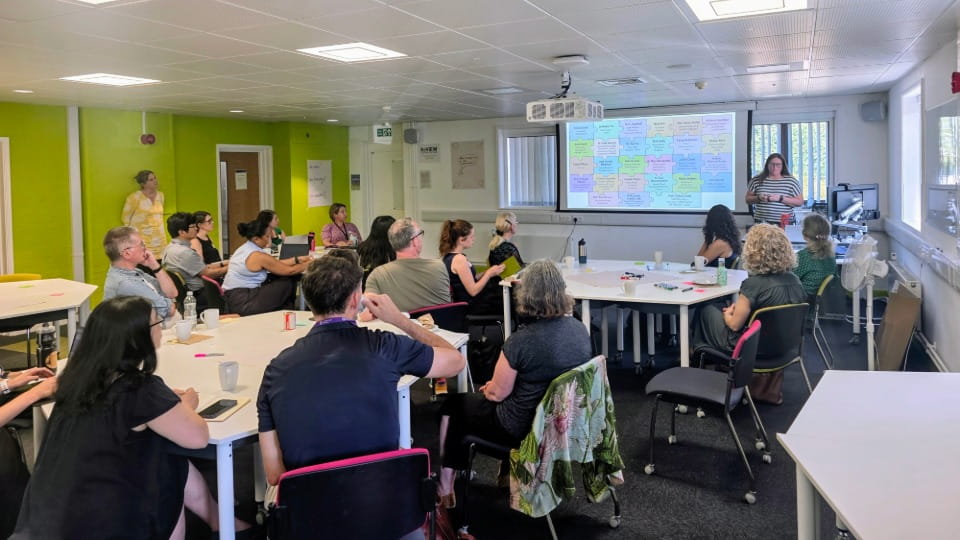
The workshop, hosted at Loughborough University, focused on what effective flood education could look like in practice. Participants examined how knowledge about flood risk is currently communicated, where existing approaches fall short, and how education could better support individuals, communities and public bodies to adapt to a changing climate.
The event brought together expertise from across research, government, the voluntary sector and flood management organisations to identify the key challenges facing communities and the opportunities for improving flood resilience. Through a series of discussions, participants explored how evidence can better inform policy and practice, while considering the role of schools, local authorities, community groups and national agencies in building long-term resilience.
The discussions highlighted a shared vision for improving flood education, identifying both the barriers that need to be overcome and the practical pathways towards meaningful change. Participants emphasised the importance of moving beyond reactive responses to flooding towards a more preventative approach, where education empowers communities to understand local flood risks, prepare for future events and strengthen their capacity to adapt to climate change.
The workshop also created opportunities to develop new collaborations between researchers and policymakers, reinforcing the importance of cross-sector partnerships in addressing complex environmental challenges. Insights from the discussions will help shape future research, strengthen partnerships between academia and policymakers, and contribute to the development of evidence-based recommendations that can inform flood resilience policy and practice across the UK.
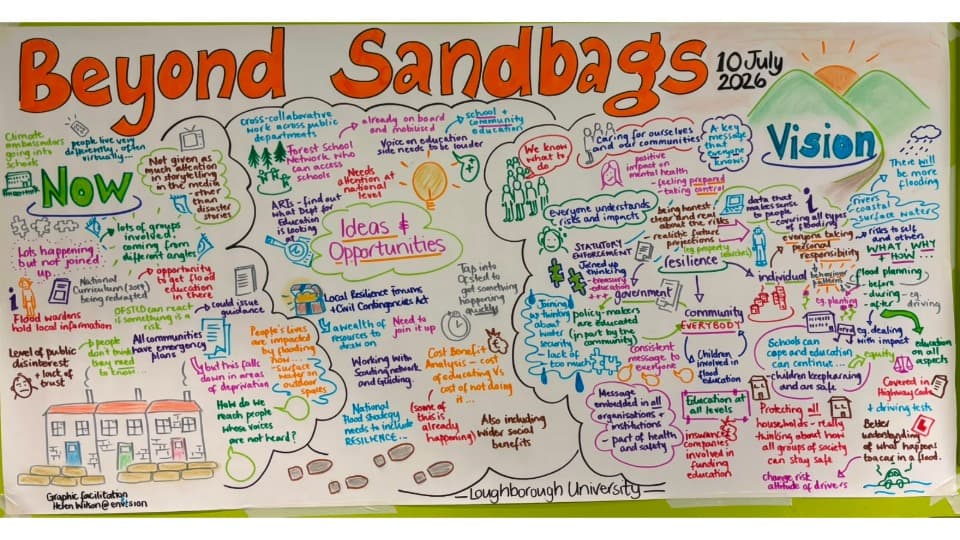
Following the workshop, Dr Parsons said: “Flood resilience starts long before the water arrives and is becoming part of life for more and more communities, yet too many people still don’t know what to expect or what to do in a flood when it happens, be that at home or when travelling. We urgently need flood education for everyone – starting early and continuing across communities.
"Through this work and our recently launched Floodscapes Research Network initiative at Loughborough University, we want to help make that a reality. This policy roundtable highlighted to participants the urgent need to address gaps in flood education, and the importance of working with partners to turn that into meaningful change.”
Dr Parsons' research focuses on how education, communication and public engagement can support environmental resilience and climate adaptation. Her work examines how people understand and respond to environmental risks, with a particular interest in ensuring that research evidence informs practical policy solutions. Through collaboration with policymakers, practitioners and communities, she seeks to develop approaches that strengthen resilience to climate-related hazards while supporting more inclusive and effective environmental decision-making.