After five years working in architecture, Loughborough University offered the chance to realign my career with the impact I wanted to make. I loved creativity, but I became increasingly drawn to how buildings and technology influence people’s health and wellbeing. To make the contribution I aspired to, I needed a stronger understanding of how ideas scale, how systems work and how to lead projects beyond architectural practice.
Loughborough appealed to me for its practical, applied approach to business education and strong entrepreneurial ecosystem. The MSc Management felt like the perfect bridge between the discipline I had developed in architecture and the world of strategy, leadership and innovation, allowing me to translate my skills into a broader commercial context.
My brand, Freeater, grew from personal experience. My dad is gluten intolerant and vegetarian, and my gran is lactose intolerant, so I saw first-hand how confusing food information can be. Many tools felt limited or difficult to use, and I wanted to build something that genuinely helped people make safe, confident choices. That mission became the foundation of Freeater.
Balancing early app development with my MSc was demanding, but the two journeys naturally supported each other. The programme became a real-time testing ground where theory fed into practice - from market research to systems thinking to digital strategy. I never felt like I had to choose between studying and running the business; each strengthened the other.
My experience at Loughborough Business School exceeded expectations. The teaching was exceptional, and the culture encouraged both ambition and reflection. Building a startup meant I could bring real challenges into coursework, group projects and consultancy tasks, making many modules feel like extensions of my day-to-day work.
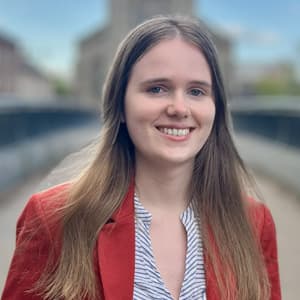
Pivoting away from architecture wasn’t easy. It came with questions about identity and uncertainty about the future. But being honest about the kind of impact I wanted to make helped me move forward with confidence. Navigating that transition while building something from the ground up strengthened my resilience and confirmed that I was moving toward a more meaningful path.
I particularly valued how connected the modules were. Information Systems and Management encouraged me to think about how businesses grow and how technology supports decision-making. The emphasis on critical thinking and practical insight shaped how I approached Freeater and improved my choices as a founder.
Achieving a Distinction and receiving the Top Student Prize for Management was a moment I am hugely proud of. I credit it to consistency, curiosity and drawing on real entrepreneurial experience throughout the programme. My architecture background also influenced how I approached problems; blending design thinking with management theory often opened new perspectives.
The support I received from lecturers was outstanding. They were approachable, invested in my development and willing to engage with the real challenges I faced while growing Freeater. Their support went beyond academics; they genuinely care about students’ long-term goals.
Returning as a guest lecturer was a surreal full-circle moment. Delivering a session on ‘Starting Up in the Digital World’ allowed me to share honest, practical insights, from validating ideas, to navigating uncertainty and using digital tools effectively. My aim was to give students a realistic but empowering view of entrepreneurship.
For anyone considering a career pivot or balancing studies with entrepreneurship, my advice is not to wait for the perfect moment. Clarity comes from action. When I applied for the MSc, I had no idea I would build Freeater, but saying yes created the opportunity for everything that followed. Balancing both was challenging, but with intention and perseverance, it became one of my proudest achievements.
Since completing my studies, Freeater has a growing community. Further success as Regional Finalists at The Pitch, pitching at Ideas Fest, to an esteemed panel and seeing how many people connect with our mission has been incredibly motivating. I have also written a children’s book called, ‘Alex and the Foods That Feel Good’, inspired by my dad, aimed at supporting children who are going through a similar journey, helping them understand that food differences are OK.
I’ve always had a mix of skills that didn’t fit neatly into one traditional career path. Entrepreneurship has brought them together naturally.
My advice to prospective students is to get involved early and embrace opportunities, even if they feel daunting. The value is in the experience, not perfection. Network widely, your peers, lecturers and visitors form a supportive ecosystem that many overlook. And if you are considering starting a business, university is one of the best places to try, learn and grow.
Loughborough’s ethos of ‘Progress with Purpose’ deeply resonates with my journey. For me, it means moving forward with intention and aligning choices with the impact you want to create. My move from architecture to entrepreneurship was rooted in asking “why” at every stage, and that mindset continues to guide me today.