Not all physical activity is equal when it comes to protecting the brain from dementia. Where and why we move may matter more than most people realise.
A large new review of studies published in The Lancet Public Health found that leisure-time physical activity – such as sport, dancing or going to the gym – was linked to a 24% lower risk of dementia. Housework was linked to a 15% lower risk, although this finding came from just one study.
Occupational physical activity, on the other hand, was linked to a 20% increased risk of dementia.
The study compiled data from 74 studies involving more than 4.2 million people in 30 countries, making it one of the largest studies of its kind.
Brain protection is well established
Physical activity may protect the brain in several ways. It improves blood flow, helping to deliver oxygen and nutrients to the brain. It also causes muscles to release molecules that can reduce inflammation, help the brain use energy and encourage the growth of new brain cells.
That is one reason why reducing physical inactivity is a key part of the World Health Organization’s recently updated dementia prevention guidelines.
There is plenty of evidence that being active can help protect against dementia. A UK Biobank study tracked people’s activity using wearable devices for four years. Even less than 35 minutes of moderate-to-vigorous activity a week was linked to a 41% lower risk of dementia compared with no such activity.
More vigorous exercise – the kind that leaves you too breathless to talk – was linked to a 63% lower risk of dementia compared with being inactive.
Meanwhile, the English Longitudinal Study of Ageing followed people for 17 years and found that the more active people were, the lower their risk of dementia. The most active group had about half the risk of the least active group.
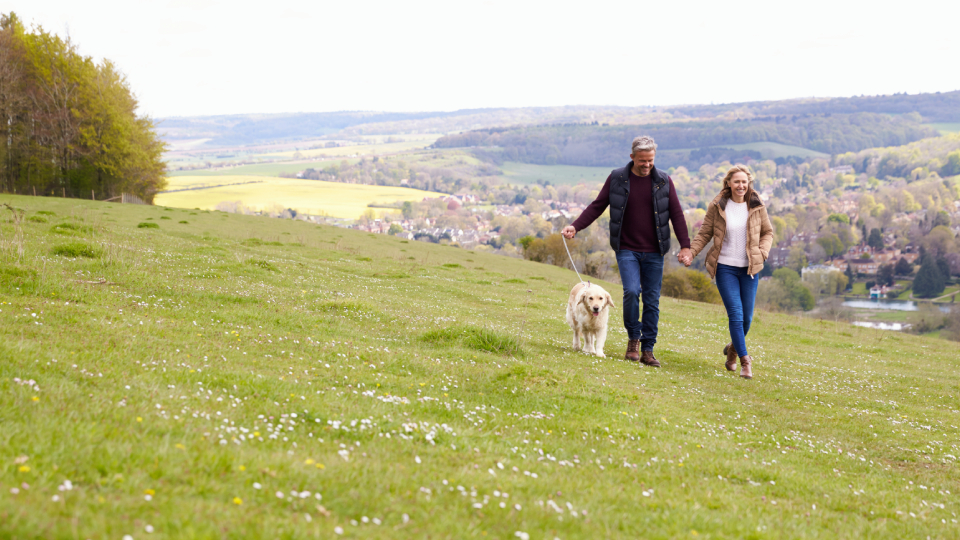
Walking outdoors – even as little as two miles a day – and gardening have also both been linked to a 25 to 36% lower risk of dementia.
But the new Lancet study suggests that physical activity at work or while travelling to work may not offer the same protection. It may even be linked to a higher risk of developing dementia.
Physical activity paradox
Physical activity at work, based on the combined data from five studies, was linked to a 20% higher risk. And active commuting, such as walking or cycling, based on just two studies, was linked to a 10% higher risk.

Continues...
The full article can be found on The Conversation.