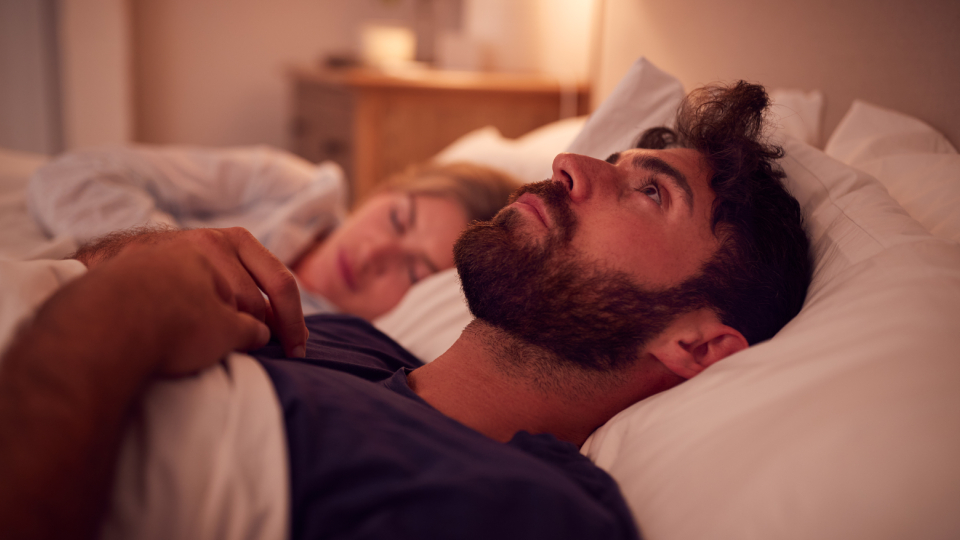
Insomnia may have been torturing humanity since ancient times, but over the last 20 years scientists have made progress in their understanding of chronic sleep deprivation.
Today, sleep deprivation is one of the most widespread reported psychological problems in Britain, with about a third of the adult population in England reporting frequent insomnia symptoms.
Insomnia rarely occurs on its own, which brings us to one of the biggest changes scientists have made in our understanding of chronic sleep deprivation. The vast majority of people with insomnia often have other mental and physical health conditions, like diabetes, hypertension, chronic pain, thyroid disease, gastrointestinal problems, anxiety or depression.
In its diagnostic history, insomnia coupled with another illness or disorder was called secondary insomnia. That meant that insomnia was considered a consequence of those other underlying conditions. As such, until fairly recently clinicians did not generally attempt to treat secondary insomnia.
But in the early 2000s, both research and clinical practice evidence started to indicate that this approach was wrong. Scientists argued that insomnia could precede or long survive a primary condition. Abandoning this distinction between primary and secondary insomnia was a major advance in acknowledging that insomnia frequently was an independent disorder, requiring its own treatment.
What’s more, researchers have been accumulating strong evidence that helping people with their sleeping problems could actually lead to improvements in their other health conditions. Chronic pain, chronic heart failure, depression, psychosis, alcohol dependency, bipolar disorder, PTSD, can all improve for patients if they address their sleeping problems.
Who gets insomnia?
Over the past two decades, we have acquired more rigorous and international data illustrating how ubiquitous insomnia is. Insomnia affects almost everyone, though women, older people, and people of lower socio-economic status are more vulnerable to it.
These groups experience a combination of biological, psychological and social risk factors that expose them to long-term sleep-disruption. For example, women often experience acute hormone fluctuations, pregnancy and birth, breastfeeding, menopause, domestic violence, caregiving roles, higher prevalence of depression and anxiety – all of which can lead to more opportunities for prolonged sleep disruption.

Article continues on The Conversation: https://theconversation.com/how-scientists-changed-their-view-of-insomnia-279585