New study raises concerns over use of weight-loss drugs in elite sport

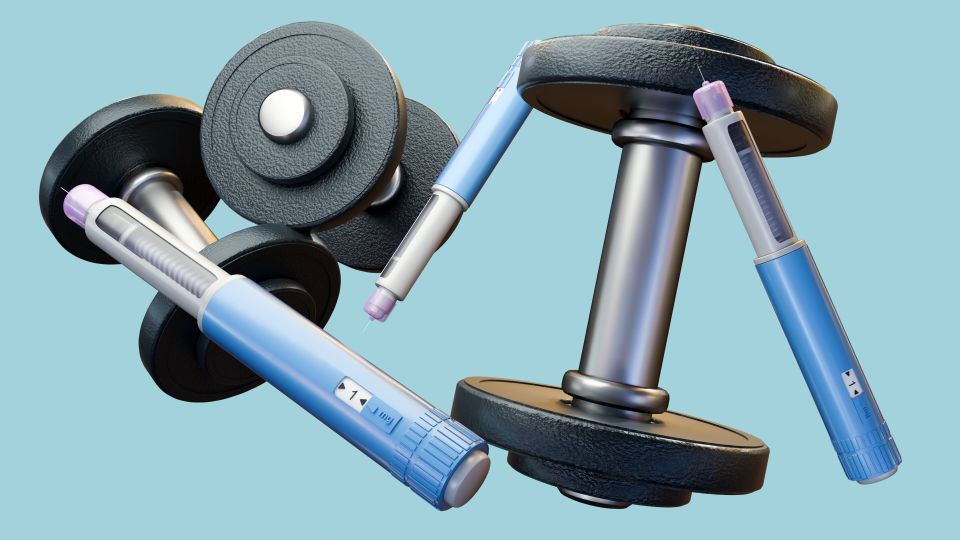
Dumb bells and weight-loss drug injector pens

Key Points

  • Researchers surveyed 114 sports medicine physicians from 38 countries, covering 93 different sports.
  • 12% of those surveyed were aware of athletes using GLP-1 drugs without a medical need.
  • Physicians identified weight management to meet weight limits and assist weight loss after injury as the main reason athletes may use the drugs.
  • Concerns focused on athlete health, welfare and potential performance effects.
  • 44% supported eventually prohibiting GLP-1 drugs in sport, while 38% were undecided.
  • Researchers recommend education, monitoring and further research rather than an immediate ban.

A new international study – led by Loughborough University – has raised concerns about the use of GLP-1 weight-loss drugs, including Ozempic and Mounjaro, in elite sport, with experts calling for greater education, monitoring and research.

Researchers surveyed 114 sports medicine physicians from 38 countries, covering 93 different sports, to explore their views on the use of GLP-1 drugs by athletes. Twelve per cent said they were aware of athletes using the medications despite having no medical need for them.

Physicians most frequently indicated that they believed athletes would consider using GLP-1 drugs to lose weight quickly to meet weight classifications and to manage weight following injury. However, concerns were raised about the potential impact on performance and athlete health, particularly because the drugs suppress appetite and could reduce energy intake leading to metabolic and hormonal health issues.

The study found ‘moderate concern’ among physicians about the non-medical use of GLP-1 drugs in sport, both in terms of potential performance benefits and athlete health and welfare.

While 44% of those surveyed believed GLP-1 drugs should eventually be prohibited in sport, 38% were unsure. Among those supporting a ban, concerns about athlete health and potential harm were the most common reasons given.

The researchers also found evidence that sports medicine physicians were aware of  use across a range of sports, including weight-sensitive sports such as cycling, aesthetic sports such as artistic swimming, physique-focused disciplines such as bodybuilding, and endurance sports including swimming.

Speaking about the findings, lead academic Dr Daniel Read said: “We need to take a measured, evidence-based approach to GLP-1 drugs in sport. At present, there simply isn’t enough evidence about their effects on athletic performance, health and long-term wellbeing to justify an immediate ban.

“Instead, we should focus on educating athletes, coaches and support staff about the potential risks, improving monitoring and investing in research to better understand their impact. It’s also important that athletes with a genuine medical need have clear and appropriate pathways to access these medications safely.”

The paper – A Cross-Sectional Survey of Sport Physicians’ Perceptions of Glucagon-like Peptide-1 Drug Use 1 in Sport – has been published in the journal, Sports Medicine.

Press Release Reference: PR 26/181

Loughborough is one of the country’s leading universities, with an international reputation for research that matters, excellence in teaching, strong links with industry, and unrivalled achievement in sport and its underpinning academic disciplines. 

It has been awarded five stars in the independent QS Stars university rating scheme and named the best university in the world for sports-related subjects in the 2026 QS World University Rankings – the tenth year running. 

Loughborough has been ranked eighth in the Complete University Guide 2027 – out of 130 institutions. The achievement means Loughborough remains among a select group of universities that have maintained a top 10 position for more than 10 consecutive years, alongside Oxford, Cambridge, the London School of Economics, St Andrews, Durham and Imperial.

Loughborough was also named University of the Year for Sport in the Times and Sunday Times Good University Guide 2025 - the fourth time it has been awarded the prestigious title. 

In the Research Excellence Framework (REF) 2021 over 90% of its research was rated as ‘world-leading’ or ‘internationally-excellent’. In recognition of its contribution to the sector, Loughborough has been awarded eight Queen Elizabeth Prizes for Higher and Further Education. 

The Loughborough University London campus is based on the Queen Elizabeth Olympic Park and offers postgraduate and executive-level education, as well as research and enterprise opportunities. It is home to influential thought leaders, pioneering researchers and creative innovators who provide students with the highest quality of teaching and the very latest in modern thinking.