Course structure and teaching
Structure
The way in which your course is structured depends on if you are studying a BEng, or MEng, and whether or not you decide to take a year out in industry.
Course structure
| Year | MEng | MEng (DIS) | BEng | BEng (DIS) |
|---|---|---|---|---|
| 1 | Part A | Part A | Part A | Part A |
| 2 | Part B | Part B | Part B | Part B |
| 3 | Part C | Industrial placement | Part C | Industrial placement |
| 4 | Part D | Part C | Part C | |
| 5 | Part D |
The BEng and MEng courses have a common base and during the first year, all students are taught the same fundamental material. This provides you with the flexibility to transfer, either at the end of Part A (year one) or in some cases at the end of Part B. It also means that if you enter the Department on a BEng course, you could change to an MEng if your first year performance is good.
Teaching
The academic year is divided into two fifteen week semesters each comprising twelve teaching weeks, followed by exams. The courses are divided into modules and you will take the equivalent of six modules each semester. Holidays are at the end of the traditional terms in December, March/April and June.
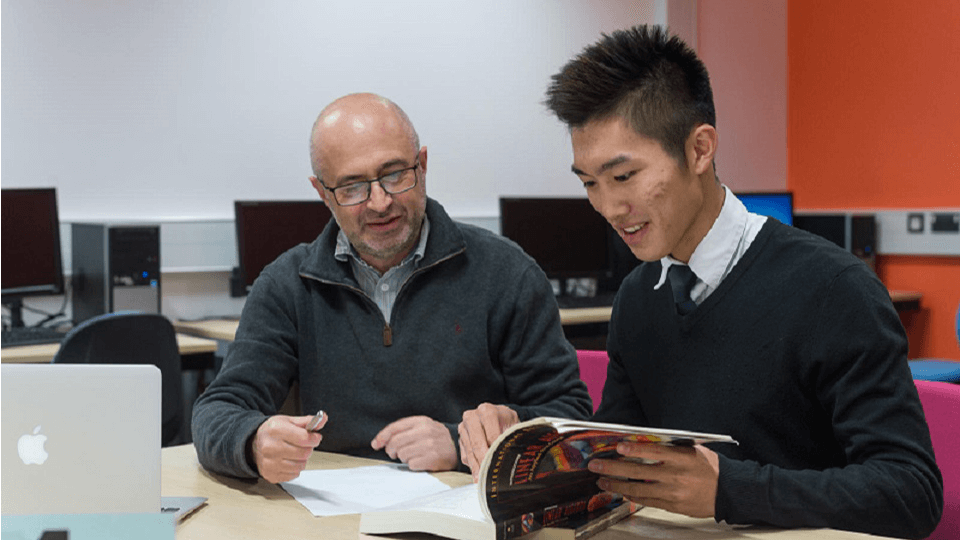
You will be taught through a combination of lectures, tutorial classes, laboratory practicals, projects and seminars. By attending lectures, students are taught the basic concepts and principles of a particular topic. Tutorial classes involve smaller groups and are an opportunity to tackle problems and reinforce understanding of the subject.
During the first year, Materials students will have an average of 23 hours per week of contact time with academic staff.
Read more about our different courses »
Student Charter
As part of the University's aim to provide an unrivalled teaching and learning experience the Student Charter has been developed with students and staff to set out their commitment to provide the highest quality of educational experience and the widest opportunities for all students.
Read more about the Student Charter »
Learning support
Studying at university is quite different to learning at school or college. To help you adjust to this new learning environment, all of our students have a designated personal tutor with whom they meet on a regular basis. The University also offers additional support through the Maths Learning Support Centre. If you need extra support in maths or want to improve your grades, there are regular drop-in surgeries where one-to-one help is available, as well as additional resources designed specifically for engineering students.