Last October, the Peter Harrison Centre (PHC) welcomed ten new doctoral researchers, marking an exciting step in the continued growth and evolving scope of the Centre’s research. As their projects begin to take shape, we are delighted to showcase the wide range of academic backgrounds, professional experiences, and shared curiosity that each new researcher brings to the PHC community.
To help everyone get to know our newest cohort, we are sharing a short series of introductions. Each feature spotlights one doctoral researcher, offering insight into their journey to doctoral study, their previous experience, and the questions driving their PhD research.
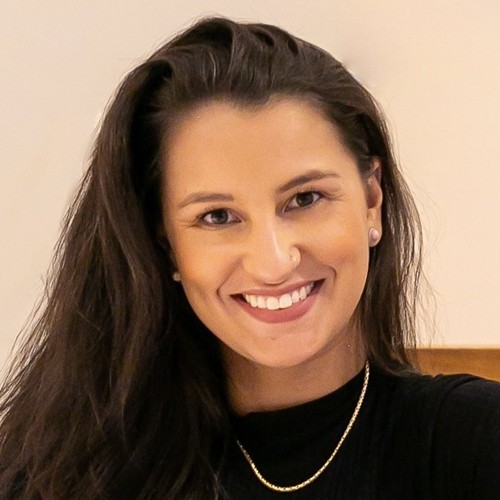
This is the third article in the series and introduces Natália Moura.
Natália completed her undergraduate degree in Psychology and Business Administration, followed by postgraduate specialisation in Sport Psychology and Neuroscience. Her academic and applied background spans cognitive training, sleep, and performance optimization across athletes, executives and clinical populations.
Prior to starting her PhD, Natália worked across diverse applied settings, including cognitive health clinics, high-performance sport environments, functional training centers, and corporate HR analytics. She also collaborated with para-athletes through applied projects focused on brain health and performance, strengthening her interest in Paralympic sport.
Natália began her PhD at Loughborough University in October 2025 as part of the Parafit2032 project, investigating travel, sleep and fatigue in Paralympic athletes. In her work, Natália is particularly interested in developing an in-depth understanding of the competitive travel journey of athletes, examining how repeated travel demands, sleep disruption and cumulative fatigue interact to influence performance. Her research focuses on capturing fatigue as a dynamic, multi-dimensional process across the competition cycle, with the goal of translating this knowledge into practical, evidence-based strategies that support performance, recovery and athlete well-being in elite and Paralympic sport.
Over the coming weeks, we will continue to introduce the rest of our doctoral cohort. Each profile offers a closer look at the people behind our research and the ideas shaping the future of the Peter Harrison Centre.
Look out for the next introduction soon.