Professor Hudson’s research evidence
Professor Hudson recently joined Loughborough University as a Professor of Medical Sociology, joining from De Montfort University where she led the Centre for Reproduction Research.
Her written evidence answered seven questions that the Inquiry is seeking answers to. In her submission, Professor Hudson drew on extensive research from the ESRC-funded EDNA study which addresses key concerns around egg donation and freezing. She emphasised that while short-term physical effects of hormonal stimulation are well documented, there is little evidence of long-term physical harm, and existing research shows little negative psychological outcomes for donors. Most donors report positive experiences, a strong sense of responsibility, and satisfaction with their decision to donate.
Her evidence also challenged common assumptions around exploitation and financial motivation in the UK, noting that compensation at current levels is not a primary driver of donation but helps ensure donors are not left out of pocket. She found no evidence that vulnerable women are being encouraged into egg donation or egg freezing in the UK. Overall, Professor Hudson described the UK’s regulatory framework as robust and internationally respected, while identifying scope for improvement in counselling tailoring and the clarity of clinic advertising.
Oral evidence to the Committee
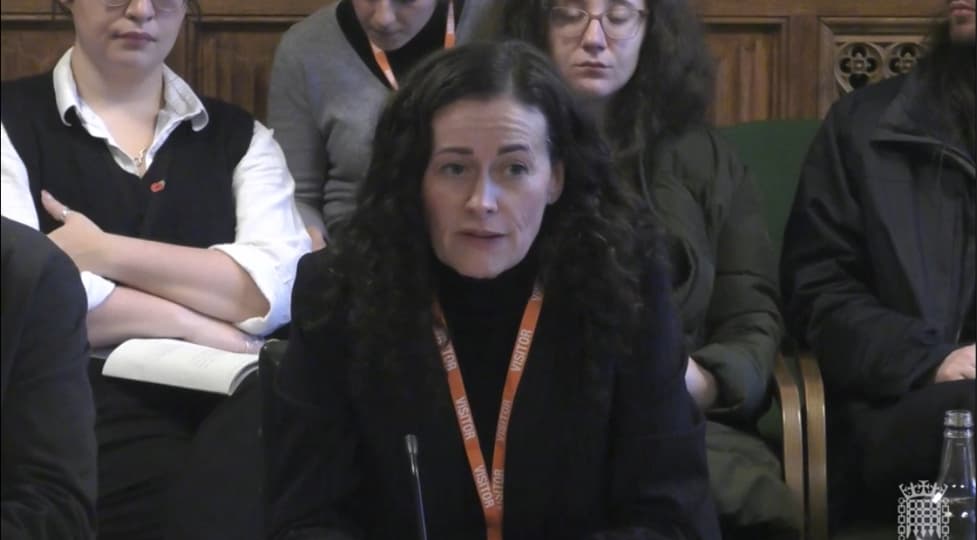
Professor Hudson appeared before the Committee alongside Professor Petra Nordqvist, Professor in Sociology and Co-Director of Morgan Centre at The University of Manchester; Dr Giulia Cavaliere, Lecturer in Engaged Philosophy at University College London; and Mr Timothy Bracewell-Milnes, Consultant Gynaecologist and subspecialist in Reproductive Medicine and Surgery at Lister Fertility Clinic.
The evidence session, the first oral session of the Inquiry, focused on the strengths and challenges of the UK’s regulatory system for fertility and donation, including how it compares internationally. Drawing on her expertise, Professor Hudson addressed questions on compensation, advertising and broader regulatory safeguards.
Nicky highlighted the importance of providing robust advice and counselling for egg donors. With legal changes allowing donor‑conceived people to make contact and the increasing use of DNA technologies that can reveal biological connections, she emphasised the need for donors to understand the long‑term implications of donation. This is also the focus of her current research.
The session also explored the impact of an increasingly digital landscape on both donors and people seeking fertility services. MPs questioned Professor Hudson and other witnesses about targeted advertising, particularly on social media, and the implications this has for donor motivations and the safety and credibility of services being promoted, particularly around the safety of some services.
Committee members raised concerns that financial pressures might be driving people to donate eggs. Referring to her written evidence and existing research, Nicky explained that there was no indication this was occurring, though it is something for policy makers to be mindful of.
Further discussion in the evidence session covered the demographics of egg donors, the risks and considerations associated with importing eggs from overseas, the growing numbers of egg banks, and the uneven availability of NHS-funded fertility treatment across the UK.
A transcript of the evidence session can be found on Parliament's website.