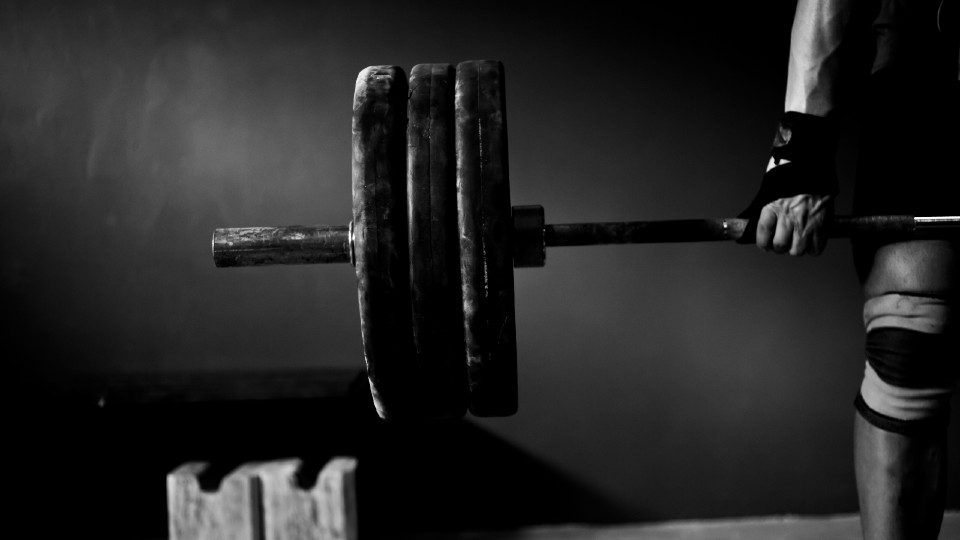
More than one quarter of young adults in Britain now say their gym memberships matter more to them than holidays or eating out.
Sport England data shows that Gen Z has begun to turn away from running, swimming and fitness classes towards gym and strength training. For them, weight training is seen as the best form of exercise because it can help build strength, improve appearance and boost overall health.
People have argued about the best forms of exercise for over two centuries. While today’s fitness trends tend to be more about improving the body and overall fitness, health has rarely been the sole reason why certain exercise trends gained popularity through the eras.
Napoleon and gymnastics
In 1806, Napoleon Bonaparte invaded Prussia and, inadvertently, created the modern fitness industry.
As Napoleon’s troops stormed their way eastward, one Prussian man, Friedrich Ludwig Jahn, began to seethe with anger. For Jahn, Prussian men had lost because they were physically weaker than the French.
The nation’s solution, according to Jahn, lay not in muskets – but muscles. So in 1811 Jahn opened a Turnplatz – an open-air gymnasium. Young men ran, jumped, climbed ropes, wrestled and vaulted. They also swung on two pieces of equipment that Jahn is believed to have invented: the parallel bars and the horizontal bar. Soon the trend spread to other nations, with England’s first outdoor gymnastics school opening in 1825.
The underlying logic behind Jahn’s Turnplatz system – that strong nations demanded physically strong troops – became a rallying cry for a wave of gymnastic and calisthenic systems for men and women across the century.
The birth of bodybuilding
A popular form of entertainment in the Victorian era were strongmen shows, where muscular men would perform theatrical acts of strength. One of the most popular performers of the time was Charles “Samson” Sampson, whose act involved snapping chains with his chest.
But in 1889, a new kind of strongman arrived on the scene. During one of Sampson’s performances, a moustachioed strongman named Eugen Sandow stripped down to his pants in a London theatre, responding to a challenge from Sampson. But what made Sandow different from Sampson and other strongmen of the era was his physique. He was lean and sculpted.
From 1889 until his death in 1925, Sandow became synonymous with the ideal body. He was deemed the “best specimen of manhood” by Harvard University physical educationalist Dudley Sargent. Sandow hosted the first major bodybuilding contest in London in 1901 and ran a health enterprise which spread across the British Empire, the Americas and Australasia. Thousands followed his mail-order courses, read his magazine and drank his cocoa.
Those lifting dumbbells and barbells to build their bodies like Sandow classed themselves as “physical culturists” in the same way that modern trainees may define themselves by Pilates, Hyrox or weight training.
Following Sandow and others, people trained for health but they also trained to become better workers, better spouses, to be more attractive or dynamic.
Although the state still mattered – Sandow even trained British troops for the second South African war – the emphasis slowly shifted to building the body for its own sake...
Continues…

For the full article visit the Conversation.
