The study, led by Dr Lee Taylor and Doctoral Researcher Kate Markey (who will be the dedicated researcher on the project), will be delivered in partnership with Aspetar Orthopaedic and Sports Medicine Hospital in Qatar.
The findings will provide the scientific evidence needed to help inform future athlete welfare recommendations and competition policy, as climate change increases the frequency of elite sporting events held in hot environmental conditions.
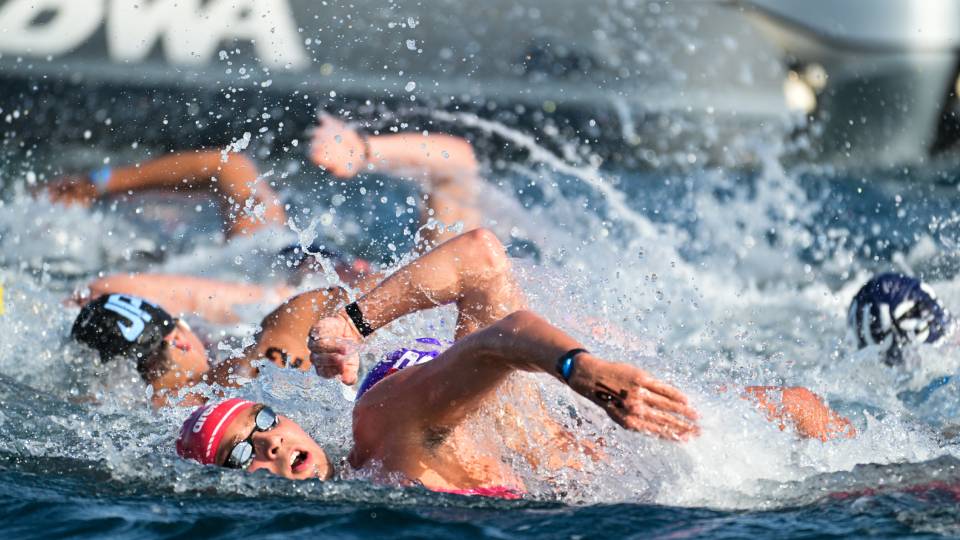
The need for this research was highlighted during the Open Water Swimming competition at the World Aquatics Championships 2025 in Singapore, where water temperatures approached the sport's current upper competition limit of 31°C. With bodies of open water sometimes prone to rising temperatures, there is a clear need to gather more insights on how elite swimmers physiologically respond when competing in these conditions.
Going significantly beyond previous laboratory-based studies, the research will be conducted during World Aquatics competitions, allowing scientists to collect physiological data in real-world racing environments.
Researchers will continuously monitor swimmers' core and skin temperatures using ingestible telemetry and wearable sensors, alongside heart rate, body composition, environmental conditions and athletes' perceptions of thermal stress. This comprehensive approach will provide the most detailed understanding to date of how elite swimmers respond to competition in warm-water environments.
Dr Lee Taylor, Reader in Exercise and Environmental Physiology at Loughborough University, said: “Protecting athlete health depends on ensuring that competition rules evolve alongside the best available scientific evidence. While elite open water swimming is increasingly taking place in warmer environments, there remains a significant gap in our understanding of how athletes physiologically respond during genuine international competition.
“This project gives us a unique opportunity to collect real-world evidence that will help World Aquatics further strengthen athlete welfare, inform future competition policy, and support the safe delivery of events in increasingly challenging environmental conditions.”
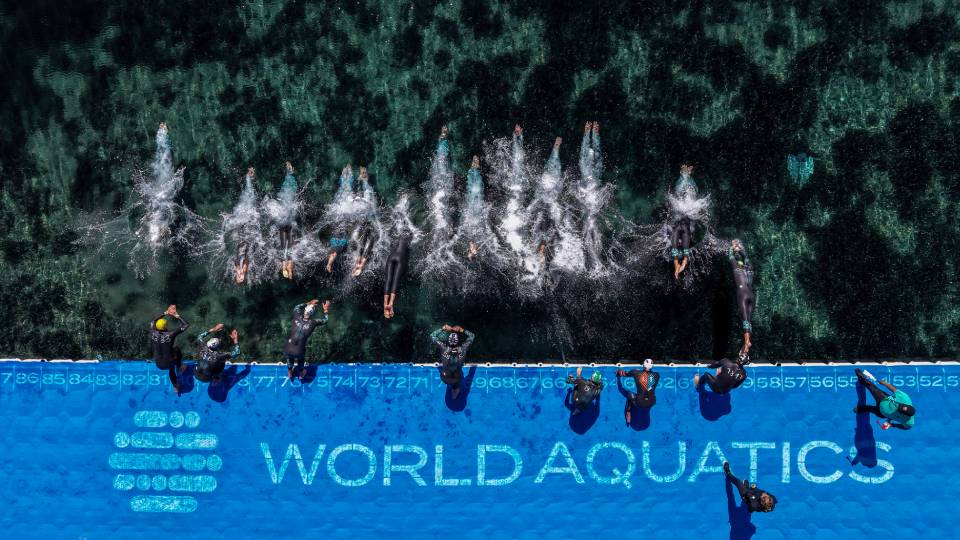
Image provided by World Aquatics.
Kate Markey added: “Our previous research with European Aquatics demonstrated how differently elite swimmers can respond, even when competing in the same race and water temperature. This World Aquatics project provides an important opportunity to build on that work by collecting detailed physiological data in the warmer water conditions where evidence is currently most limited.
“Conducting research during genuine international competition is challenging, but it is essential if we are to understand what swimmers actually experience and translate those findings into meaningful guidance. I am extremely grateful to the athletes who have supported our research so far, and I look forward to working with swimmers, World Aquatics and the wider research team to help improve athlete health and safety.”
Dr Kevin Boyd, Chairperson of World Aquatics Sports Medicine Committee, said: “World Aquatics competitions are built on the foundations of athlete safety. Understanding how elite swimmers cope with warming water conditions is essential to protecting them now and in the future.
“Partnering with Loughborough University and Aspetar gives us access to world-class expertise, and by gathering data during real competition rather than in the lab, we will have the most accurate picture yet of what our athletes are experiencing. This research will directly inform how we protect swimmers and shape the future of Open Water Swimming competition as the sport grows.”
The project builds on Loughborough's internationally recognised programme of research in athlete thermoregulation and heat stress, including previous collaborations with World Athletics, European Aquatics and other international sporting organisations. The resulting evidence will support World Aquatics in further strengthening athlete health protection while helping event organisers prepare for competitions held in increasingly challenging environmental conditions.
The study is due to commence in early 2027. For further insights from Dr Taylor, follow him on X (@DrLeeTaylor) or LinkedIn.