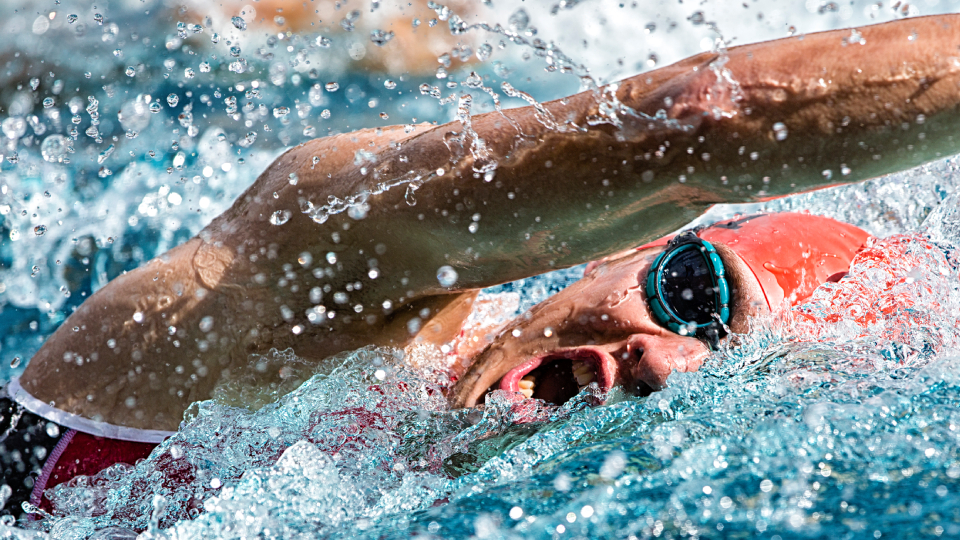
Las Vegas has always had a reputation for doing things bigger, louder and glitzier than everyone else. On Sunday, May 24 2026 it continues that tradition when the inaugural Enhanced Games take place at a purpose-built entertainment centre at Resorts World, a giant hotel complex on the city’s famous strip.
A one-day sports competition showcasing just three disciplines, the Enhanced Games openly embrace the use of legal performance-enhancing drugs (PEDs) and technological advances that maximise human potential.
Conceived by London-based entrepreneur Aron D’Souza and backed financially by billionaires Peter Thiel, Christian Angermayer and Donald Trump junior, the one-day extravaganza will see 42 athletes competing in swimming, track athletics and weightlifting.
With substantial appearance fees and an unprecedented US$25 million (£18.6 million) in prize money – including US$1 million bonuses for breaking world records – the lucrative payouts have attracted some big names. These include Olympic medallists Cody Miller and Ben Proud for swimming; Olympic medallist Fred Kerley for track; and record-breaking weightlifter Thor Björnsson.
The Enhanced Games has drawn widespread criticism from international and Olympic sport. The World Anti-Doping Agency (Wada) has labelled them a “dangerous and irresponsible concept”, threatening to test athletes involved to “protect the integrity of legitimate sport” – despite the majority being retired from traditional sport. Wada also urged US authorities to shut down the games – which evidently didn’t happen.
The International Olympic Committee (IOC) also issued a formal statement calling the games “utterly irresponsible and immoral … a betrayal of everything we stand for”. Travis Tygart, CEO of the US Anti-Doping Agency dismissed the Enhanced Games as “a dangerous clown show”.
In response, D’Souza argues that Wada is hypocritical and points to Olympic corruption scandals, claiming the Olympics are no longer fit for purpose. Other supporters have also promoted the idea of self-determination, and the need to break free of the IOC’s rules and regulations.
As sport researchers, we might be tempted to dismiss the event as a publicity stunt. However, based on our ongoing research into Olympic swimmers and coaches’ perceptions of the Enhanced Games (we have spoken to more than 20 so far), we believe the event is symptomatic of bigger issues. It represents a critical inflection point, and a unique opportunity to reflect upon the current shortcomings of traditional sport.
Continues...

For the full article, visit the Conversation website.