With the warm weather set to continue into this weekend, we spoke with children's geographer, Dr Katie Parsons, about how incidents like this, in open water, have become a climate and social justice issue, driven by unequal access to safe places to cool down and a lack of systems adapting to hotter summers.
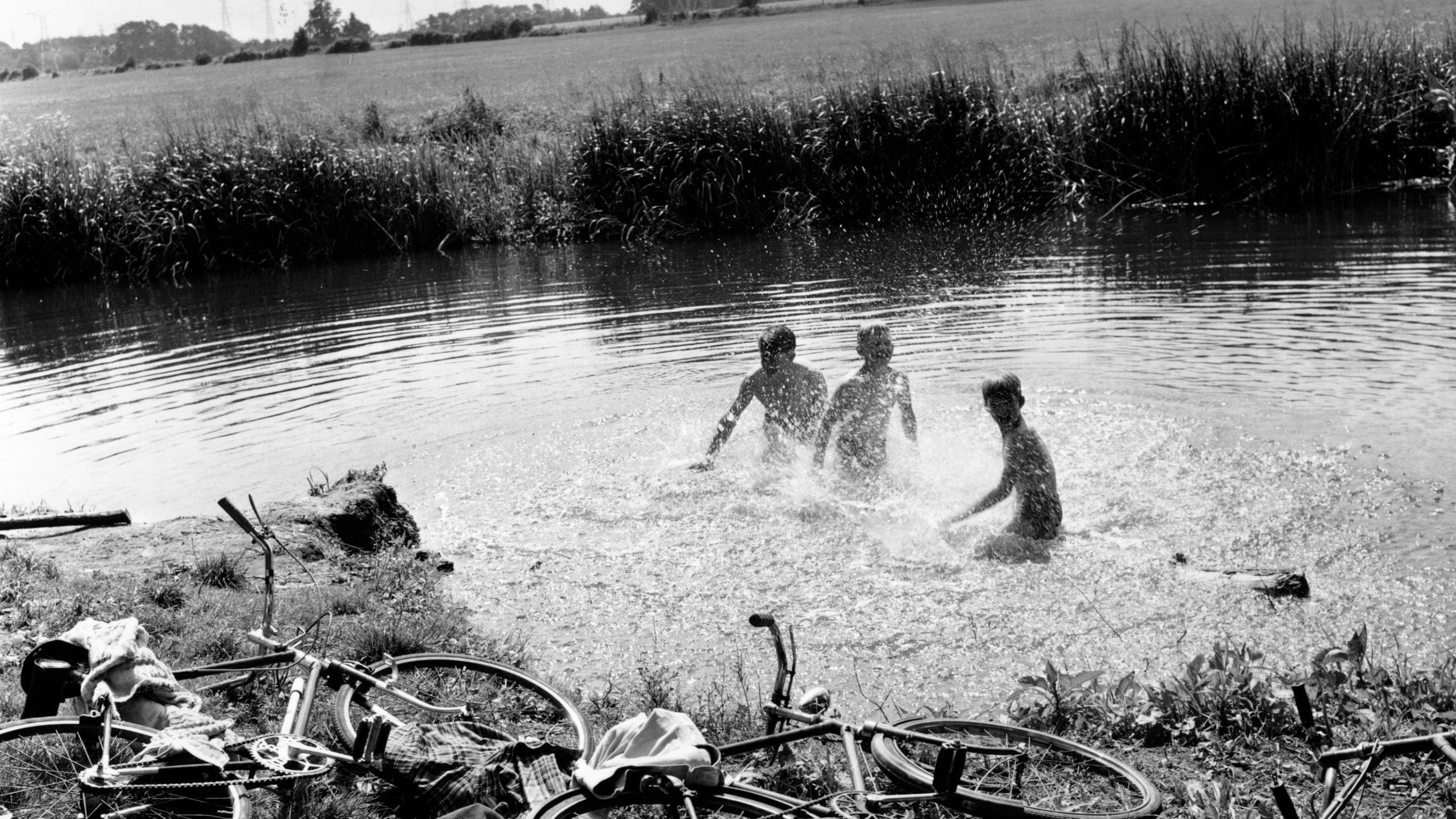
“Every death of a child or young person in open water is devastating. But these tragedies are not simply isolated accidents, nor just young people making poor choices. During heatwaves, children and teenagers will naturally seek out water to cool down, play, socialise and find relief from increasingly uncomfortable temperatures.
“The real issue is that our systems have not caught up with this reality. As summers become hotter, rivers, lakes, reservoirs and coastal spaces are becoming part of how young people respond to extreme heat. Yet public safety messaging still relies on last-minute warnings rather than sustained education, safer access and child-centred climate adaptation.
“There is also an important social justice issue. Not all children have equal access to safe places to cool down. For some families, private gardens, air-conditioned homes, holidays, leisure activities or supervised pools are not available or affordable. Public pools have closed, transport can be expensive, and some neighbourhoods have fewer green and blue spaces. In that context, unsupervised waters may become the only accessible places to escape the heat.
“Water poverty helps us understand this issue. It is not only about access to water in the home, but unequal access to safe, clean and supervised water for health, play, cooling and wellbeing. During heatwaves, those inequalities become more visible and dangerous. Heatwave water safety is now a climate justice issue.
“We need to stop treating this as a seasonal communications problem and start treating it as a public safety and climate resilience issue. Young people need practical, hopeful, age-appropriate education to understand water, risk and their own agency. Water safety should be taught as routinely as road or fire safety.
“But education alone is not enough. If young people do not have safe, supervised and affordable places to cool down, some will continue to use unsupervised water. That means local authorities, schools, leisure providers, emergency services, water companies and planners all have a role to play.
“The message should not be that children must fear water. Water can be joyful, healthy and important for wellbeing and connection to place. But in a warming climate, we need to help children enjoy water safely, including safe access, practical education, and better planning for how young people live during hot weather.”
ENDS
For further comments or to request an interview with Dr Katie Parsons, please email the PR team or call 01509 222224.