However, new research from Loughborough University shows they are intricately connected – and that working with nature, and using cutting-edge data and modelling, could help tackle all three at once.
A trio of new studies, led by Dr Josh Wolstenholme, reveals how relatively small changes across the landscape can collectively slow water, reduce flood risk and strengthen ecosystems, while advanced modelling and artificial intelligence help decision-makers understand what works, where and why.
Together, the three studies show how nature-based solutions work best as a system.
- Hedgerows can slow water before it reaches streams
- Leaky dams slow it again once it enters rivers
- Advanced modelling and AI make it possible to test scenarios, target interventions and avoid unintended consequences
Dr Wolstenholme, of Geography and Environment, said: “Climate change is increasing storm extremity and weather variability; therefore, it’s important to work with the landscape rather than against it.
“Nature-based solutions achieve this by working variably across scales, but it is important to consider how these different interventions combine to maximise ecosystem benefits and flood mitigation.
“To address this, research is required across scales, considering catchments in all their complexity whilst leveraging new tools to deliver timely answers to pressing questions surrounding the impact of small-scale nature-based solutions.
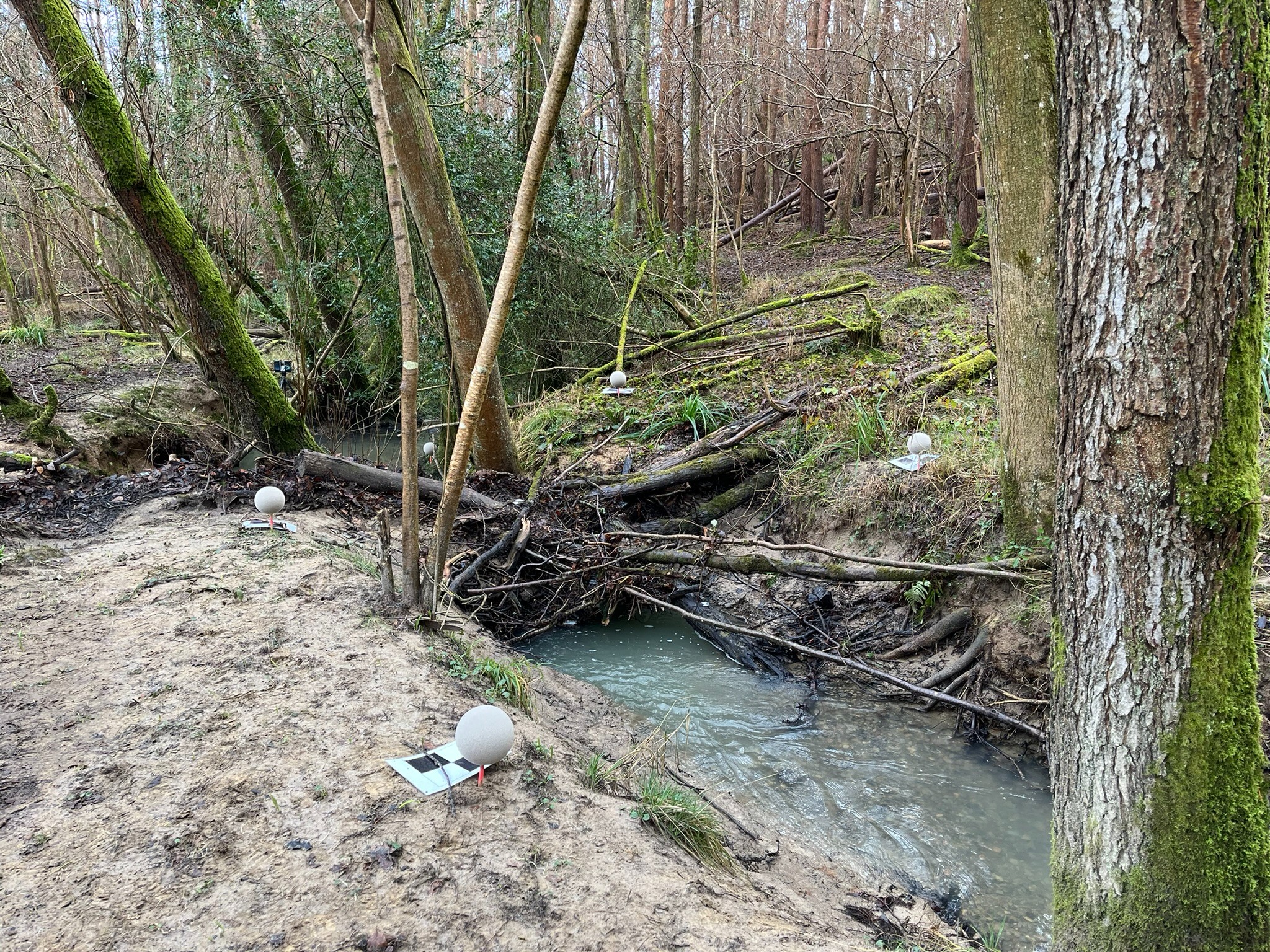
“For example, in upland streams leaky wooden dams – simple structures made from timber – are increasingly used as part of natural flood management.”
The dams study tracked how the simple structures change riverbeds over time, showing they increase channel complexity, store sediment, and alter flow pathways during storms.
These changes help slow water as it moves downstream, reducing flood peaks while also creating more diverse habitats for wildlife
A second study took this a step further by developing a new way to model leaky dams digitally, allowing scientists to simulate how water, sediment and riverbeds interact with the structures from individual stream reaches right up to whole catchments.
Crucially, the research shows that when sediment movement is included – something often ignored in flood models – leaky dams can store far more water and reduce peak flows by up to a third during storm events
Together, the studies show that leaky dams are not static structures. Their effectiveness evolves as rivers reshape themselves, highlighting the importance of long-term monitoring and realistic modelling when designing flood-management schemes.
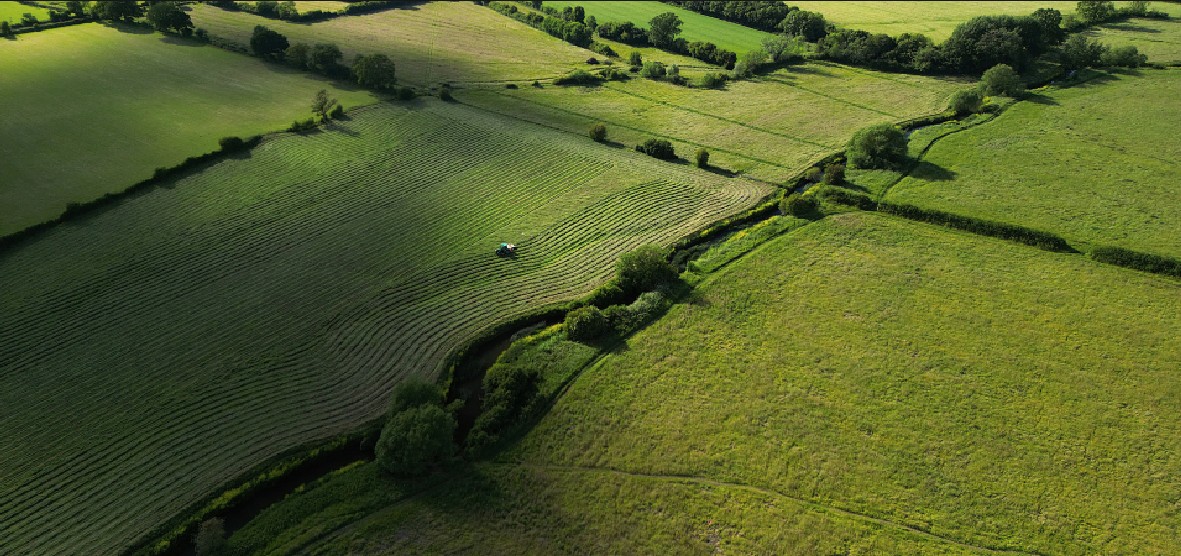
But flooding doesn’t start in rivers alone.
Across farmland, hedgerows act as natural infrastructure, slowing surface runoff, improving soil stability and linking habitats. Yet many hedgerows are fragmented by gaps, reducing their effectiveness (see image below).
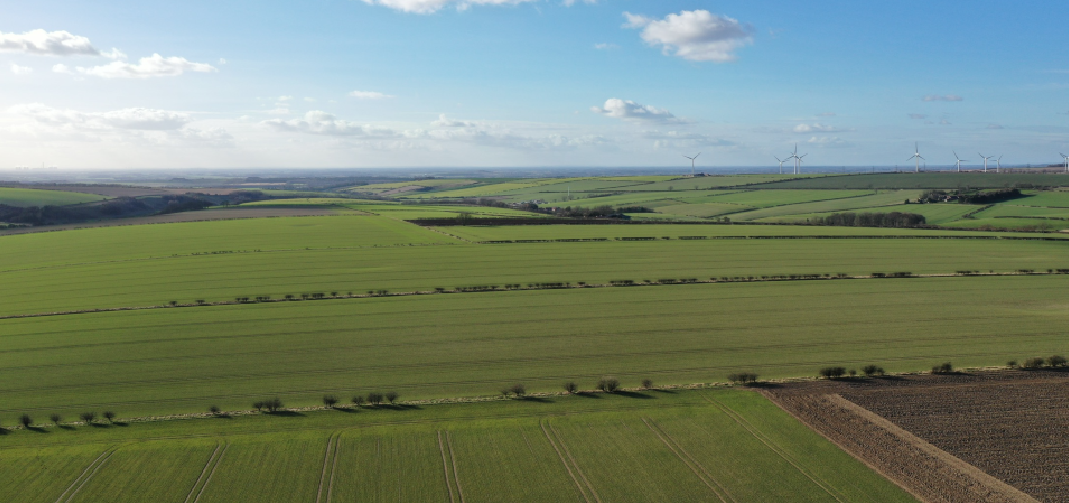
A third study used artificial intelligence and high-resolution aerial imagery to automatically map hedgerows and their gaps across thousands of square kilometres.
The research revealed extensive opportunities to restore missing sections, providing a fast, accurate way for councils and land managers to prioritise where replanting could deliver the greatest benefits for flood mitigation, carbon storage and wildlife connectivity
It also highlights a shift in how flood is being managed: away from single defences, and towards landscape-scale strategies that combine ecology, engineering and data science.
Dr Wolstenholme said: “As extreme rainfall becomes more common with climate change, the findings provide practical evidence that restoring and managing natural features – supported by robust science – can work to protect communities while delivering benefits for nature and net-zero goals at the same time.”
ENDS