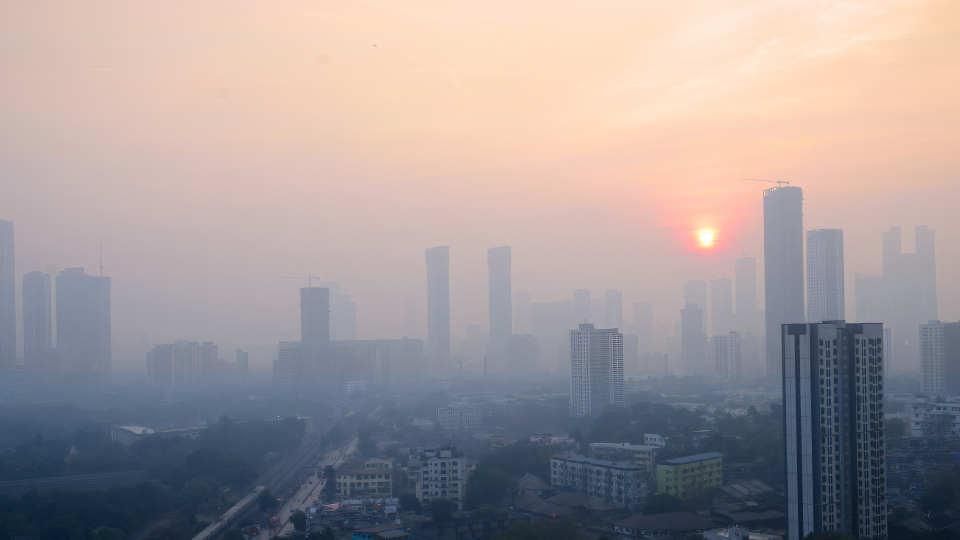
Air pollution has long been linked to heart and lung disease. But a large US study suggests it may also raise the risk of Alzheimer’s disease – the most common form of dementia.
Researchers tracked nearly 28 million older adults over six years nationwide. They found that those exposed to higher levels of fine particulate air pollution were more likely to develop Alzheimer’s.
These fine particles come mainly from burning fossil fuels, wildfires, deliberate field burning for agricultural clearing and industry. Known as PM2.5, they are smaller than 2.5 micrometres and small enough to penetrate deep into the lungs and enter the bloodstream.
The US study used Medicare insurance claims to confirm Alzheimer’s diagnoses and area data by postcode for fine particle pollution levels. It also looked at other factors that could explain the link, such as the proportion of smokers or overweight people living in more or less polluted areas.
But using postcode data has limitations. It doesn’t account for how close individual homes are to motorways, industry or forests. It also doesn’t capture indoor pollution from things like cleaning products, wood burners or candles – all of which can vary hugely from house to house.
Postcodes also don’t always identify poverty accurately. Poverty is linked to many Alzheimer’s risk factors – lower educational attainment, poorer access to good food and healthcare, and living in more polluted areas.
In this study poverty and deprivation was taken into account by looking at Medicaid eligibility (which was the case for 26% of the group investigated). This type of insurance is for people over 65 who have low incomes or significant disability, or both.
The findings are particularly concerning because pollution levels in the areas studied were, on average, about twice as high as the limit set by the World Health Organization (WHO). The WHO advises that annual levels of PM2.5 should not exceed five micrograms per cubic metre of air.
The researchers found that the increased Alzheimer’s risk in polluted areas remained even after taking high blood pressure, stroke and depression into account. These conditions were linked both to air pollution and to Alzheimer’s, but they didn’t fully explain the relationship between the two.
There are biological reasons why this link makes sense. Air pollution with fine particles may harm the brain by increasing inflammation and promoting oxidative stress, which causes brain cells to malfunction. The polluting particles are small enough to enter the bloodstream, and they can block bloodflow to the brain.

Article continues on The Conversation: www.theconversation.com/air-pollution-may-directly-contribute-to-alzheimers-disease-new-study-275873