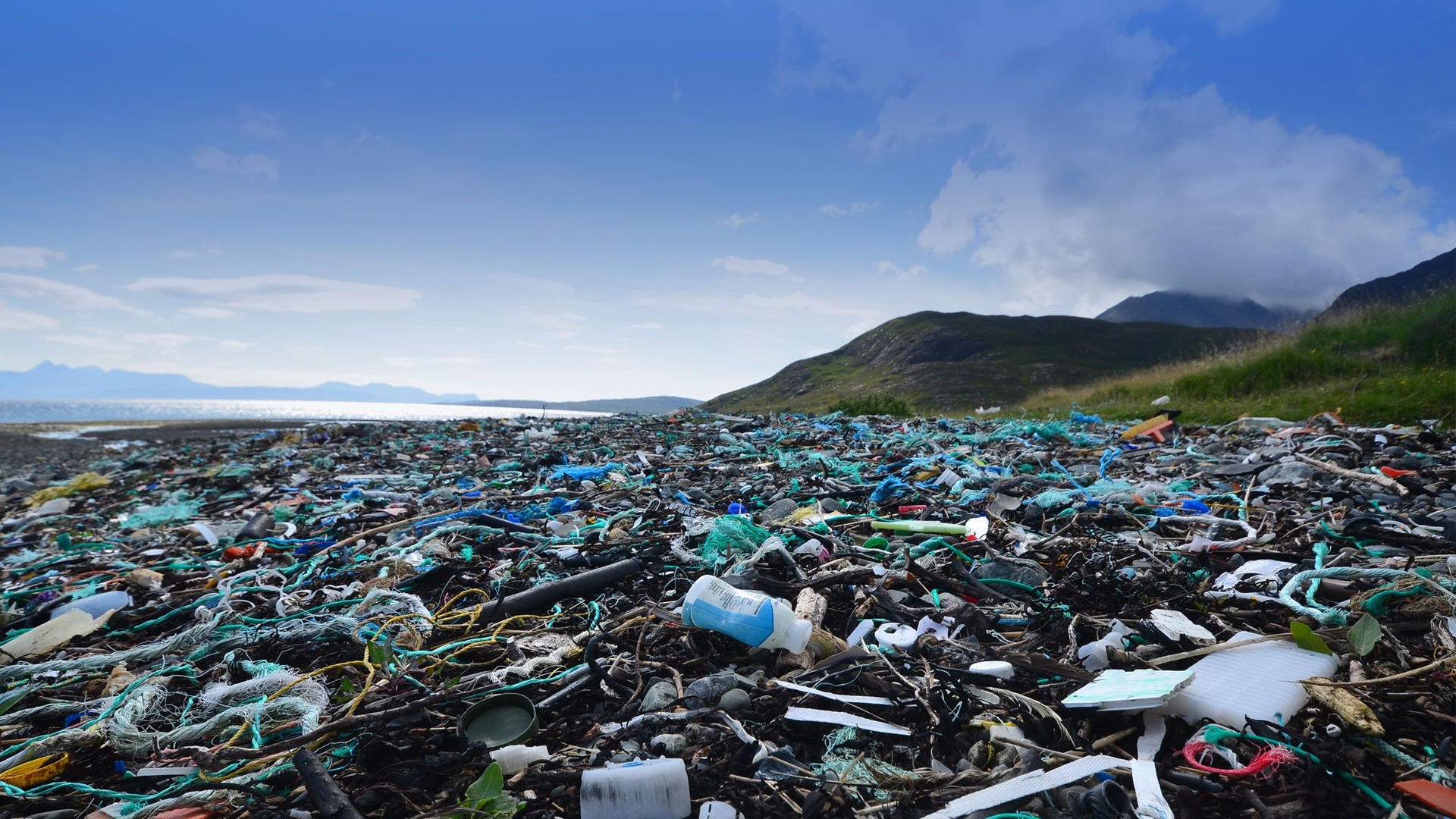
Over four summers, we have surveyed more than 46,000 pieces of litter
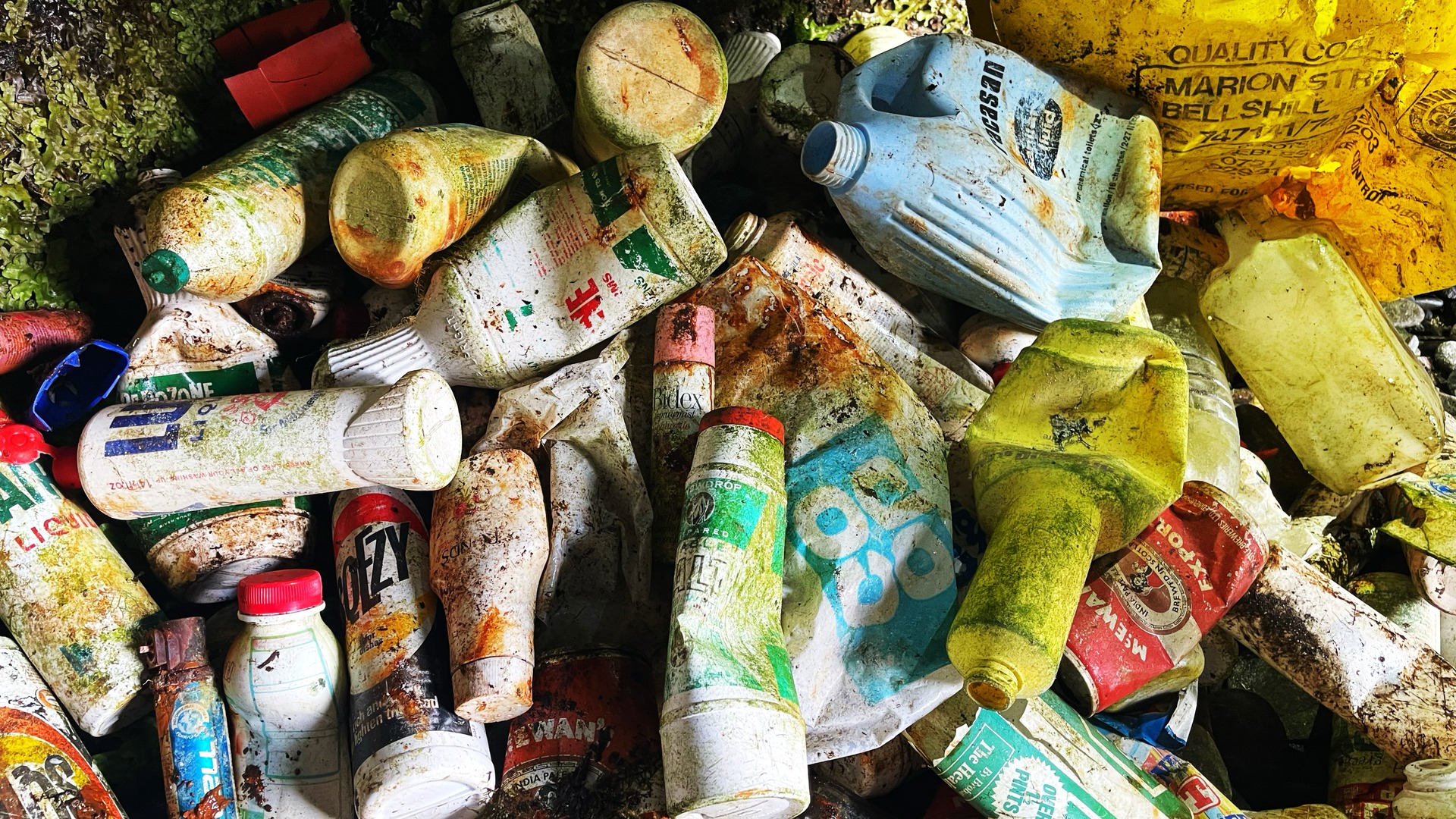
Current approaches to marine litter classification do not accurately capture everything washing up on our shores. Significant sources of marine pollution are overlooked and outside regulation, allowing pollution to persist – harming coastal environments and the people that depend on them.
Working with communities on the Isle of Skye and coast of Kintyre, our researchers are pushing for change. Together, they are developing a more accurate way to identify and measure the litter found along Scotland’s coastline, building the evidence needed to boost action against marine pollution globally. Coastal communities around the world face similar challenges where existing monitoring frameworks struggle to capture local sources of litter, limiting the evidence available to inform policy and environmental action.
Researchers highlighted Skye’s beach litter problem more than half a century ago. Given our growing reliance on plastics and other synthetic materials, they predicted that it would only get worse.
Dr Thomas Stanton discovered this research as a Master’s student. It stuck with him and, in 2023, he fulfilled an ambition to visit Skye to explore the issue 50 years on.
His research team worked alongside local community groups and used technology unavailable to the original researchers – including drones and GPS mapping.
Their year-long study revealed a seemingly impossible challenge – how to clean up Skye’s beautiful beaches and, crucially, stem the endless flow of litter.
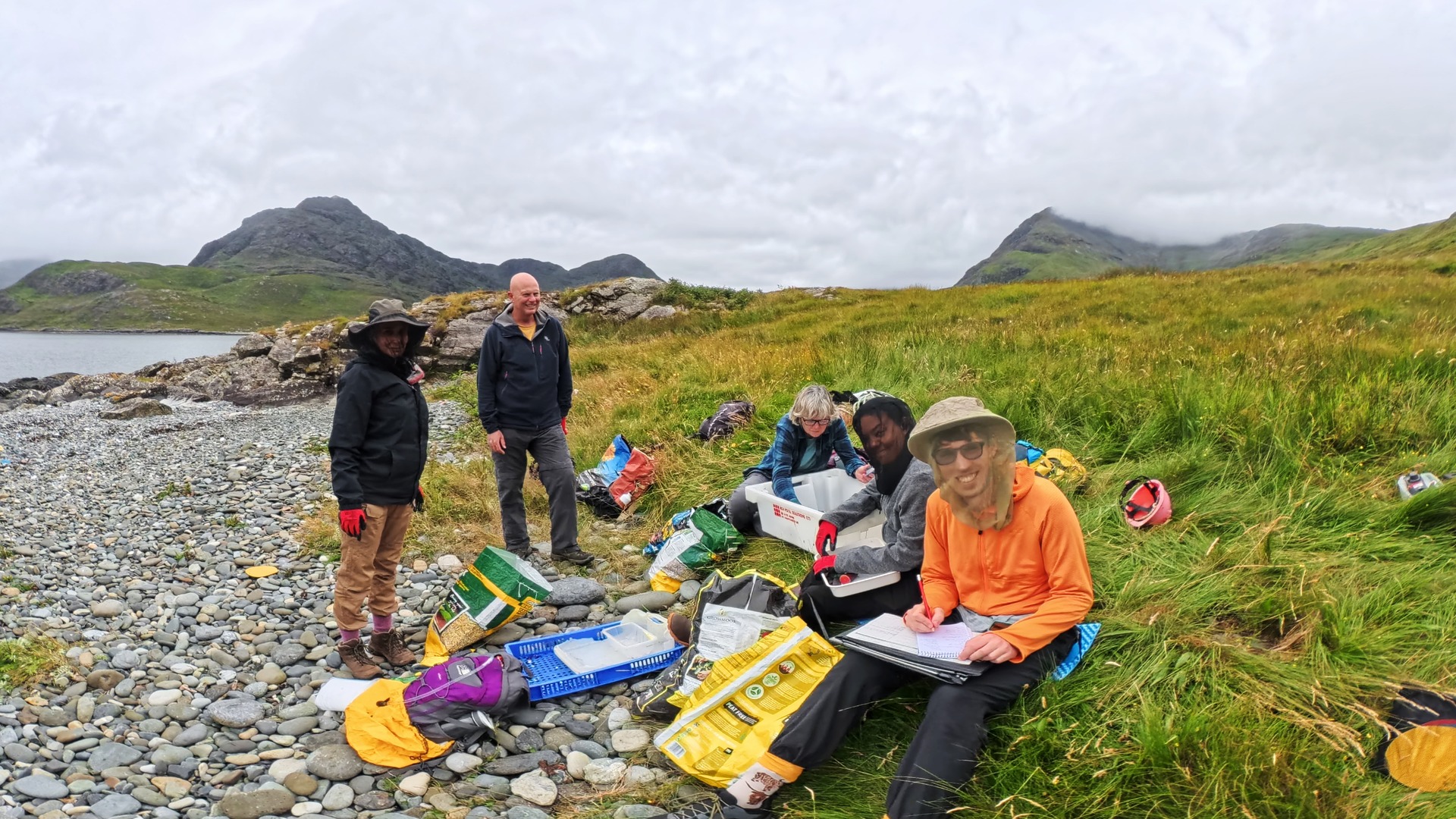
“It’s really important that the Loughborough research team is here, observing and understanding the problem – representing Skye and standing up for everyone who has been shouting into the void for a very long time.”
Skye Beach Cleans Trustee
Local communities face a major challenge. The international system used to monitor marine litter and marine pollution doesn’t reflect much of what coastal communities find on Scotland’s beaches. Many of the items collected cannot be classified within the existing categories.
This means that much of Scotland’s litter falls outside official monitoring frameworks. It can’t be accurately logged. Neither can its source and route to the coastline be adequately mapped. This leaves major gaps in marine pollution data and environmental monitoring evidence.
Local knowledge of fishing practices clearly illustrates the problem.
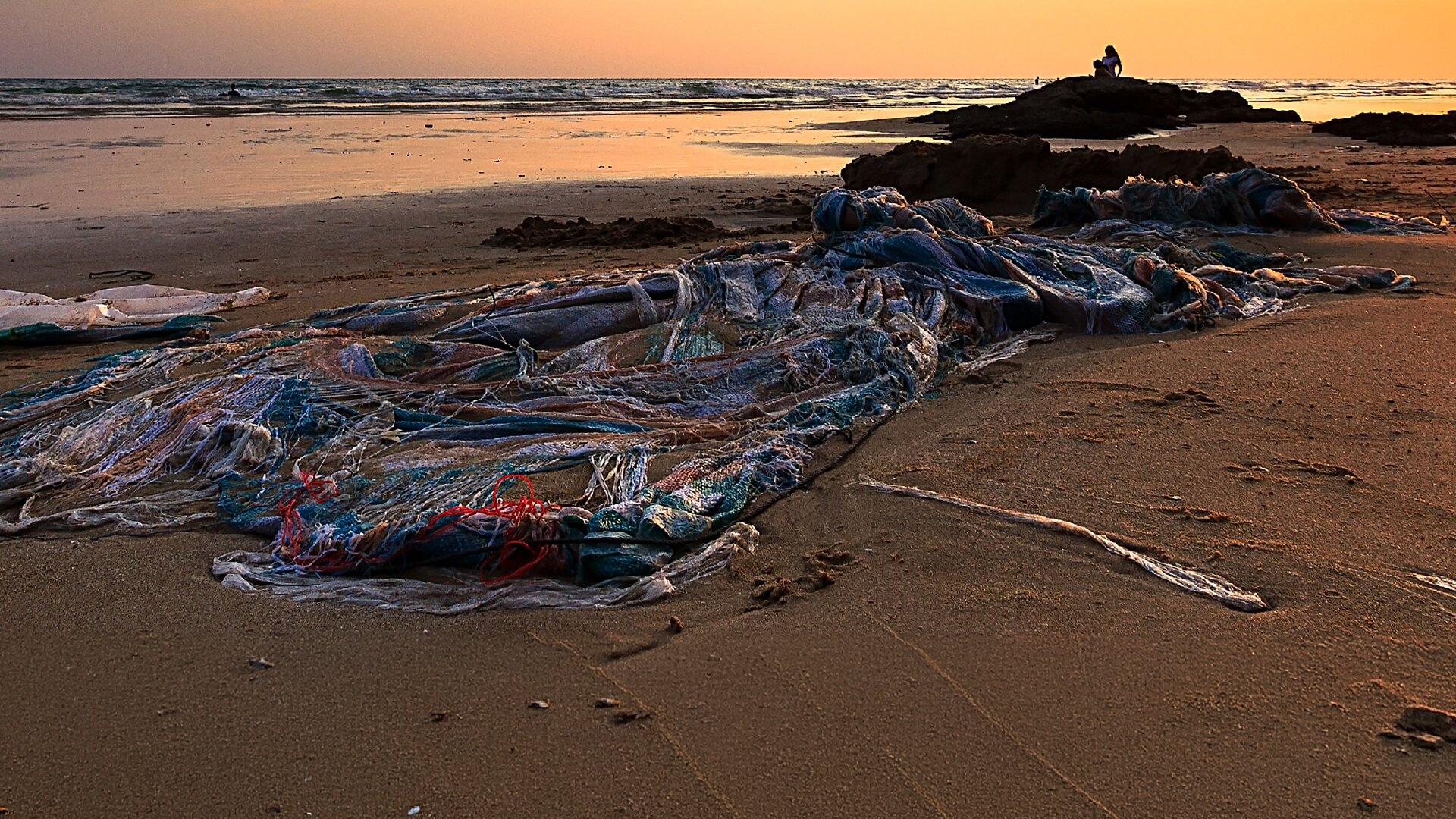
Creel pot hooks, prawn tubes and aquaculture equipment can only be recorded as plastic or polystyrene pieces – obscuring their connection to the region’s fishing industries. Similarly, fine twines created by degraded fishing rope are not recognised by current classification guidance at all, yet they dominate beach litter smaller than 2.5cm in size.
Without local knowledge, it's difficult to understand where marine litter comes from, how it reaches the shore and the harm it's causing.
The west coast of Scotland accounts for almost one third of the UK’s shoreline and is among Europe’s most heavily littered coastal regions. Yet the limitations of current surveying methods leave much of it underrepresented in the evidence used to inform international action. The region is a coastal litter data desert.
The reality of Scotland’s beach litter problem has been largely ignored. To really address the issue, we must work alongside the people living with it.
Over four summers, we have surveyed more than 46,000 pieces of litter
We recorded an average of 2,320 pieces of litter per 100m in 2026 – the European target is 20 pieces of litter per 100m
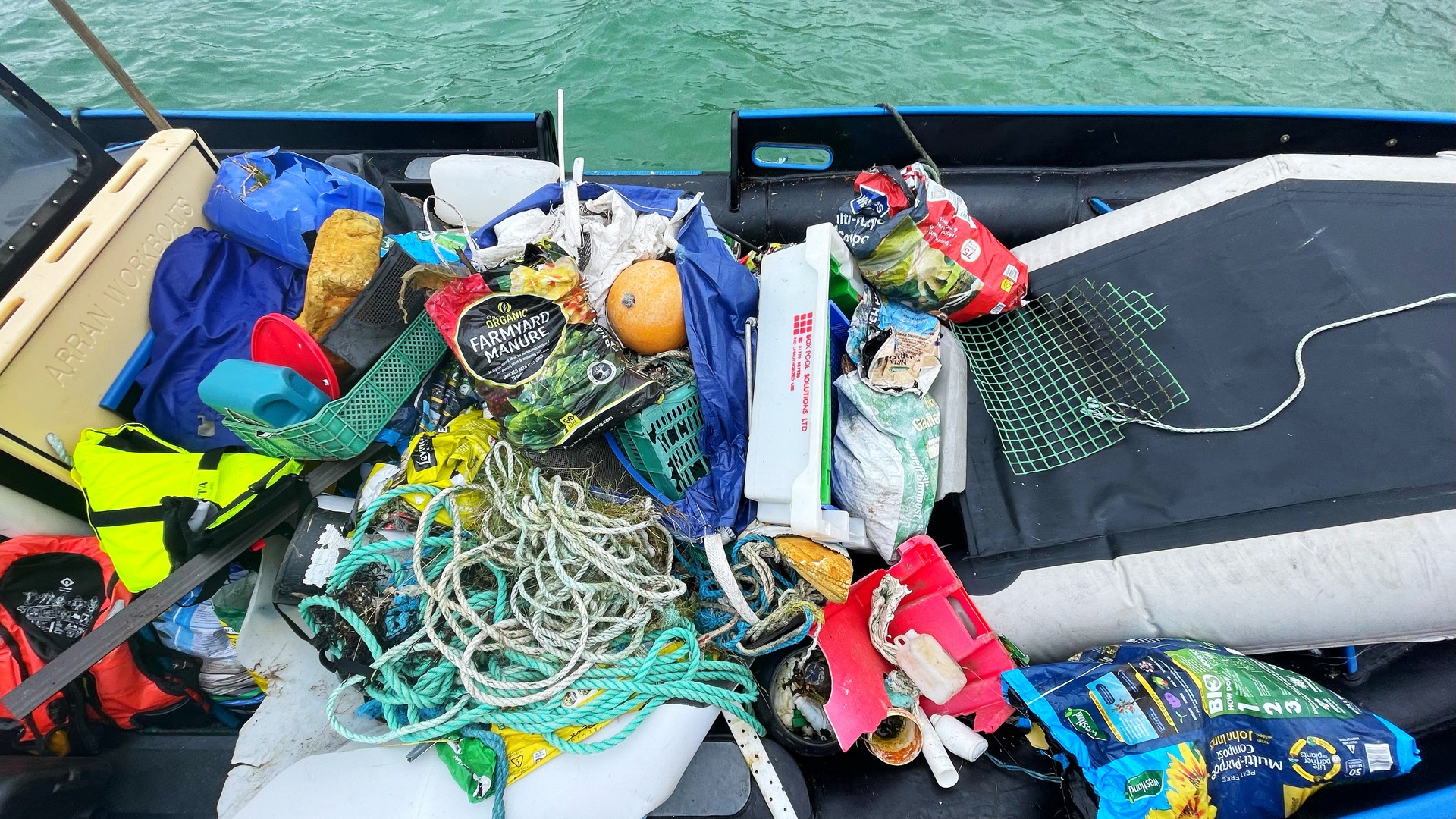
In some places, we found maximum densities up to 1,051 pieces of litter per m2
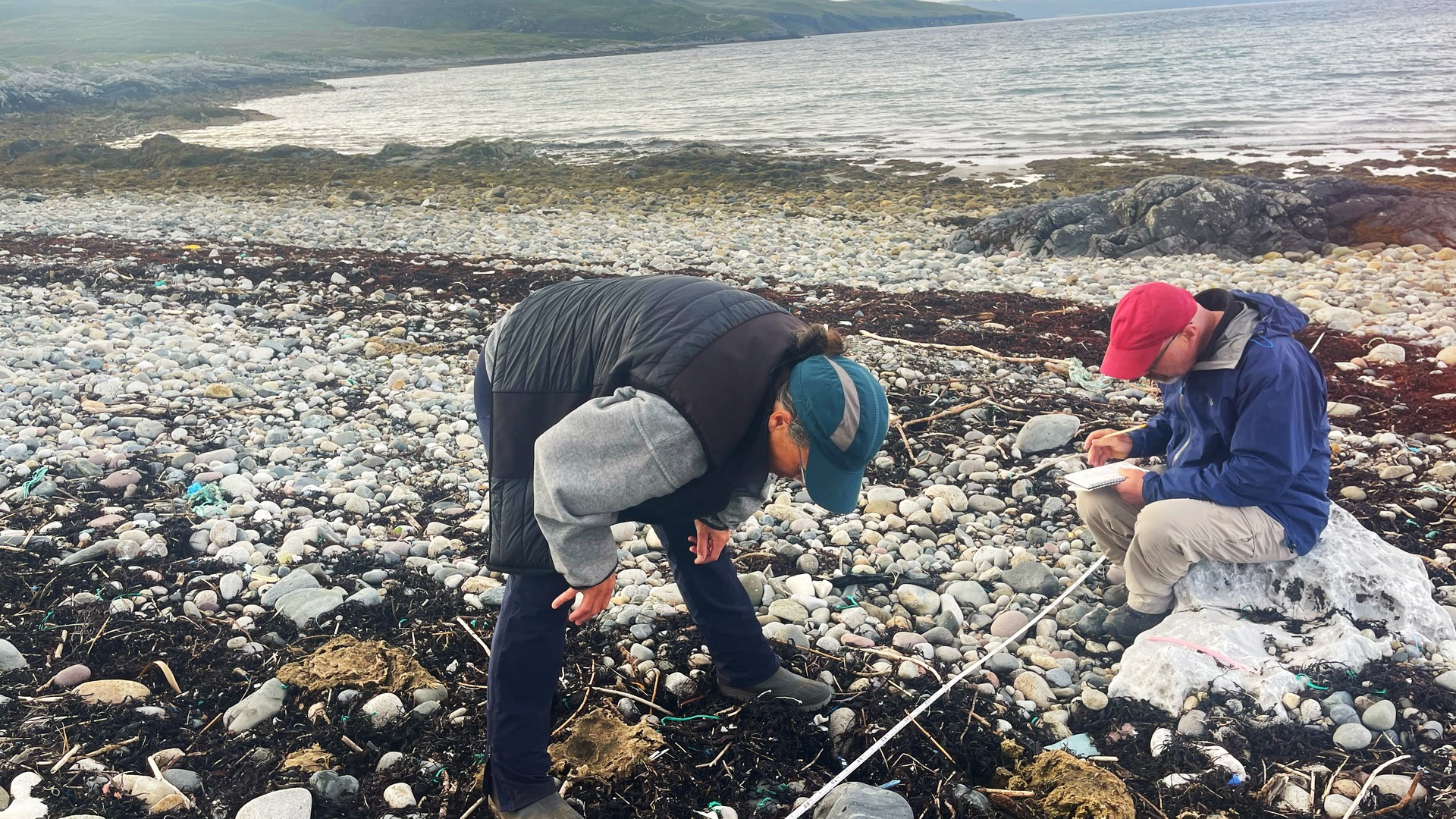
We have found litter with branding information and use-by dates that we have been able to trace to every decade since the 1970s
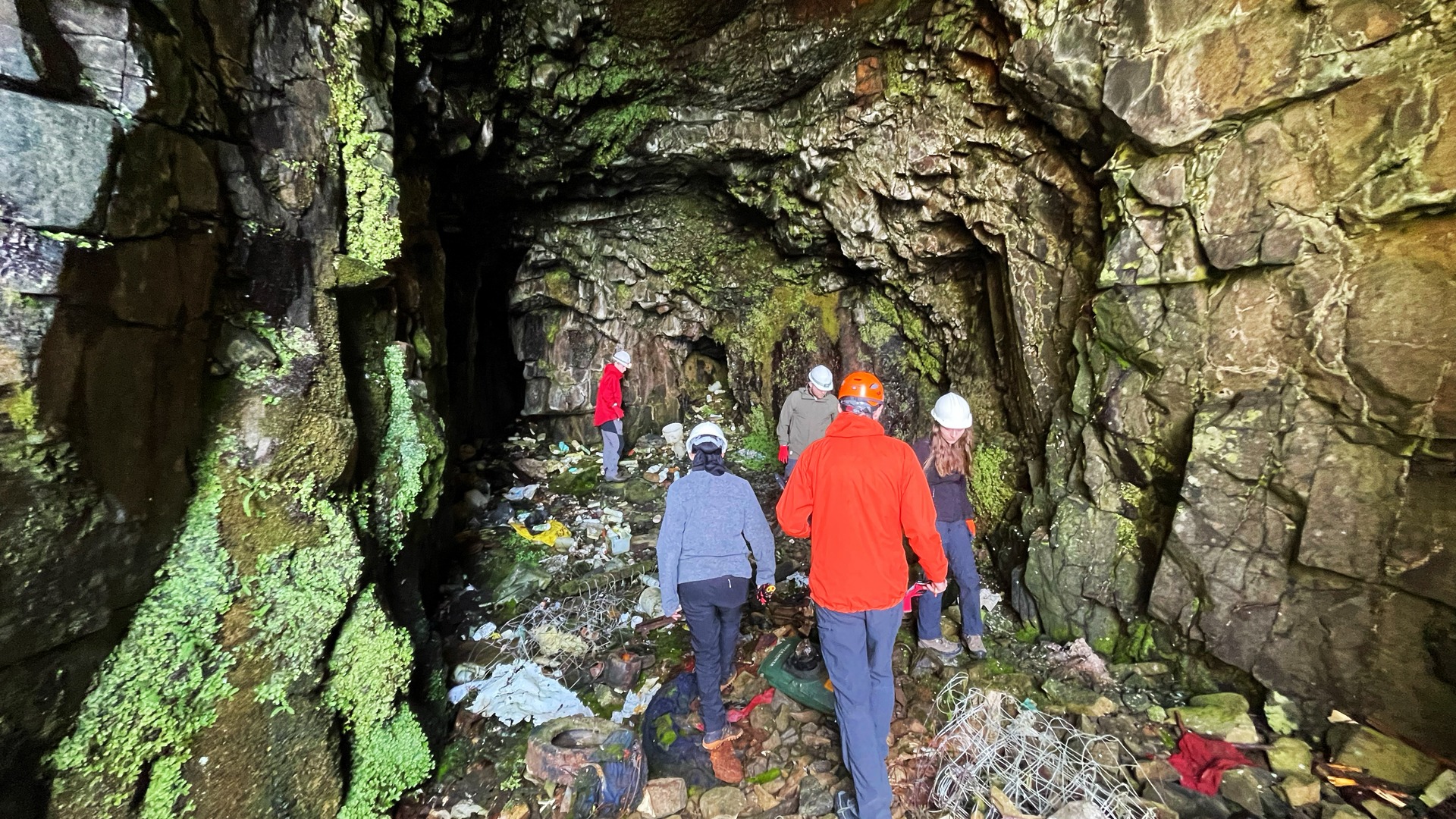
However, had we relied only on the available international marine litter monitoring guidelines we would not have been able to accurately classify a significant amount of this litter or pinpoint its origin. We want to change this.
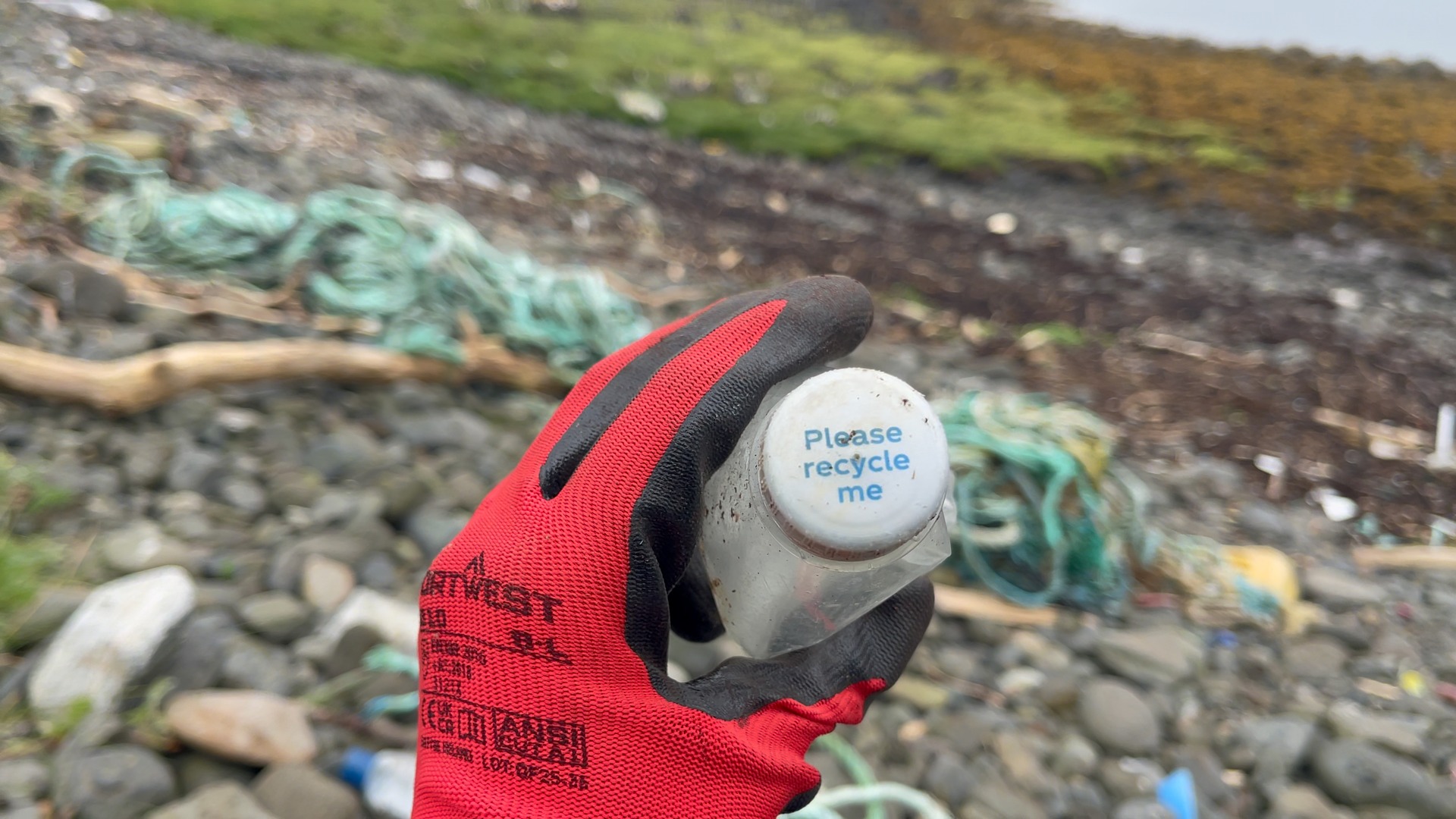
Working closely with community groups across the island has been central to the project’s success.
Even before the research team arrived on the island in 2023, conversations with local people revealed a shared depth of experience and knowledge about monitoring marine litter that was able to guide the team’s research focus.
Their knowledge challenged assumptions of the published marine litter literature and helped reshape the project’s research direction.
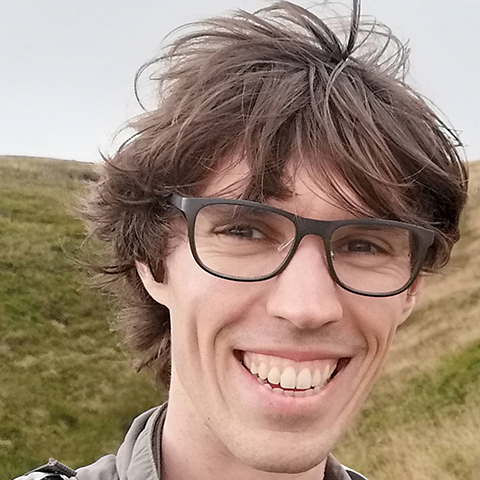
“To really understand the social and environmental contexts of Scotland’s marine litter emergency, we had to listen to the people living with the problem. We couldn’t just assume that conventional methods of beach litter surveying would capture the full extent of the challenge. Local knowledge has been, and continues to be, invaluable.”
50 years of Litter on Skye Project Lead
“We need industrial designers to explore alternatives to single-use plastics like candy wrappers. Instead of enduring for two or three hundred years, a time some months after the use-by-date would probably be enough. Introducing the regulation that motivates changes like this requires the sort of data being collected here on Skye.”
Social Science Lead – Geography, Geology and the Environment, Keele University
Together with our community partners, we are developing materials that support more locally responsive monitoring, including:
An enhanced surveying method that complements established monitoring guidelines and records previously hidden categories of litter
A research paper uniquely peer-reviewed by our community partners before being sent to our academic peers
A best practice toolkit for community groups wanting to survey beach litter on their coastlines
Best practice guidance for academics wishing to work with communities on environmental research projects
Lasting change depends on inspiring future researchers to work alongside communities, combining scientific expertise with the knowledge of those who understand their coastlines best.
Tom recognises that the encouragement he received early in his career at Loughborough University was essential to his professional development. It inspired him to be open-minded and explore new approaches, collaborate with a variety of partners and draw on lived experience.
He is passionate about providing similar support by growing a strong and vibrant team of young researchers.
The project is already inspiring the next generation – the team includes a growing number of doctoral students, and undergraduate students have supported the project’s fieldwork every year.
Tom says this cohort of researchers brings a new energy, curiosity and fresh perspectives to the project. Their doctoral research in particular is exploring specific challenges identified through the fieldwork – pushing developments further and faster.
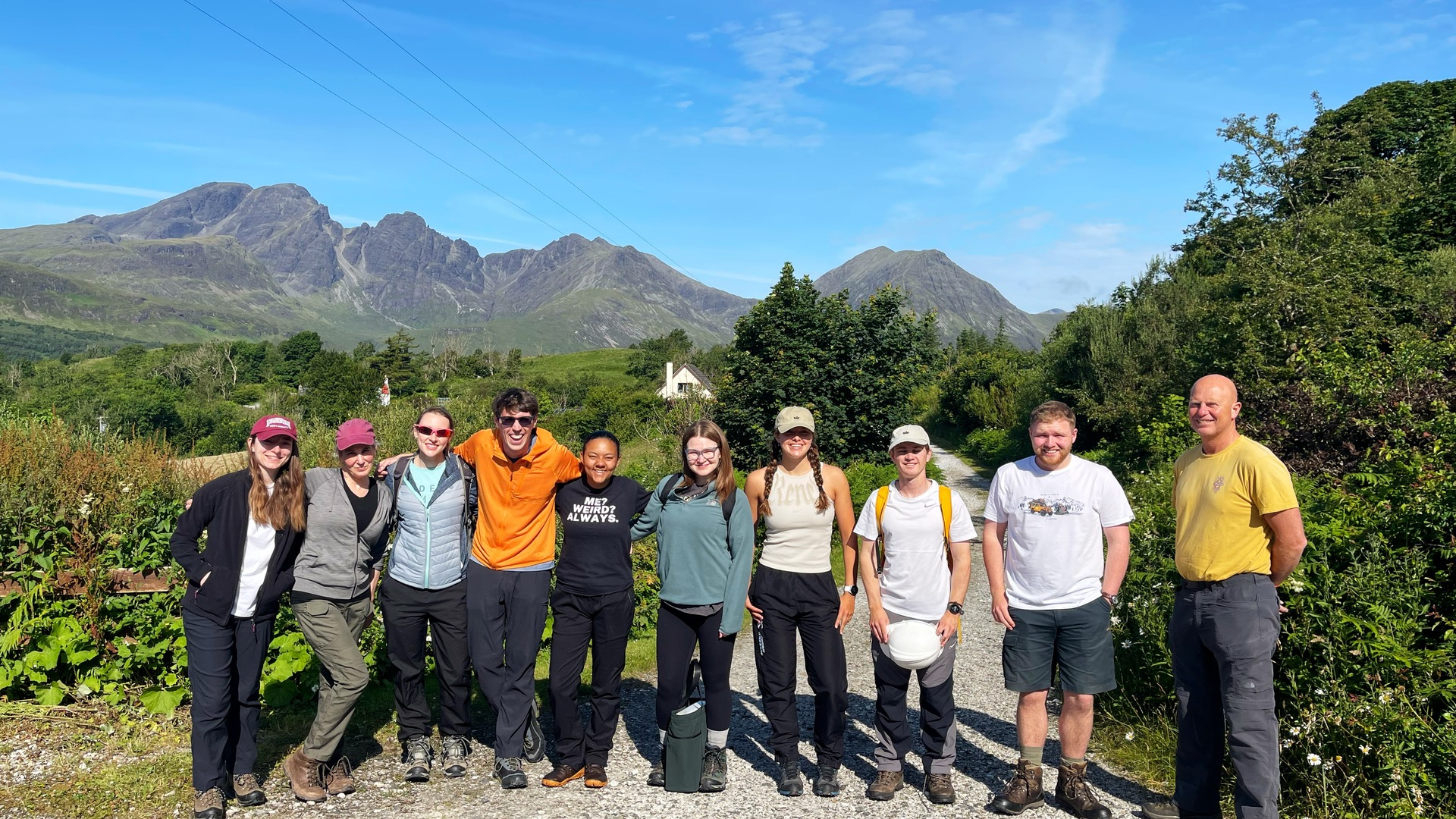
“Our everyday choices impact distant places. This is evident in the types and amount of litter we find on Scotland’s remote and beautiful beaches. We want to equip both legislative bodies and the public with the knowledge to make meaningful decisions that will reduce the amount of marine litter washing up along our coastlines. The data that are currently available to decision makers cannot do this.”
50 years of Litter on Skye Project Lead
Lecturer in Geography
View profile
NERC Independent Research Fellow
View profileDoctoral Researcher

Doctoral Researcher
View profileDiscover the multimedia feature documenting five decades of marine litter research on the Isle of Skye.
Explore the interactive multimedia feature documenting five decades of marine litter research on the Isle of Skye.
View Skye Project Feature