At The World's No. 1 Sports University
We're farming the unfarmable
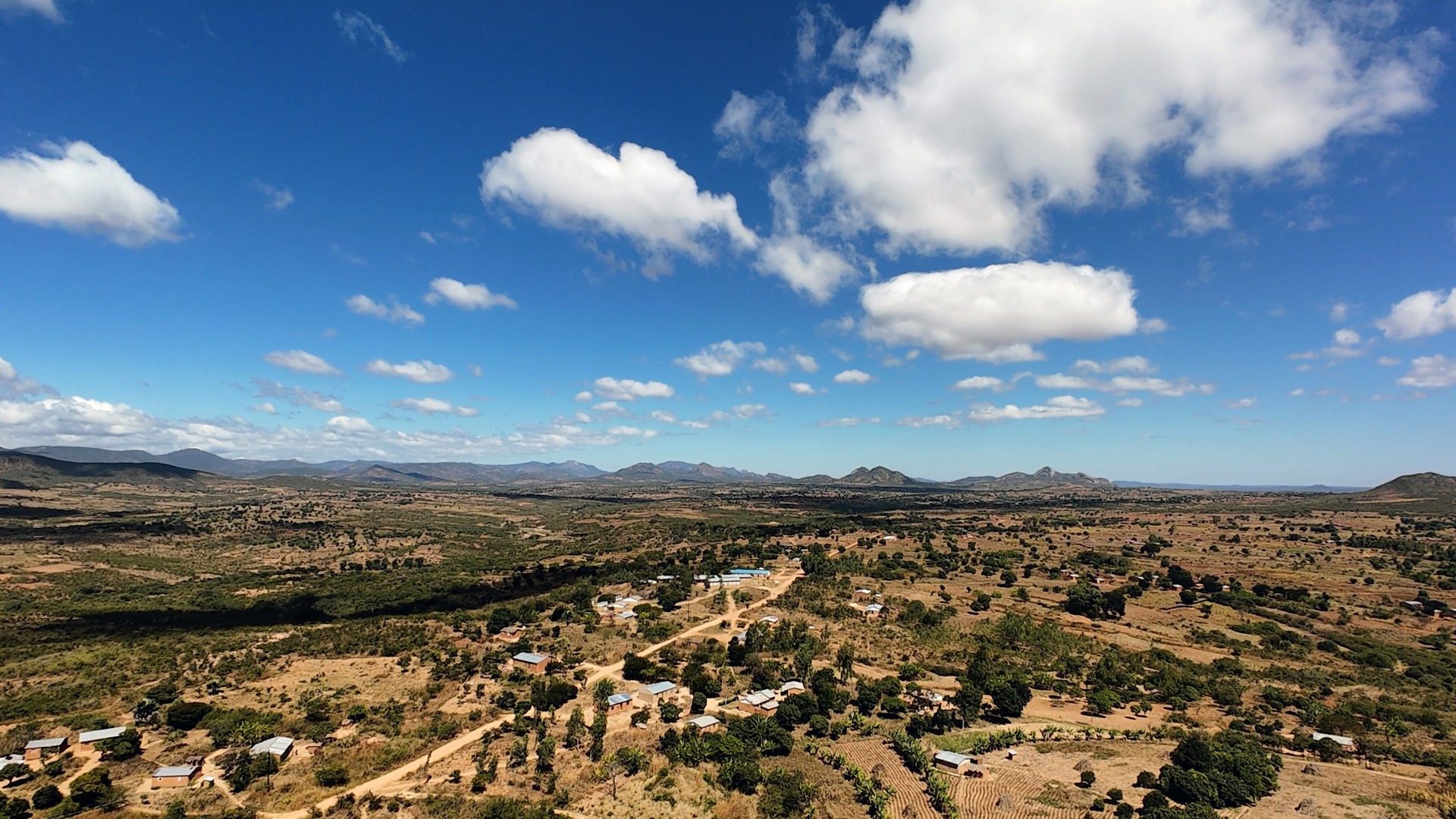
Climate change is making farming almost impossible in many parts of the world.
In places across Sub-Saharan Africa, the land is baked and unworkable. Crop yields are down. Millions of people are threatened by hunger and food insecurity.
Loughborough University spinout Aftrak has developed a pioneering solution that pairs solar microgrids with robust, lightweight tractors to empower farmers and smallholders worldwide.
By combining solar-powered agricultural mechanisation with rural renewable energy infrastructure, the low-cost system helps smallholder farmers adapt to climate change. It also increases agricultural productivity, improves food security and delivers clean energy to remote communities.
The challenge
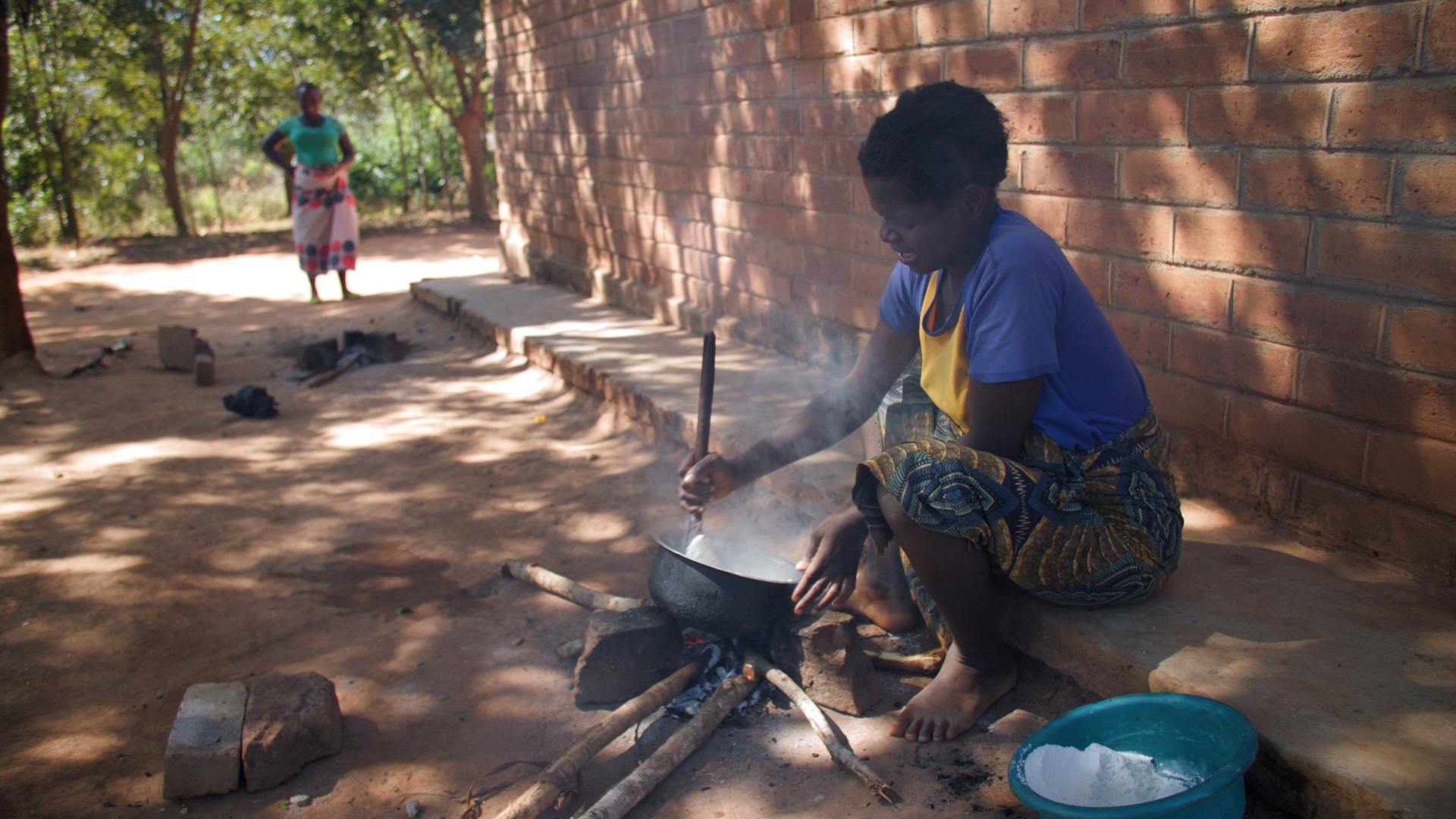
Only 8.9% of Malawi's population are connected to the grid
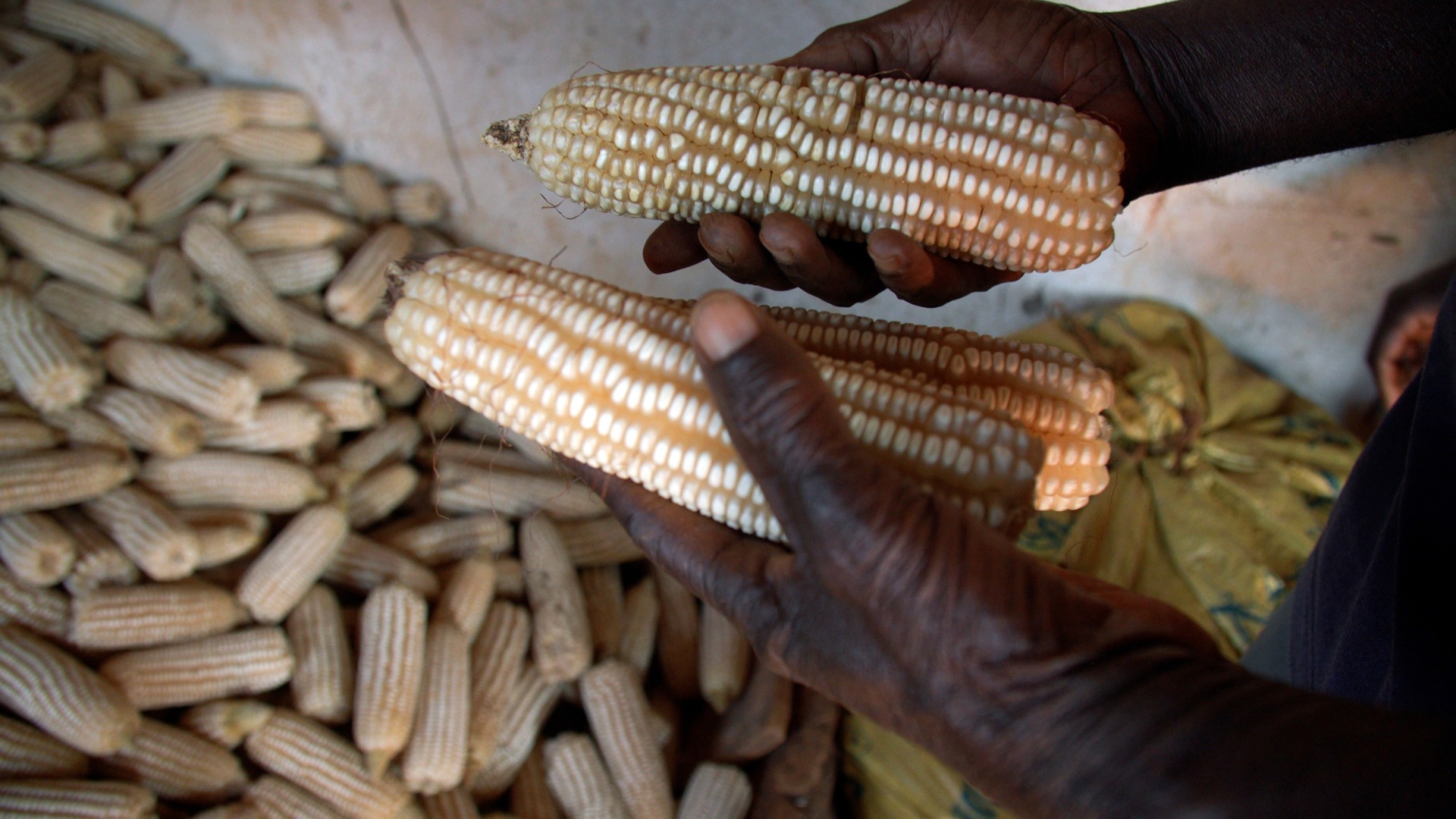
85% of households in Malawi depend on subsistence farming
What is Aftrak?
Aftrak is an AgriTech social venture developing affordable agricultural technology for smallholder farmers. Its solar-powered electric tractor and solar microgrid system help improve agricultural productivity, increase crop yields and provide access to clean energy in rural communities.
Launched in 2024, it grew out of research led by Dr Jonathan Wilson at the Wolfson School of Mechanical, Electrical and Manufacturing Engineering.
The multi-award-winning spinout addresses the UN Sustainable Development Goals around hunger, sustainable energy, poverty alleviation and economic growth.
Loughborough researchers work closely with a range of partners in Malawi, South Africa and the UK as well as smallholder farmers and local agricultural groups. Their expertise, coupled with field trials in Malawi and continuous user feedback, has helped refine Aftrak’s product design.
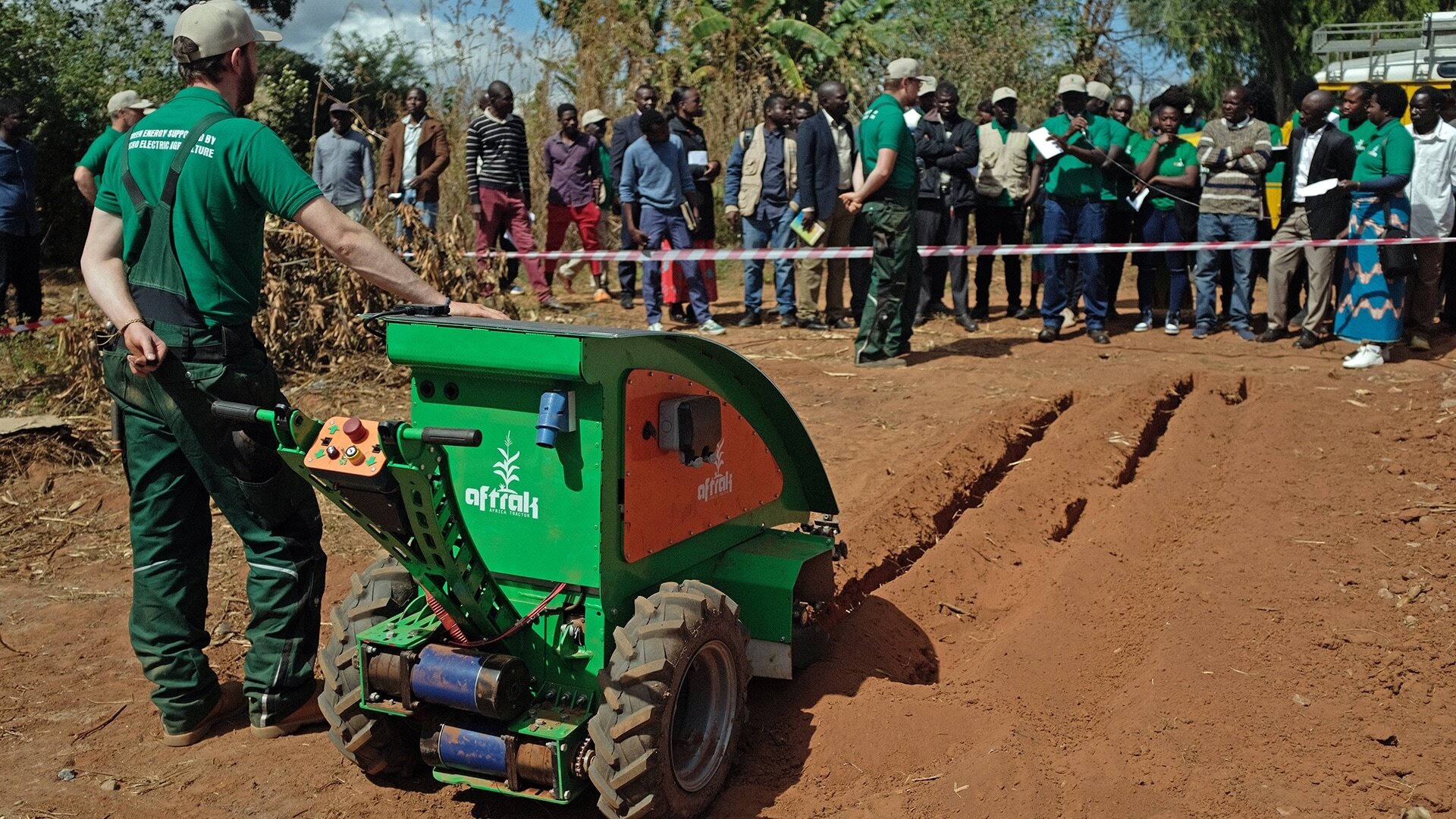
The system comprises the Aftrak AFT-e1, a walk-behind micro electric tractor designed specifically for smallholder farming and climate-smart agriculture, and scalable solar modules. It takes just one module to charge the tractor. Additional modules can be used to power homes, farms and small enterprises.
Easy to assemble, maintain and use, the solar units and tractor are designed with accessibility in mind, making farming much less physically demanding. Helping everyone to farm the unfarmable.
Most importantly, it is affordable for smallholder farmers, making labour-saving agricultural mechanisation and clean energy available to those who need them most.
Where is Aftrak used?
Aftrak is already changing lives and enhancing livelihoods in Malawi and across the UK.
Emisizini, Aftrak's primary demonstration site, now has electricity, better harvests and new income opportunities
Malawian orphanages are empowered to grow food for their communities
Ngolowindo Hospital's solar panels supply electricity to the maternity clinic and staff accommodation
Ehlekweni Full Primary School has power for lighting, phone charging and internet access
UK market gardeners and smallholders use Aftrak – it’s also ideal for working vineyards and orchards
“Our situation has improved. We are no longer living in the dark. We are living now in the light.”
Retired teacher and farmer in Emisizini
What is deep bed farming?
An important element of Aftrak’s success is its collaboration with Malawian-UK NGO Tiyeni. The partnership typifies the University’s approach of combining complementary expertise to tackle complex challenges.
Tiyeni helps smallholder farmers to improve their crop yields by delivering training in its low-cost, low-technology climate-smart agricultural technique, deep bed farming. The approach improves soil structure, increases water retention and helps farmers maintain crop production during periods of drought.
Deep bed farming is a three-stage process.
A three-stage process
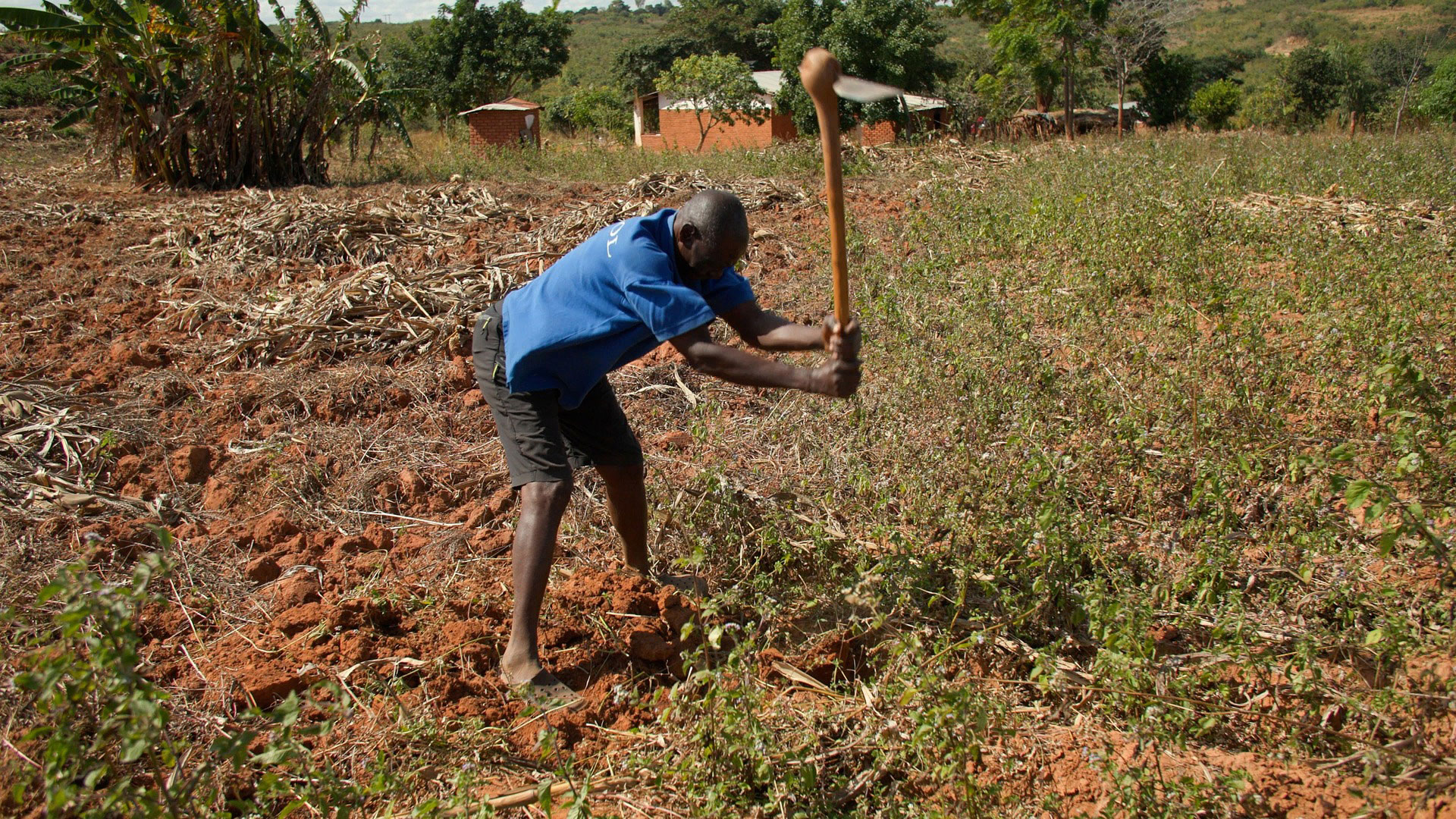
Breaking the hardpan
Breaking the compacted, solid layer just below the soil’s surface allows air, water and roots to penetrate.
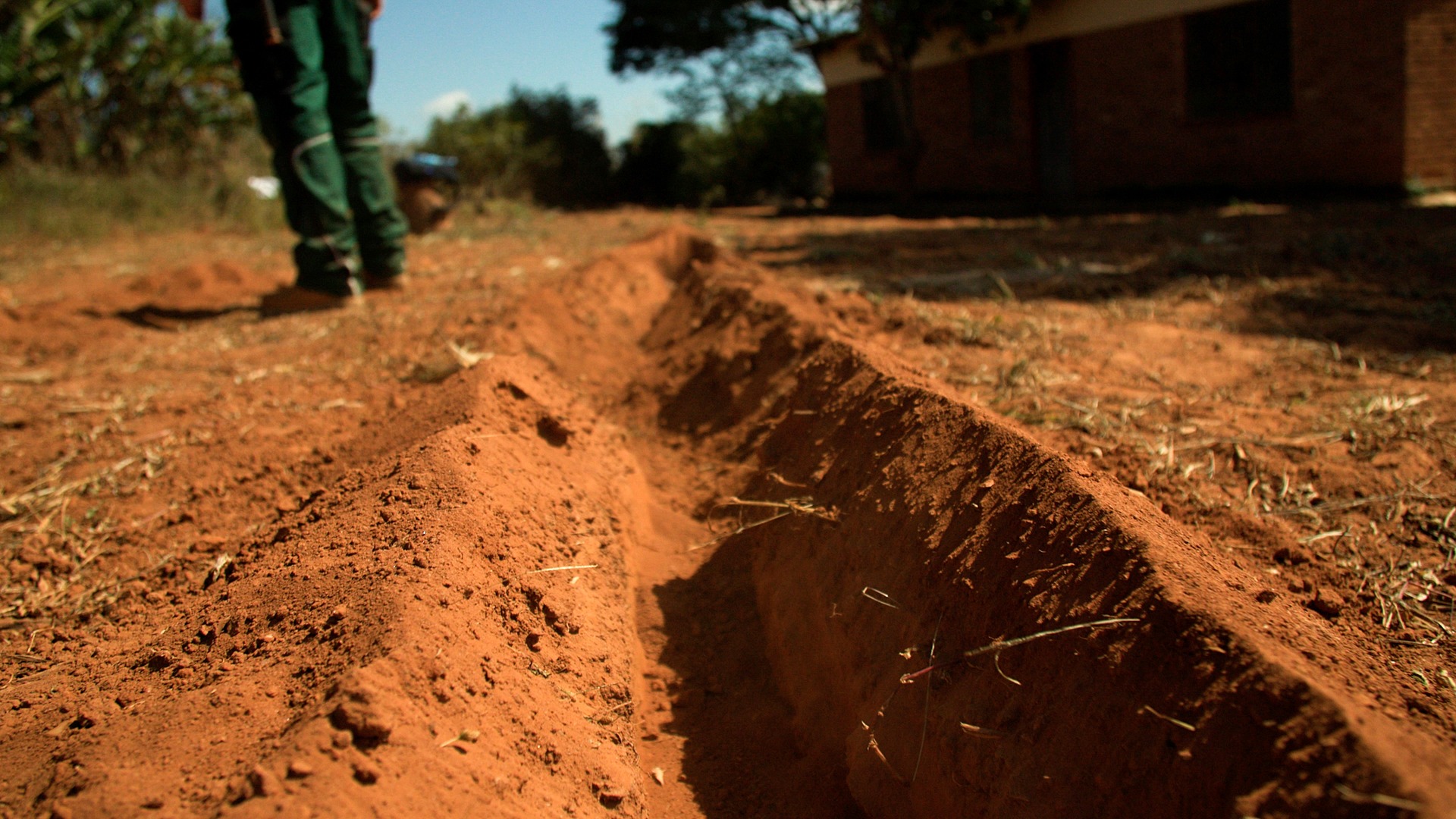
Creating raised beds and trenches
The deep furrows flanking the raised beds catch rainwater to nourish the plants and reduce run-off that can wash away topsoil.
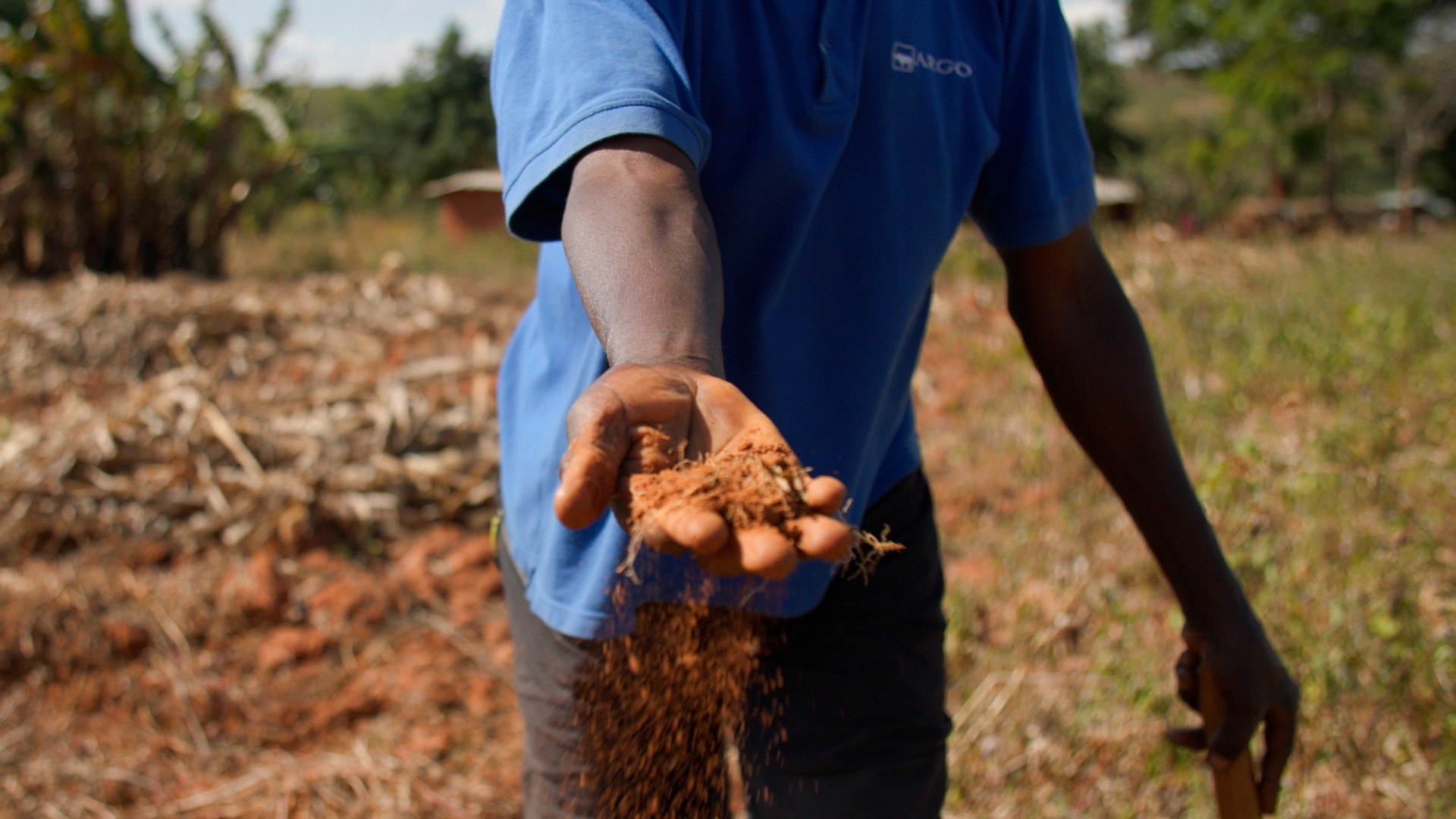
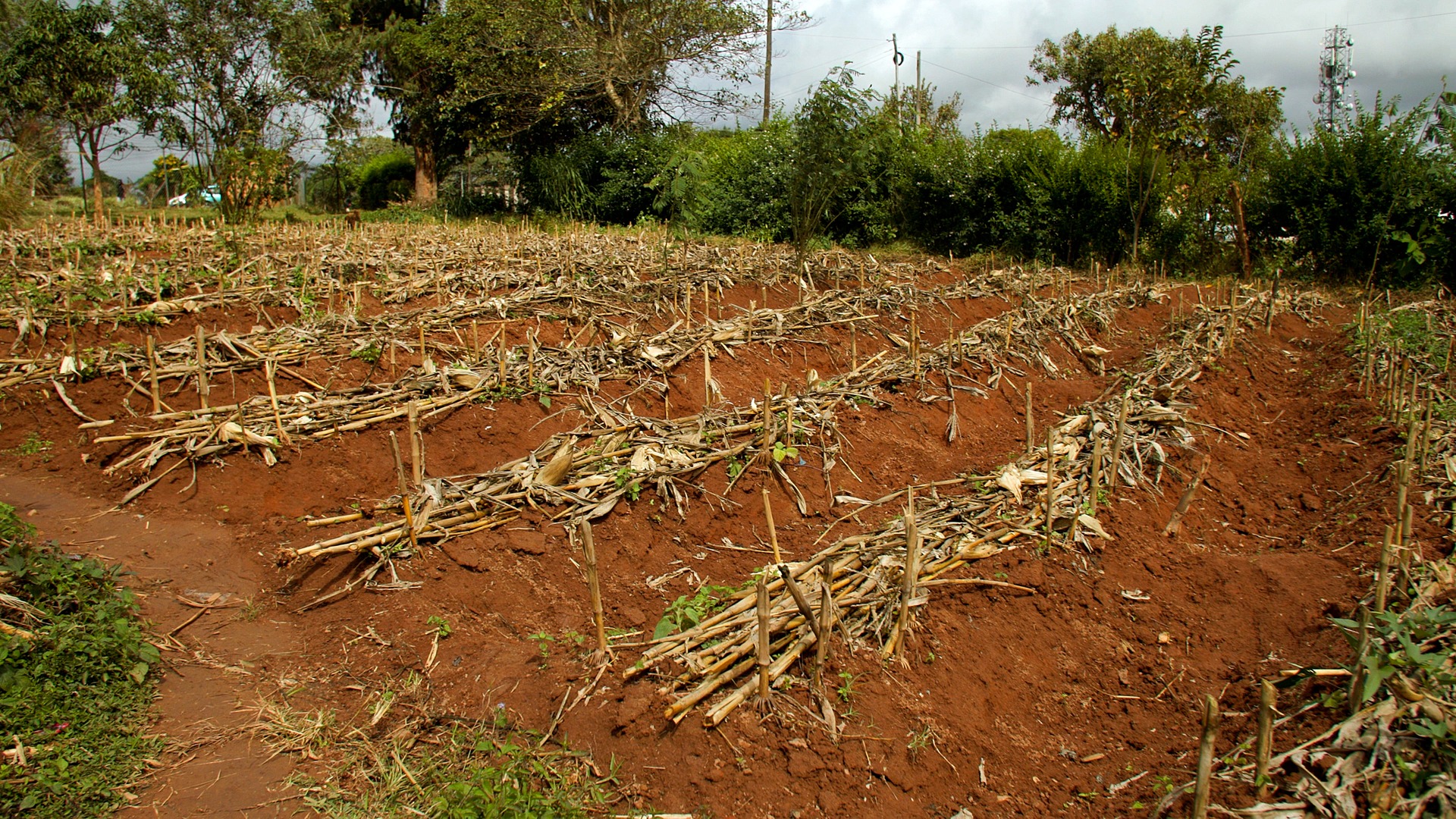
No walking, no digging
When the beds are established, farmers avoid walking on them – preventing soil compaction and reducing the need to break the hardpan every season.
Aftrak takes the back-breaking labour out of deep bed farming
The technique benefits the land and the farmer. It can help to make the ground more drought resistant, reduce erosion and improve soil health when combined with organic composting.
Studies show that it can more than double crop yields – significantly improving food security.
Following government approval of the method, Tiyeni is busy keeping up with demand for deep bed farming training – and Aftrak is supporting the farmers adopting the approach.
How do Loughborough students power Aftrak’s innovation?
Part of Aftrak’s mission is to offer an enriching learning pathway for students, ensuring a pipeline of future innovators equipped to address urgent global problems.
Working with the Wolfson School, the company provides opportunities to develop the skills and knowledge needed to drive pioneering innovation. Within the past year, 25 undergraduate and postgraduate students have taken up the challenge.
Some are developing attachments for the tractor to broaden its applications – including tools to dig irrigation channels and mix cement.
Other projects include refining the tractor’s control system, improving its ability to run uphill, and an environmental life cycle assessment of the system.
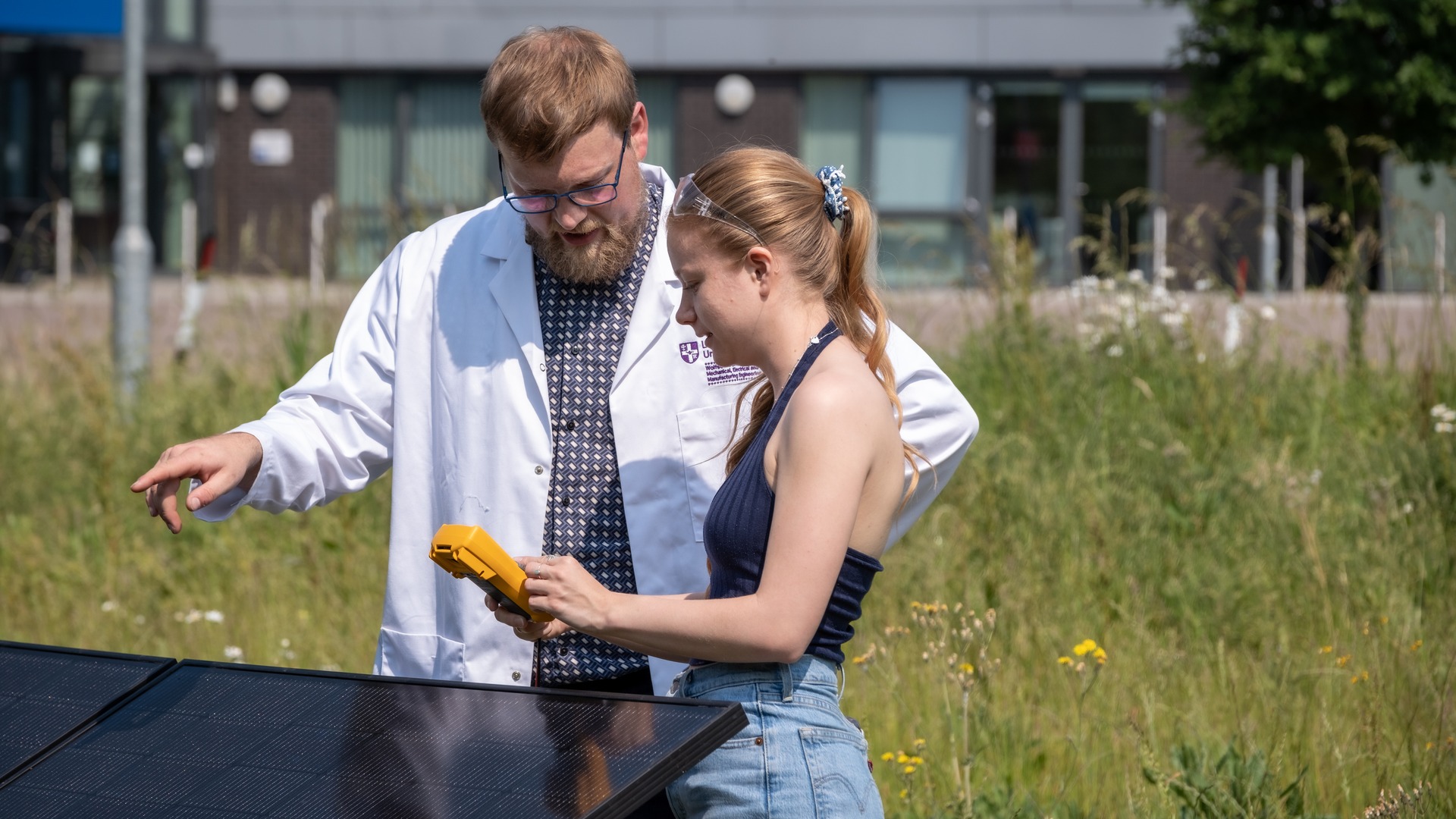
“The University’s longstanding culture of integrating industrial placements and projects into degree programmes creates a win-win situation. Students gain invaluable real-world experience, boosting their professional development. Their contributions to the Aftrak technology accelerate innovation while tackling practical engineering challenges.”
Aftrak Co-Founder
How does Loughborough University support its startup community?
Toby also credits the University’s support for innovation – via its business incubator and spinout programme – as key factors in Aftrak’s growth and success.
He says that the incubator, LUinc., is a supportive start-up community of academic spinouts and graduate entrepreneurs, noting that its members’ diverse expertise and experience is invaluable.
He says, “We’ve learned so much from fellow LUinc. tenants. Without their insight and advice, securing our CE Mark and route to market would have been a major headache.”
Aftrak’s award-winning track record
Aftrak’s capacity to empower lives and enhance livelihoods has been recognised by an impressive array of international awards, accolades and R&D funding.
Innovate UK Energy Catalyst funding supported the project’s early development in 2023
Winner of the $1 million Milken-Motsepe Prize in Green Energy 2024
The Engineer's Collaborate to Innovate Awards 2024 – the Energy & Environment category and the Grand Prix
IET Excellence and Innovation Award 2024 – Power and Energy category winner
African Tech Innovation of the Year Awards 2024 – AgriTech category winner
Nominated for the Earthshot Prize 2025
DRIVE35 Mobilise 2026 – grant funding and business support

“Aftrak has a bright future as it transitions from its research and academic origins to the commercial space. Having experienced a strong user acceptance of our products and agricultural solution, we are excited to see the company and impact scale.”
Lecturer in Systems and Mechanical Engineering


Aftrak
A social venture combining solar microgrids and micro electric tractors to empower farmers worldwide, improve harvests and deliver clean energy.
Visit Aftrak
Find out more about the system, technology, and international partnerships powering rural communities.
Explore Aftrak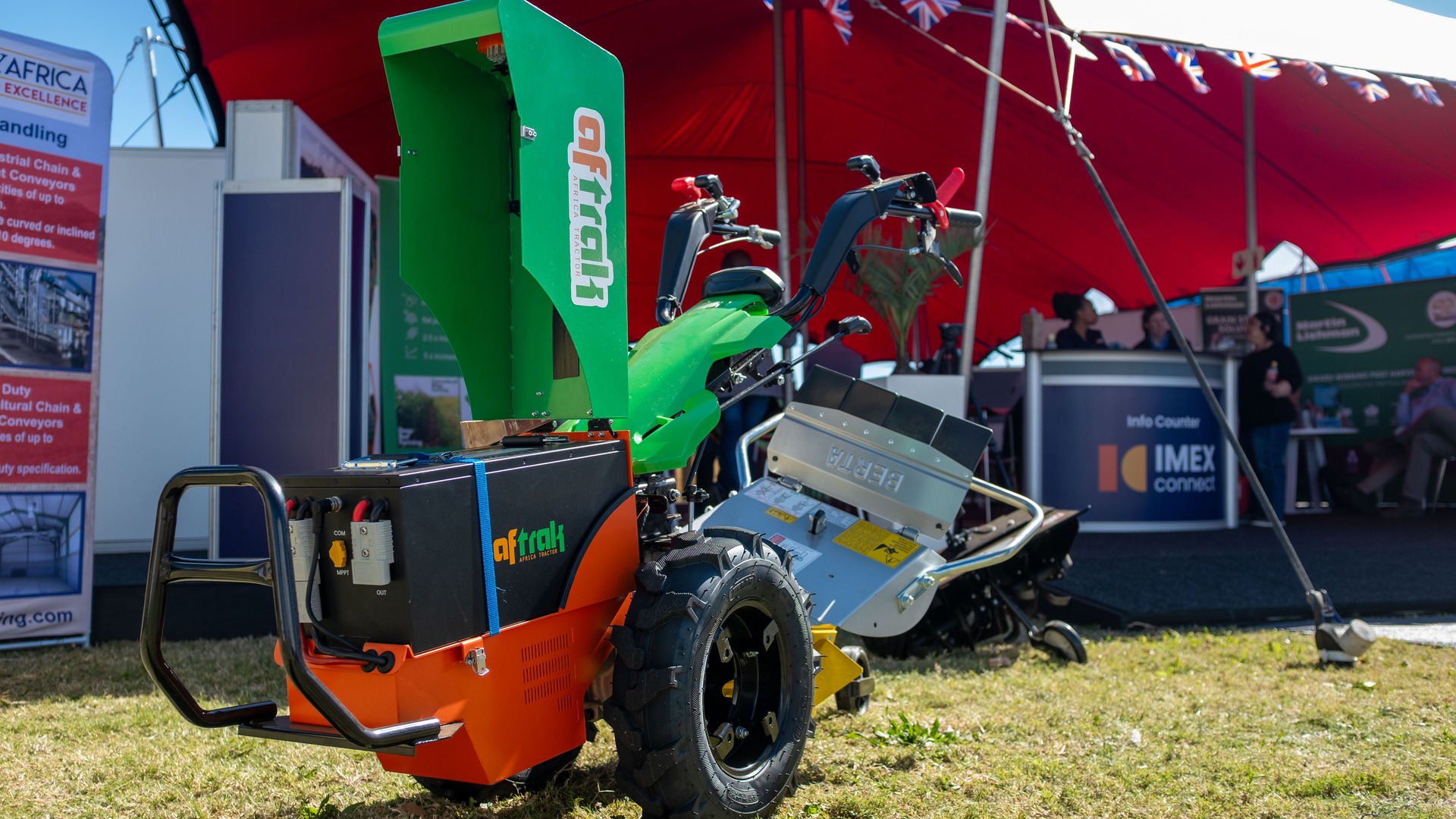
More innovation in action
Explore more pioneering research stories and discover how Loughborough innovation is driving meaningful real-world impact.

We’re accelerating the path to net zero with digital decarb.
Helping organisations reduce the environmental footprint of digital technology.

A student idea saves newborns across the globe.
Born at Loughborough, changing lives worldwide. The award-winning mOm Incubator delivers portable neonatal care in challenging environments.
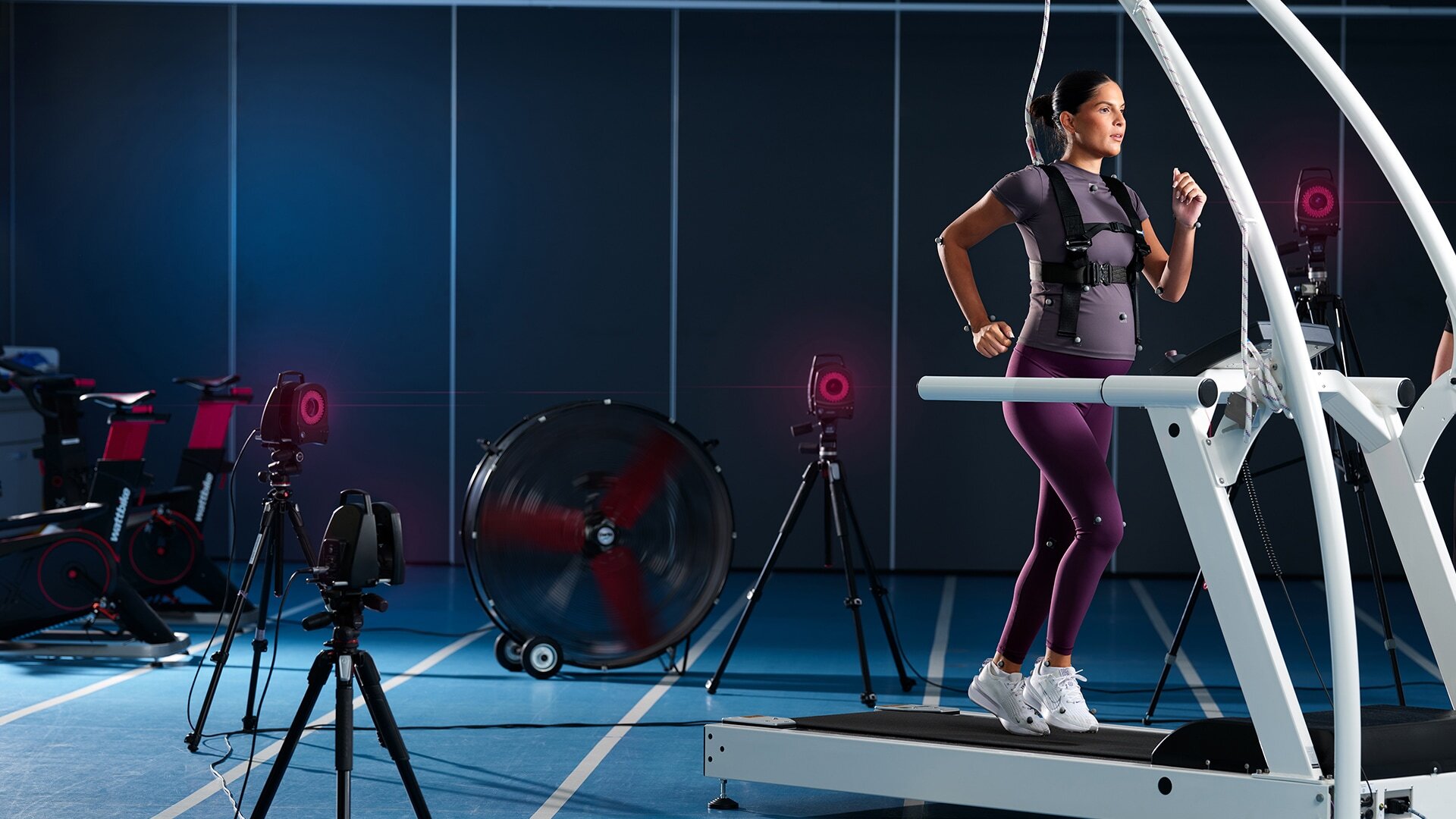
We’re rethinking the science of pregnancy and performance.
Through our Women in Sport Research and Innovation Institute, advancing understanding of exercise during pregnancy, recovery and performance.

We’re protecting the environment and livelihoods.
Working with coastal communities to tackle marine litter and ocean pollution, combining research with local action.