Could the war disruption in Ukraine move micromobility forward?
Stakeholders’ perspective
Mariia Olkhova, Asya Natapov, Olha Plyhun, Taimaz Larimian, Dmytro Roslavtsev
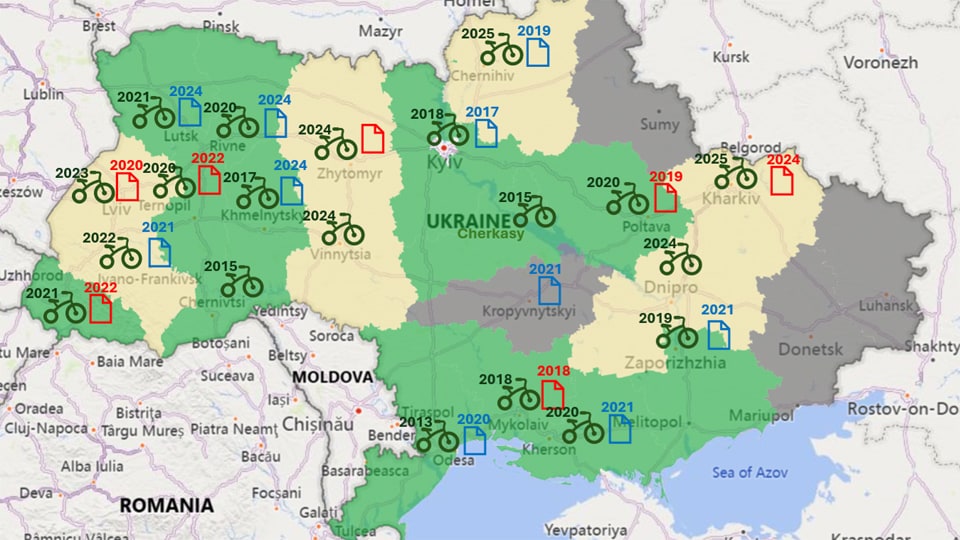
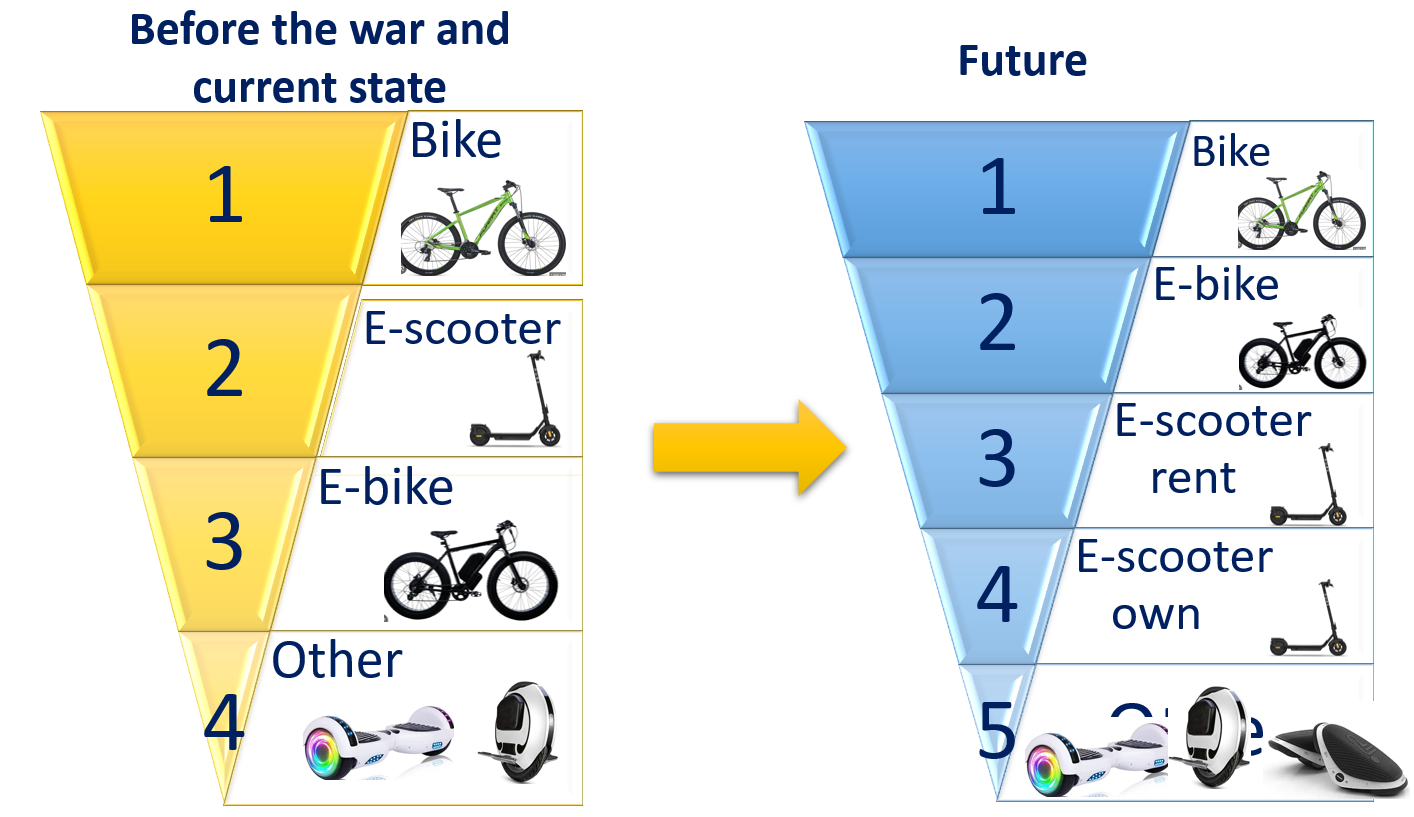
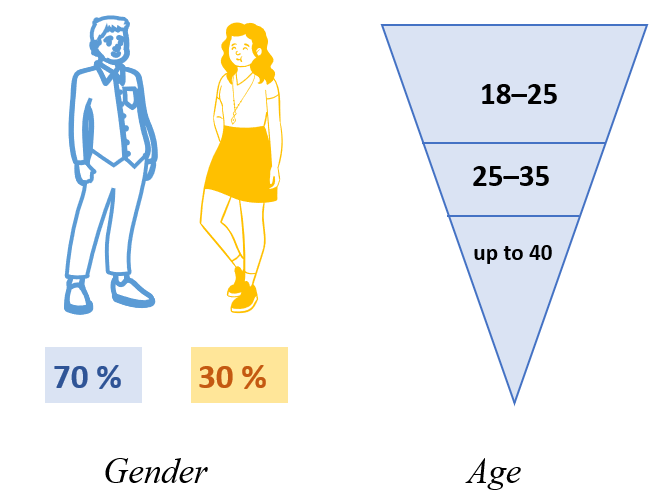
This study explores the potential of micromobility expansion in Ukraine, viewing the war’s disruption as an opportunity to rebuild urban space and transportation systems and to shift focus from post-Soviet planning to more sustainable urban mobility, prioritising cycling and other active modes. It aims to identify the impact indicators of micromobility usage during the ongoing war and to outline the challenges and prospects for micromobility. Employing a qualitative research approach, semi-structured interviews were conducted with micromobility stakeholders across 16 administrative divisions in Ukraine. The findings shed light on the factors that either hinder or support micromobility users, the importance of collaboration among city stakeholders, and the micromobility role during and after the war. The study revealed regional differences in micromobility stakeholders’ cooperation and infrastructure development, positively correlating collaboration strength and micromobility adoption. These insights can inform strategic interventions to promote micromobility in Ukrainian cities, ensuring affordable and accessible mobility solutions while reducing infrastructure costs during wartime and post-war recovery. The research suggests that despite current challenges, there is optimism for increased micromobility adoption in Ukraine, with estimates of 10–30% long-term adoption, potentially rising to 50% by 2050.
Publications and presentations
- Final conference of the joint Ukrainian-British project Solutions for post-war reconstruction of Ukrainian cities
- Micromobility: A Review of Practices and Recommendations for the Post-war Reconstruction of Settlements in Ukraine
- Research England funding enables Loughborough and Ukraine twinning work to continue
- Could the war disruption in Ukraine move micromobility forward? Stakeholders’ perspective
- School Mobility: A Case Study from Pre-War Kharkiv, Ukraine
- Micromobility: review of practices and recommendations for post-war reconstruction of settlements in Ukraine. In Ukrainian: Мікромобільність: огляд практик і рекомендації щодо повоєнної відбудови населених пунктів України: інформ.-аналіт. огляд зі складовими власних досліджень