Spatial morphology and user satisfaction in urban parks
A multi-level analysis of environment-behaviour interactions.
Siwen Wang, Robby Soetanto, Asya Natapov
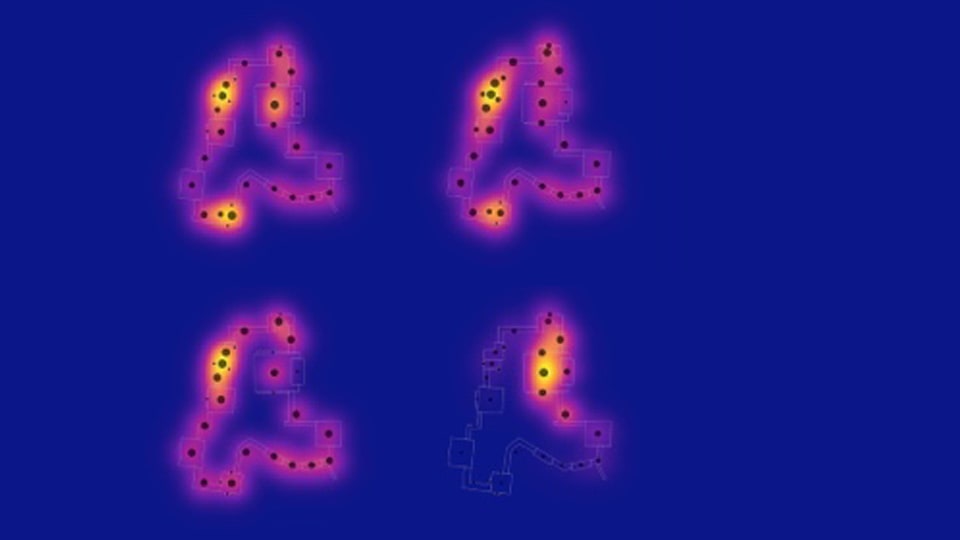
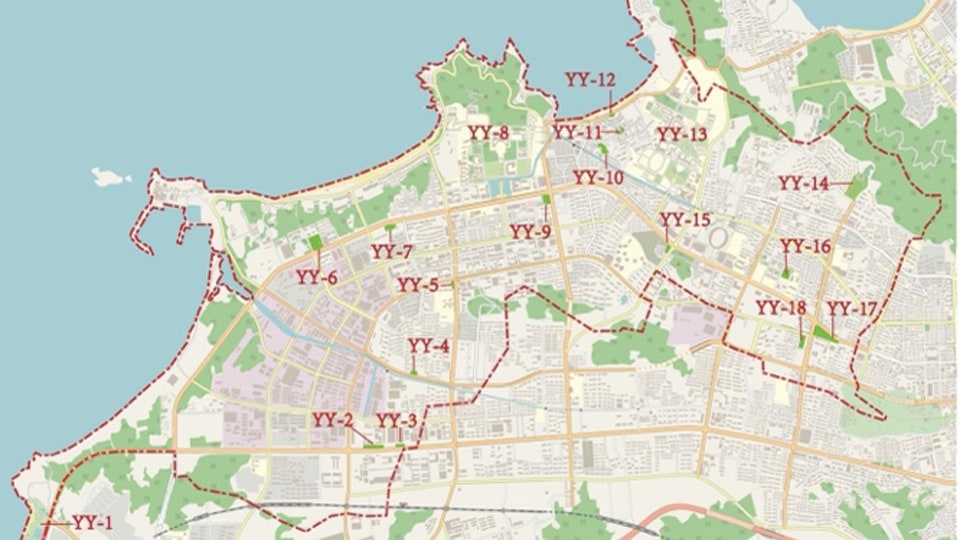
Urban parks are essential public spaces for improving environmental quality and promoting public well-being. However, traditional spatial design approaches have often overlooked users’ diverse needs, while quantitative methods for analysing the spatial forms of parks have been insufficient. In the context of rapid urbanisation and the implementation of “15-minute community life circles” in China, urban parks have become critical infrastructure for improving everyday life. This research proposes the centrality-informed contextual experience framework, which integrates centrality indicators to quantify spatial characteristics and their relationship to user needs. Using the QGIS Python API, the study extract park boundaries and processes spatial data to allows for systematic morphological analysis across multiple park sites. Network analysis techniques are applied to calculate centrality metrics, transforming park spatial structures into quantifiable indicators. The study uses comprehensive questionnaire surveys to collect user satisfaction levels and behavioural patterns, allowing for an empirical investigation of how spatial morphology influences park experiences. Multilevel modelling is conducted to validate the framework and explain the relationship between spatial morphology and user satisfaction. The findings provide valuable insights for urban planners to improve park spatial morphology through a human-centred perspective, providing recommendations for enhancing both spatial efficiency and user experience. This approach contributes to creating urban green spaces that better meet diverse community needs.
Publications and presentations
- Centrality-Informed Contextual Experience (CICE): A conceptual framework for human-centred park spatial analysis.
- Rethinking urban park design: Using centrality metrics to link spatial structure with user experience.
- Quantifying experience and use needs: A human-centred framework for urban park analysis.