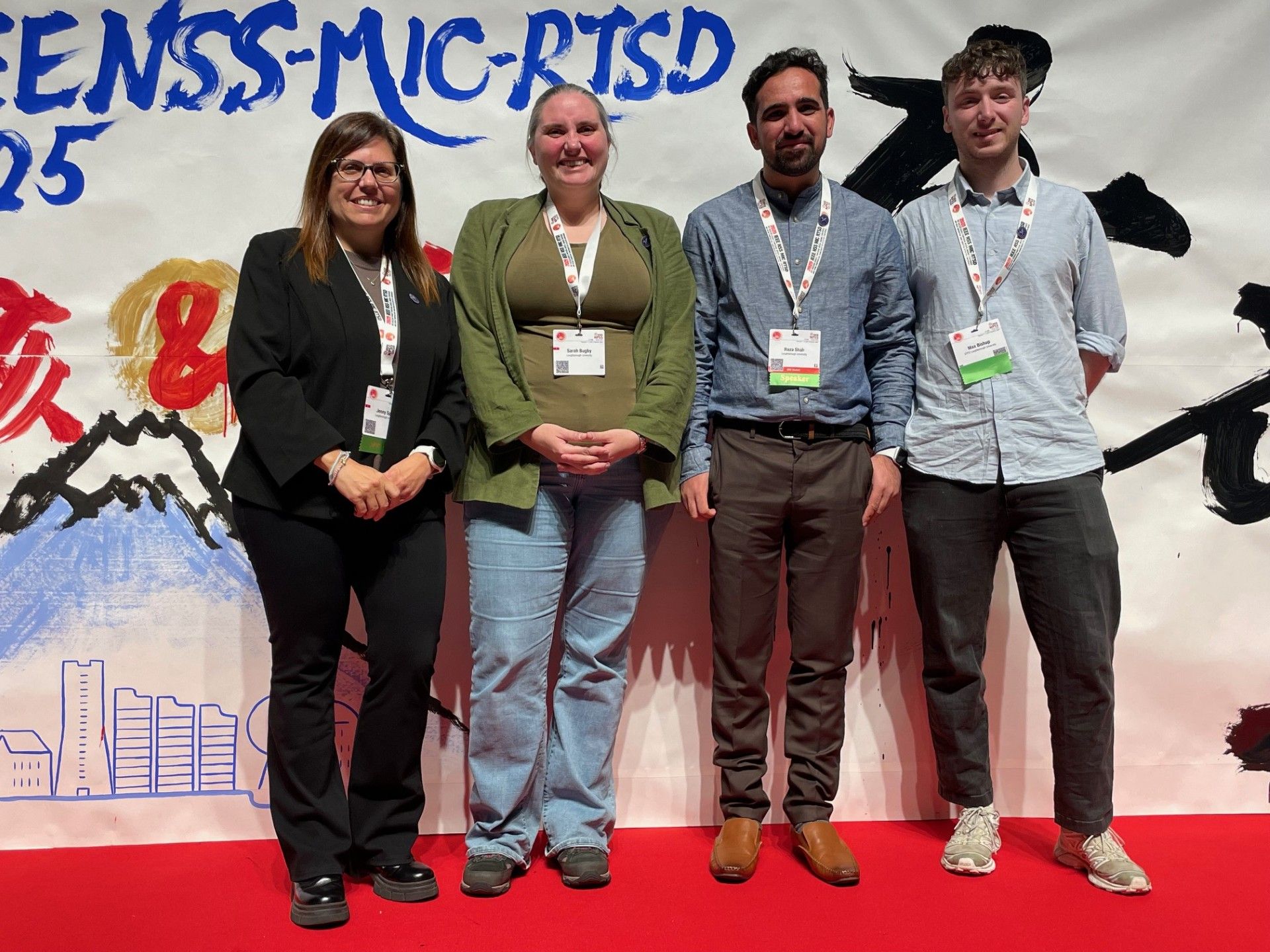
Over an exciting week of science and collaboration, the team showcased their latest research through both oral and poster presentations.
Highlights from Our Presentations
-
Monte Carlo Model of Inverse Compton Scattering Sources for Microbeam Radiation Therapy at ThomX
Presented by Dr Jenny Spiga
In collaboration with ThomX (Orsay), Universities of Ferrara and Milan Bicocca, and University of Warwick, this work introduced the first Geant4-based Monte Carlo framework for simulating inverse Compton scattering X-ray sources for microbeam radiation therapy, including the newly commissioned ThomX source. -
Seracam™: Hybrid Gamma-Optical Video Imaging for Intraoperative Radioguidance
Presented by Dr Sarah Bugby
Working with partners at University of Nottingham, University Malaya, Taylor’s University, and Serac Imaging Systems, this research showcased a new implementation of the Seracam portable gamma-optical camera, enabling real-time hybrid imaging with adjustable parameters for enhanced surgical usability. -
Seracam™: Hybrid Gamma-Optical Video Imaging for Real-Time Extravasation Injury Prevention
Presented by Dr Sarah Bugby
A proof-of-concept study led by Dr Andrew Farmworth (Loughborough) demonstrated the potential of Seracam to reduce failed administrations, avoid unnecessary tissue dose, and improve workflow in nuclear medicine. -
Custom Monte Carlo Model to Simulate the Spectroscopic Performance of CsPbBr₃-Based Perovskite Detectors
Presented by Raza Shah
In collaboration with University of Leicester, this work introduced a custom Monte Carlo simulation model to evaluate CsPbBr₃-based perovskite detectors, validating its accuracy against experimental data and paving the way for next-generation gamma detector optimization. -
Characterisation and Comparison of High and Low-Flux CdZnTe
Presented by Max Bishop
Partnering with STFC, Diamond Light Source, CNR, and Due2Lab, this study compared HF-CdZnTe and LF-CdZnTe detectors, revealing that HF-CdZnTe offers superior hole lifetimes and charge transport properties, improving high-flux performance and reducing polarization under synchrotron irradiation.
A Memorable Experience
Our PhD student Raza shared his thoughts:
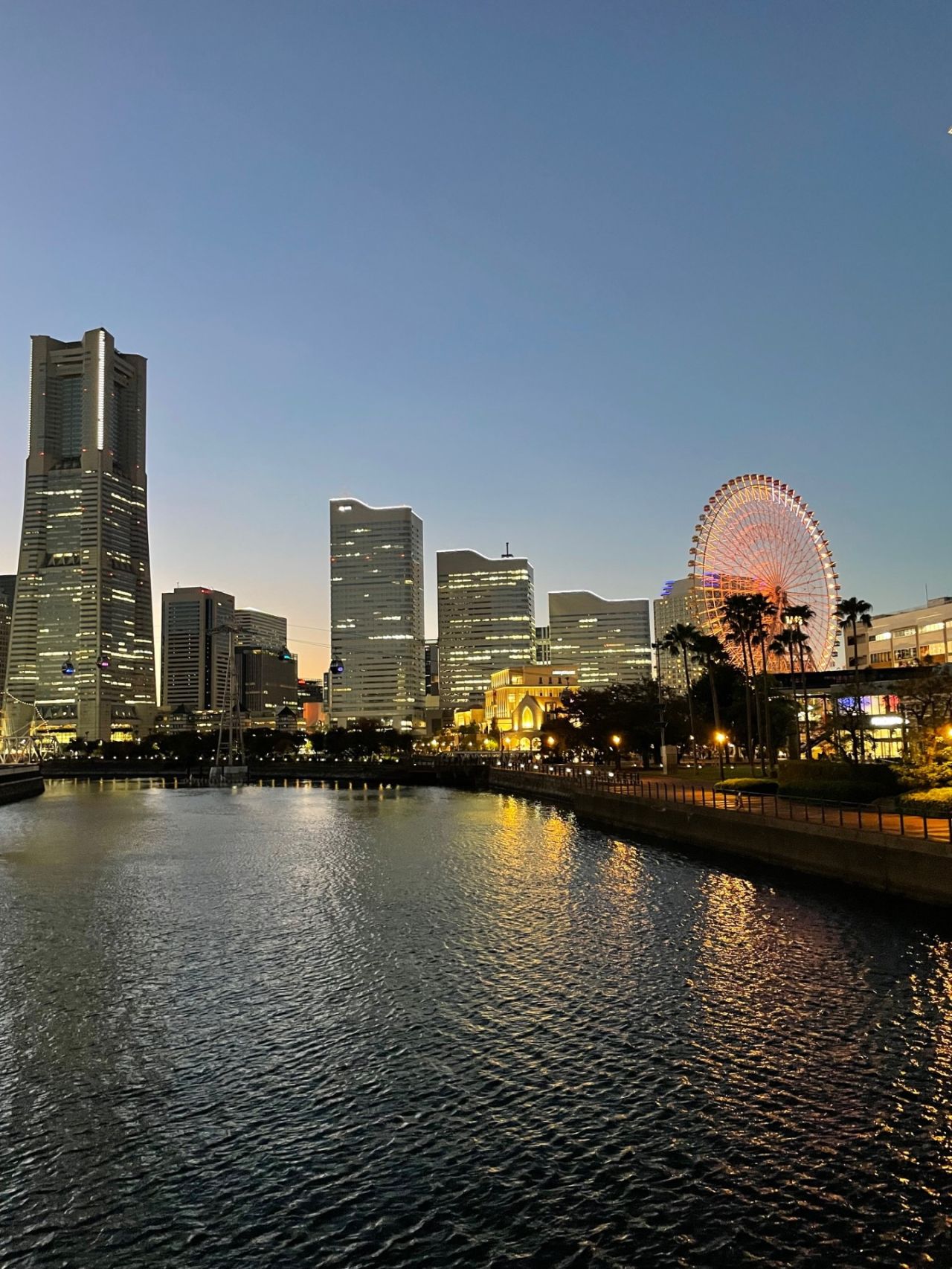
Attending the IEEE NSS–MIC–RTSD 2025 conference in Yokohama was a fantastic experience, especially as it was my first international conference. Presenting my work and receiving feedback from experts was incredibly valuable. Beyond the technical sessions, the social events provided a great chance to connect with the RTSD community. I left feeling inspired, motivated, and full of new ideas for future research.