The study, led by Dr Thomas Stanton at Loughborough University’s Department of Geography and Environment, saw researchers recover textile fibres from a 150-year sediment record from Rudyard Lake in Staffordshire, UK. Lying less than 3 miles from the historic mill town of Leek, once a centre of the country’s textile industry, Rudyard Lake sits downstream of industrial-era manufacturing activity.
The sediment record spanned the period 1876-2022 - from the UK’s second industrial revolution through to the modern era. All fibres recovered between 1876 and 1979 except two were identified as either cotton or wool.
Natural fibres, including cotton and wool, are regularly promoted as sustainable alternatives to plastic, but this research challenges assumptions that natural fibres quickly biodegrade in the environment.
Textile fibre pollution research has focussed overwhelmingly on plastic fibre types, such as polyester and acrylic. This research calls for the pressing need to reconsider whether natural textile fibres are as unharmful as is largely assumed, particularly in pursuit of plastic alternatives for fashion and textiles.
Non-plastic fibre types, such as cotton and wool, are increasingly being recognised as the most prominent fibre type in environmental pollution. However, existing research has often focused on the prevalence and impacts of plastic fibres only, such as polyester and acrylic.
Published in iScience, this new research seeks to understand the extent of pollution caused by natural textile fibres - fibres that are no longer in their raw, unprocessed state - and their impact on the environment.
This is believed to be the first study to explore the preservation of natural textile fibres in aquatic sediments in the contexts of environmental pollution, technofossil research, or sustainable fashion. But, the academics explain, this preservation does not guarantee natural fibres cause harm.
The partial degradation of natural fibres has the potential to accelerate the leaking of any harmful chemicals associated with natural textile fibres into the environment. Pollutants may also stick to the surface of natural fibres, concentrating on their surfaces.
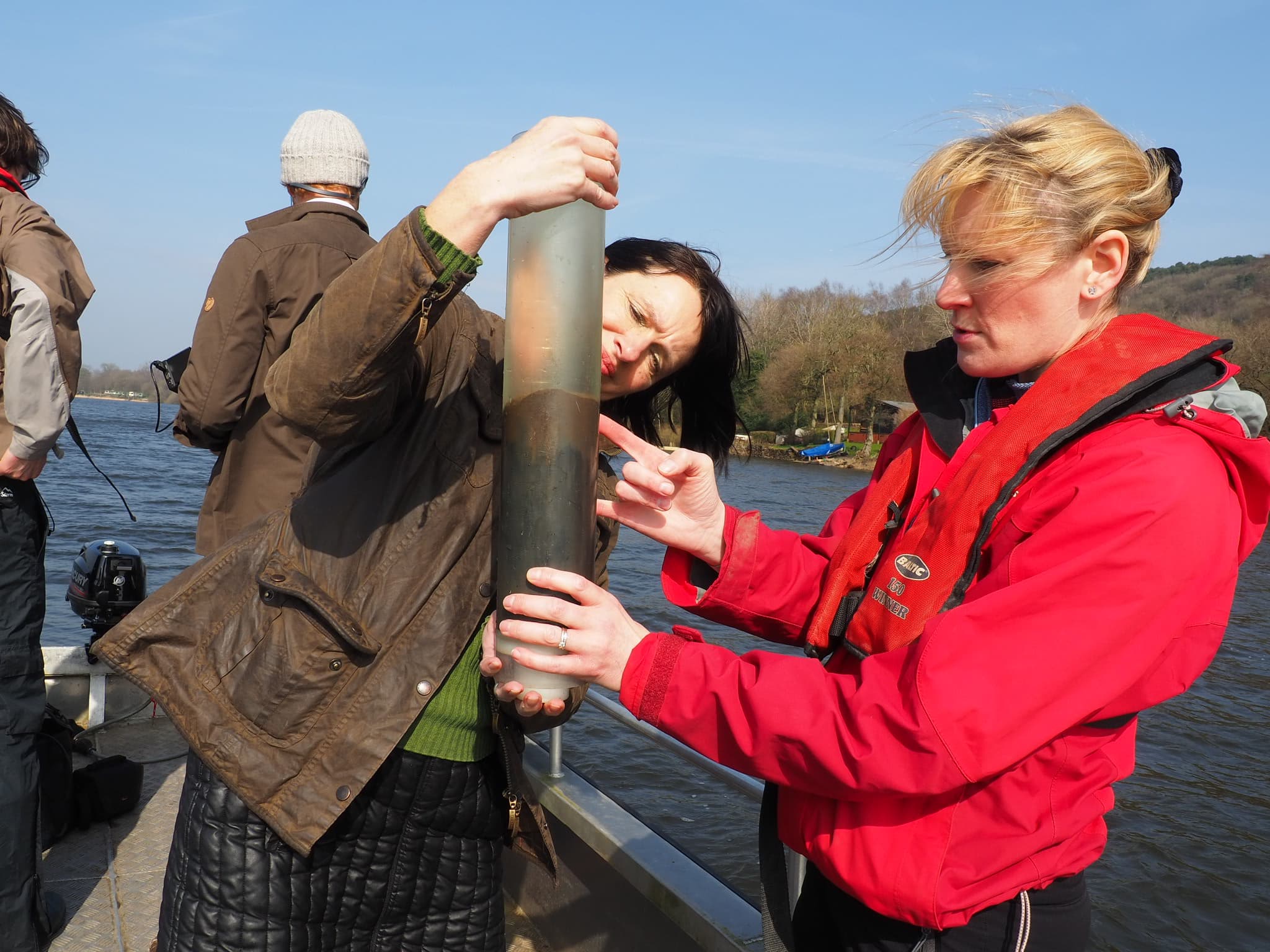
In this study, academics led by Loughborough University expertise and supported by Keele University academics, used a lead dated core recovered from Rudyard Lake, Staffordshire, located downstream from a historic centre of UK textile manufacture.
Records of textile manufacturing upstream of Rudyard Lake span approximately 300 years (c.1650s-1970s), but using their age model, this study’s sediment core from Rudyard Lake was dated from the late 19th century (c. 1876) to present.
When examined by forensic fibre analysts, this core confirmed the presence of natural textile fibres, as well as plastic fibres, throughout its 150-year history.
Textile fibres of five types - cotton, wool, polyester, acrylic, nylon - were isolated from Rudyard Lake’s sediment.
Cotton was the most common fibre type accounting for 70% of fibres recovered and was dominant throughout the core’s depth.
The findings have important implications for sustainability strategies that promote natural fibres as a straightforward solution to plastic pollution.
Dr Thomas Stanton, a lecturer in Geography at Loughborough University, said of the findings: “This research builds on the mounting evidence that natural textile fibres consistently outnumber plastic fibres in the environment, and must be considered equally in efforts to understand the environmental impacts of the fashion and textiles industry. Crucially, this work highlights that the integration of knowledge held outside the environmental sciences will greatly enhance these efforts.
“There is an urgent need to rethink assumptions about what ‘green’ and ‘sustainable’ materials really mean.
“Reducing plastic fibre production and consumption is important but replacing them with natural fibres without fully understanding the environmental behaviour and harm of all fibre types risks creating new problems rather than solving existing ones.”
The researchers call for an urgent response from environmental pollution researchers to incorporate natural textile fibres into research that attempts to assess the environmental harms associated with textile fibres – of which natural textile fibres constitute the bulk.
Deirdre McKay, Professor of Sustainable Development from Keele University who worked on the study, said: “What’s been missing is an understanding of how long these non-plastic fibres actually persist,” said Professor McKay. “Our study provides rare historical context, showing that natural fibres have been accumulating in the environment since the early days of industrial textile production.”
They hope this will then be used to inform future material use, marketing and governance within the fashion and textiles industry, particularly as governments, brands and consumers push for more sustainable fashion choices.
This work is the final publication from Dr Stanton’s AXA Research Fund Fellowship, exploring the environmental footprint of non-plastic textile fibres, including their pathways to the environment from non-electrified laundry; their movement through rivers; and their lack of focus in particulate pollution and sustainable materials research.