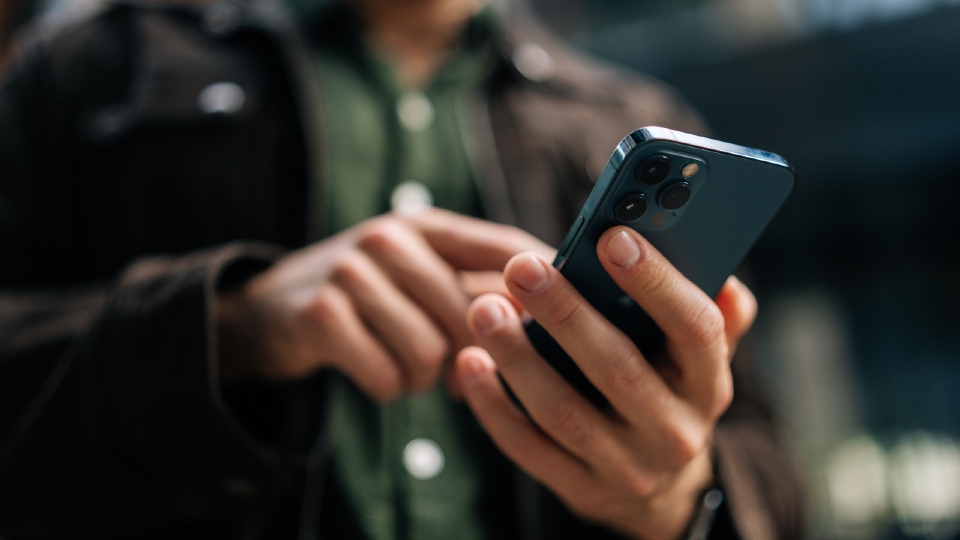
Apple introduced Liquid Glass in June 2025 in a self-declared attempt to bring “joy and delight to every user experience”. The visual design style – which is being applied to all Apple products from iPhone to watch to TV – is named for the company’s new type of screen designed to look like translucent liquid.
Standing out by design has been paramount for Apple ever since Steve Jobs co-founded the company half a century ago. He was quick to kill off every uninspired idea, declaring: “Deciding what not to do is as important as deciding what to do.”
Jobs’ leadership style could verge on the tyrannical, yet his approach was essential to Apple’s enduring success, which, more than 14 years after his death, still ranks as the world’s most valuable brand.
To Jobs, the twin importance of design aesthetics and user experience (UX) was non-negotiable – both must be perfect for the public to see the product. But the recent history of Liquid Glass – introduced under Jobs’ successor as CEO, Tim Cook – suggests Apple may now be losing that ethos.
Upon Liquid Glass’s official release last September, many customers criticised the design of Apple’s new operating system (known as OS 26). Social media was inundated with complaints about its slow or nonsensical animations, distracting colour shifts, excessive interactions, cartoonish or blurry icons, poor contrast, inconsistent highlighting, and battery-hungry effects that were too subtle to be worth the bother.
A review by the UX consultancy NN/g was equivocal at best: “At first glance, the system looks fluid and modern. But try to use it, and soon those shimmering surfaces and animated controls start to get in the way.”
Wired magazine called the new system “awful”, concluding: “People don’t enjoy forking over data and dollars in exchange for annoyance.”
With OS 26 and Liquid Glass, Apple opted to throw away many of the interactions that its users had spent years ingraining into their motor functions. Poor usability feels unforgivable for a company built on Jobs’ mantra: “It works like magic.” Evidently, it didn’t.
Apple’s difficult 2025 culminated in the sudden departure of its vice-president of human interface design, Alan Dye, to big tech rival Meta in December.
While this was primarily seen as a coup for Meta, some speculated that Dye’s departure might have been partly due to Liquid Glass’s underwhelming reception. When the news broke, Cook stressed that Apple “prioritises design and has a strong team”.
Where did Apple go wrong?
As a senior lecturer in UX design, I have devoted much of my professional life to understanding how and why digital interactions shape the way we live and our consumer behaviour. Small interactions matter.
Continues…

Read the full article by Dr Parker on the Conversation website.