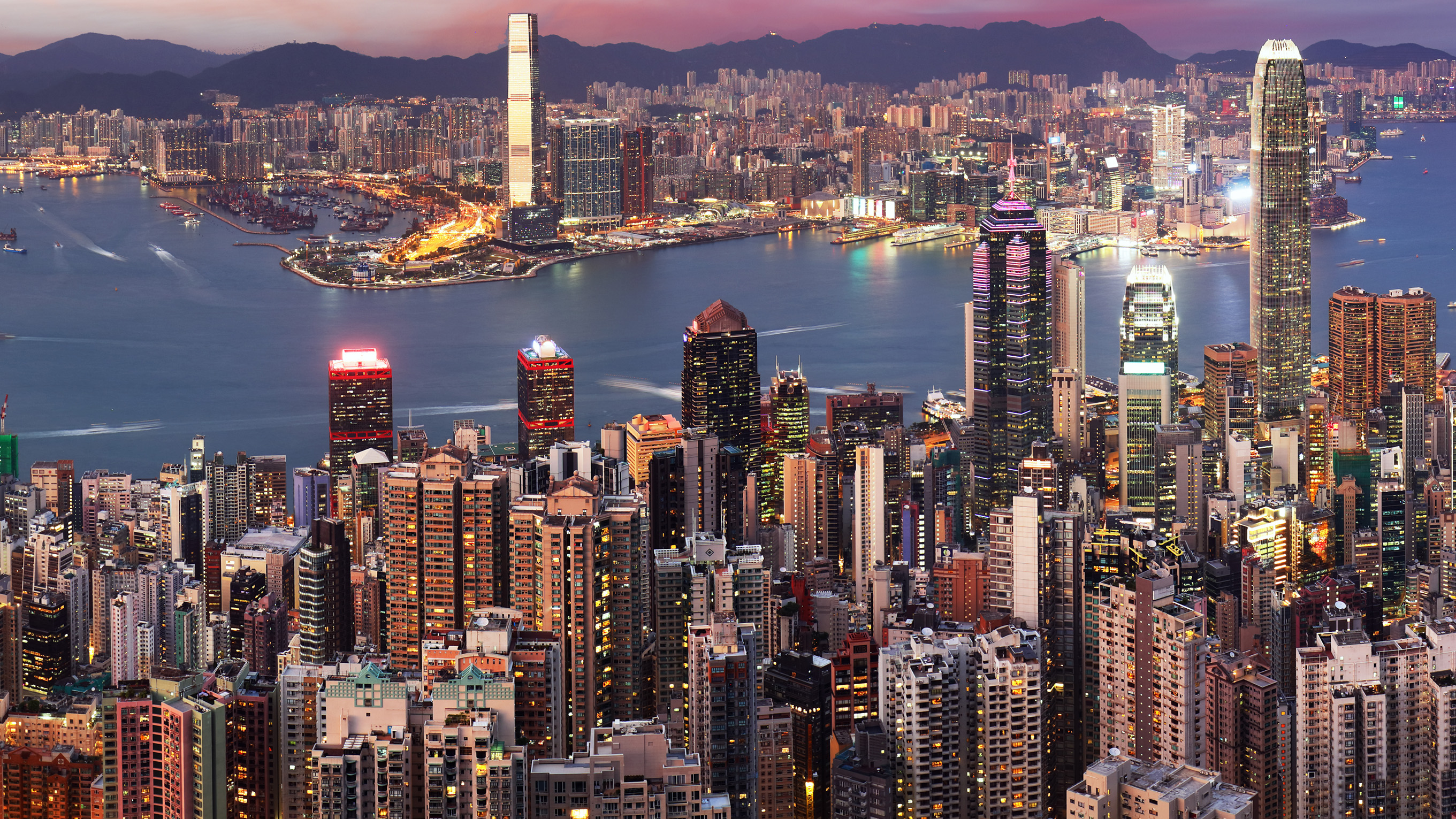
When structural engineers design a building, they aren’t just stacking floors; they are calculating how to win a complex battle against nature. Every building is built to withstand a specific “budget” of environmental stress – the weight of record snowfalls, the push of powerful winds and the expansion caused by summer heat.
To do this, engineers use hazard maps and safety codes. These are essentially rulebooks based on decades of historical weather data. They include safety margins to ensure that even if a small part of a building fails, the entire structure won’t come crashing down like a house of cards.
The problem is that these rulebooks are becoming obsolete. Most of our iconic high-rises were built in the 1970s and 80s – a world that was cooler, with more predictable tides and less violent storms. Today, that world no longer exists.
Climate change acts as a threat multiplier, making the consequences of environmental stress on buildings much worse. It rarely knocks a building down on its own. Instead, it finds the tiny cracks, rusting support beams and ageing foundations and pushes them toward a breaking point. It raises the intensity of every load and strain a building must weather.
To understand the challenge, I have been studying global hotspots where the environment is winning the battle against engineering.
The 2021 collapse of Champlain Towers South in Miami, Florida, killed 98 people. While the 12-storey building had original design issues, decades of rising sea levels and salty coastal air acted as a catalyst, allowing saltwater to seep into the basement and garage.
When salt reaches the steel rods inside concrete that provide structural strength (known as reinforcement), the metal rusts and expands. This creates massive internal pressure that cracks the concrete from the inside out — a process engineers call spalling. The lesson is clear: in a warming world, coastal basements are becoming corrosion chambers where minor maintenance gaps can escalate into catastrophic structural failure.
While the Miami case affected a single building, the historic coastal city of Alexandria, Egypt, is more widely at risk. Recent research shows that building collapses there have jumped from one per year to nearly 40 per year in the past few years.
Not only is the sea rising, the salt is liquefying the soft ground beneath the city foundations. As the water table rises, saltwater is pushed under the city, raising the groundwater level. This salty water doesn’t just rust the foundations of buildings; it changes the chemical and physical structure of soil. As a result, there are currently 7,000 buildings in Alexandria at high risk of collapse.
Continues . . .
